



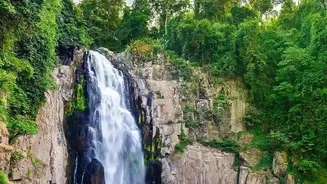
Thoseghar Falls: The Towering Giant
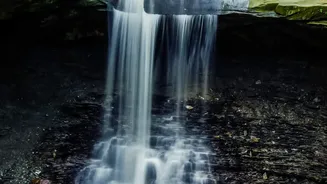
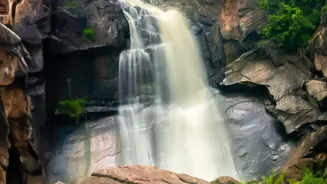
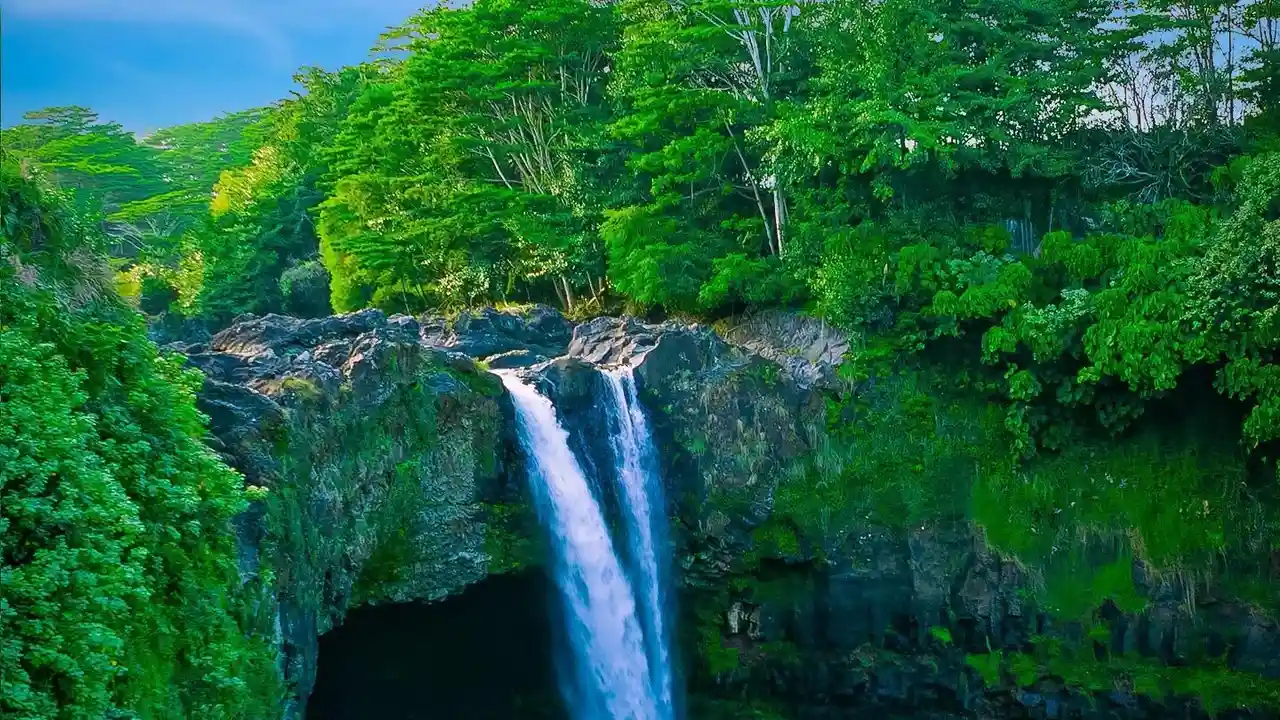
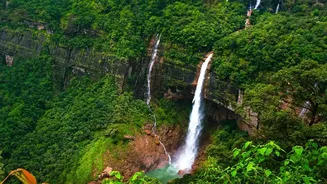
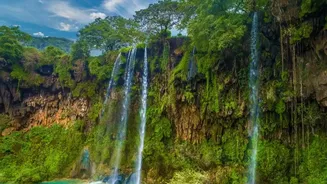
Located near Satara, Thoseghar is not just one waterfall but a series of them, creating a truly spectacular sight. The main attraction is a cascade that plunges from a height of nearly 200 meters, making it one of the tallest in India. During the peak
monsoon months of July to November, the volume of water is immense, and the sound is deafening. For safety, visitors are not allowed to enter the water, but a well-constructed viewing platform provides a fantastic vantage point for soaking in the majestic view and taking photographs. The drive to Thoseghar itself is scenic, winding through lush hills. The area is also popular with birdwatchers.
Randha Falls: The Power of the Pravara River
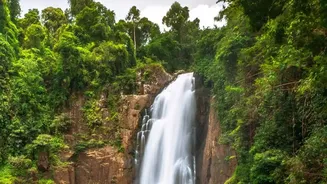
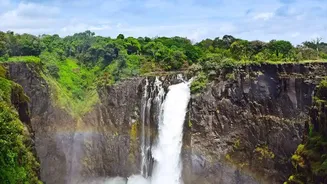
Near Bhandardara, the Pravara River takes a dramatic 170-foot leap into a gorge, creating the magnificent Randha Falls. Considered the third largest waterfall in Maharashtra, it is a major source of hydropower for the region. The sheer volume and force of the water during the monsoon season are awe-inspiring. Visitors can explore several viewpoints around the rocky ledges to get different perspectives of the cascade. While the facilities are basic, the raw, untamed beauty of Randha Falls makes it a must-visit for nature lovers. It is a popular spot for a day trip from both Mumbai and Pune.
Vihigaon Waterfall: The Adventurer's Delight
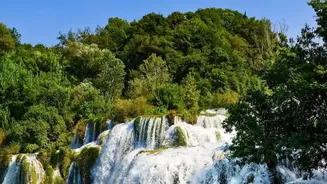
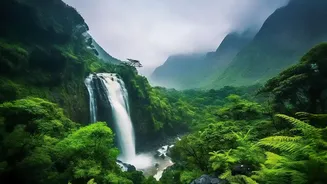
Tucked away in a dense forest near Igatpuri, Vihigaon Waterfall, also known as Ashoka Waterfall, is a popular destination for thrill-seekers. Cascading from a height of about 120 feet into a pristine pool, it is an ideal spot for waterfall rappelling. The trek to the falls itself is a small adventure, leading through a verdant, hilly landscape. Its accessibility from both Mumbai and Nashik makes it a favoured weekend getaway. Due to its stunning natural setting, it has even been featured in Bollywood films. For those not inclined towards adventure sports, simply enjoying the misty spray and the powerful sight of the falls is a rewarding experience.
Naneghat Reverse Waterfall: A Natural Marvel
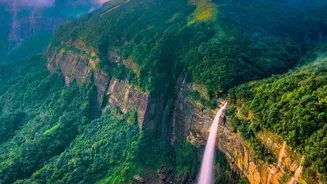
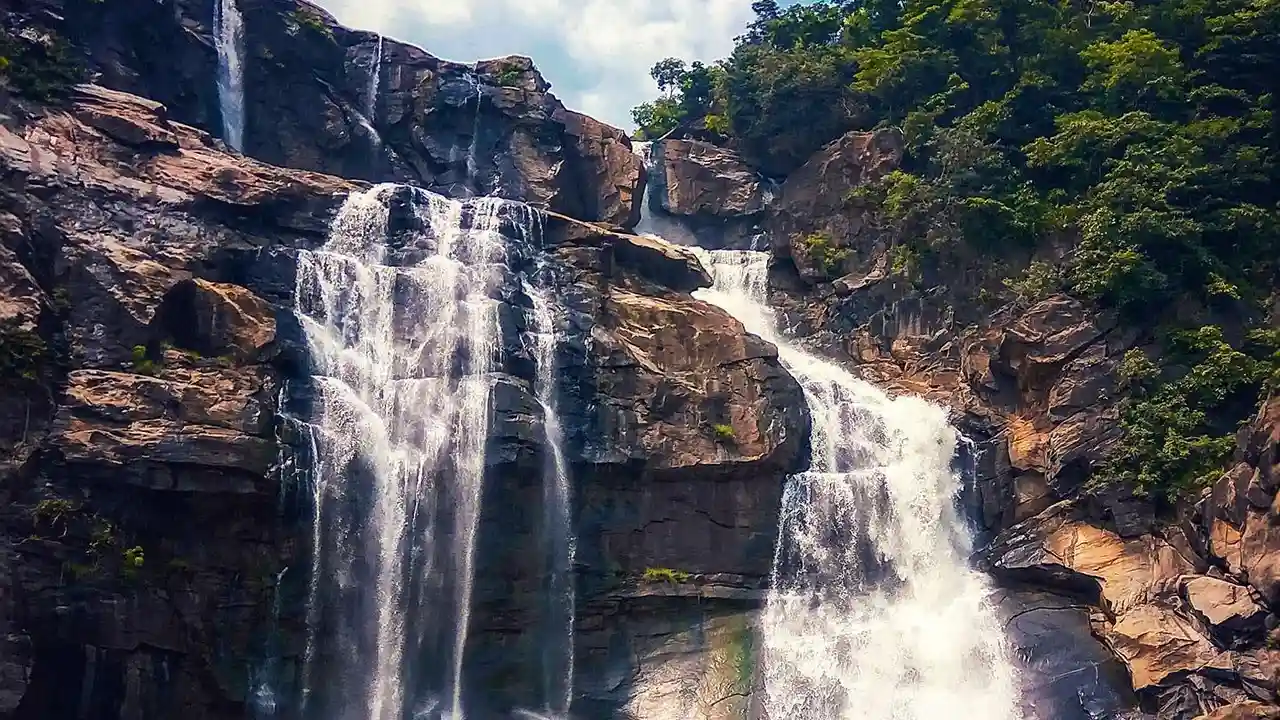
The Naneghat Reverse Waterfall offers a unique and almost surreal experience. Located on a historic trade route in the Western Ghats, this isn't a traditional waterfall. During the peak monsoon, strong westerly winds blowing up the cliff face are so powerful that they push the cascading water upwards, creating the illusion of it flowing in reverse. The phenomenon is most reliable between July and September on windy days. The trek to the viewpoint is considered easy to moderate and is popular with families and first-time trekkers. Beyond the waterfall, the area is rich in history, with ancient caves and inscriptions dating back to the Satavahana dynasty.
Safety First: Your Monsoon Checklist
While the allure of monsoon waterfalls is strong, safety should always be the top priority. Water levels can rise unexpectedly, and rocks become extremely slippery. Always check the weather forecast before you leave. If heavy rain is predicted, it's best to postpone your trip. Wear sturdy, non-slip footwear and stick to marked paths and official viewing areas. Never cross safety barriers or attempt to get too close to the edge of a strong current. It's also wise to carry a basic first-aid kit, waterproof bags for your electronics, and enough drinking water. Avoid visiting alone and always let someone know your travel plans. Heeding local advice and warning signs is crucial for a safe and enjoyable trip.