



The Problem with Sweat
When you train hard, especially in hot and humid conditions, your body sweats to cool itself down. This is a vital thermoregulation process. But sweat isn't just water; it’s also packed with electrolytes, and the most abundant one you lose is sodium.
Sodium is crucial for maintaining fluid balance, nerve function, and muscle contractions. Losing too much of it without adequate replacement can lead to dehydration, muscle cramps, and a significant drop in performance. In extreme cases, it can result in a dangerous condition called hyponatremia, where blood sodium levels become dangerously low. The challenge for athletes has always been that sweat rate and sodium loss are highly individual. Factors like genetics, fitness level, and acclimatisation to heat all play a role, making generic hydration advice a shot in the dark.
From Guesswork to Real-Time Data
For years, athletes had to rely on lab-based sweat tests or simply observing the white, salty stains on their gear to guess their sodium needs. This is where new wearable sweat sensors are creating a paradigm shift. These small, non-invasive devices, often worn on the arm, are designed to analyse your sweat as you produce it. Using technologies like microfluidics and advanced biosensors, they can measure not just your total sweat volume but also the concentration of electrolytes like sodium in real-time. This data is then typically sent to a smartphone app or a compatible sports watch, giving you live feedback during your workout. Imagine getting a notification mid-run telling you exactly how much fluid and sodium you need to replace, turning hydration from a guessing game into a precise science.
How Do They Work?
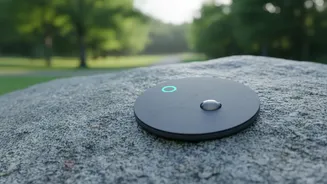
Most of these sensors consist of a reusable electronic pod that clips onto a single-use adhesive patch. The patch contains tiny channels (microfluidics) that collect a small amount of sweat. As sweat flows through, the electronic sensor analyses its composition. Some devices, like the Nix Hydration Biosensor and the Gatorade Gx Sweat Patch, use this method to provide insights into fluid and sodium loss. The sensor measures key metrics and, via a connected app, translates them into actionable advice, like how much to drink and what kind of electrolyte mix is best for you. This allows for a hydration strategy that is truly personalized to your body and the specific conditions of your workout.
Why Humidity Is a Game Changer
Training in high humidity poses a unique challenge. Sweat doesn't evaporate as efficiently from your skin, so your body's primary cooling mechanism is less effective. This often leads to higher sweat rates as your body works harder to cool down, increasing both fluid and electrolyte losses. For athletes in many parts of India, this is a year-round reality. Having access to real-time data on sodium loss in these specific conditions is invaluable. It allows for immediate adjustments, helping to prevent the performance decline and cramping that can occur when electrolyte balance is off. This technology empowers athletes to create tailored hydration plans that account for environmental factors, which was previously difficult to do with accuracy.
The Future of Personalized Fitness
While this technology is still evolving, with some reviews noting room for improvement in accuracy compared to gold-standard lab methods, it represents a huge leap forward. It’s part of a broader trend toward hyper-personalized health and fitness monitoring. The ability to track molecular-level data non-invasively was once the domain of elite sports science labs. Now, it’s becoming accessible to serious recreational athletes. Beyond sodium, researchers are developing sensors that can track other biomarkers in sweat, such as glucose and lactate, opening the door to even more detailed physiological insights. As these devices become more accurate and affordable, they could fundamentally change how we approach training, nutrition, and hydration.