



Not Actually Acne
Despite its name, fungal acne isn't acne in the traditional sense. Its medical name is Malassezia folliculitis or Pityrosporum folliculitis. [11, 13] Unlike regular acne (acne vulgaris), which is caused by bacteria clogging pores, fungal acne is an infection
of the hair follicle caused by an overgrowth of a yeast called Malassezia. [5, 7] This yeast naturally lives on everyone's skin, but certain conditions can cause it to multiply, leading to inflammation and pimple-like bumps. [2, 5]
How to Spot the Difference
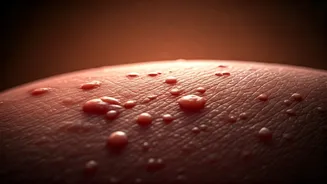
So, how can you tell if you're dealing with fungal acne or its bacterial cousin? The biggest clues are in the appearance and sensation. Fungal acne typically appears as small, uniform, 1-2mm bumps that are often clustered together. [4, 7] These bumps are frequently very itchy, a symptom not usually associated with bacterial acne. [4, 5] While bacterial acne can present with a mix of blackheads, whiteheads, and painful cysts of various sizes, fungal acne lesions are monomorphic, meaning they all look the same. [7, 10] It commonly pops up on the chest, back, shoulders, and forehead, especially in hot, humid conditions or after sweating. [1, 2, 5]
Why Your Acne Products Don't Work
Using standard anti-acne products can often make fungal acne worse. [7, 20] This is because many antibacterial treatments, including oral antibiotics, can disrupt the skin's natural microbiome, killing off the good bacteria that help keep the Malassezia yeast in check. [8, 9] Furthermore, many skincare products—even those for acne—contain ingredients that the yeast feeds on. [6] Thick creams, certain oils, fatty acids, and esters found in many moisturizers and sunscreens can create an ideal environment for the yeast to thrive, fueling the very problem you're trying to solve. [1, 12, 14]
The Right Ingredients to Fight the Fungus
Treating fungal acne requires switching your focus from antibacterial to antifungal ingredients. The most effective and accessible options are often found in anti-dandruff shampoos, which can be used as a face or body wash on the affected areas. [2, 21] Look for products containing active ingredients like Ketoconazole, Selenium Sulfide, or Pyrithione Zinc. [11, 21] These agents help reduce the yeast population on the skin. [8] For more persistent cases, a dermatologist may prescribe stronger topical or oral antifungal medications like Itraconazole or Fluconazole. [10, 11]
Building a Fungal-Safe Routine
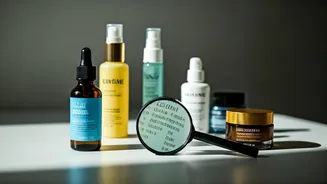
A successful routine is as much about what you avoid as what you use. The golden rule is to eliminate ingredients that feed Malassezia yeast. Scrutinize labels and steer clear of most oils (especially olive and coconut oil), fatty acids (like lauric, palmitic, and oleic acid), esters (ingredients often ending in '-ate'), and polysorbates. [12, 14, 16] Instead, opt for lightweight, oil-free, water-based products. [6] Safe hydrators include ingredients like squalane (not to be confused with squalene), glycerin, and hyaluronic acid. [20] A simple routine of a gentle, fungal-safe cleanser, a lightweight hydrator, and a non-comedogenic sunscreen is often best. [15]
Lifestyle Changes That Make a Difference
Since Malassezia yeast flourishes in warm, moist environments, certain habits can help keep it under control. [2] Showering immediately after exercising or sweating is crucial to prevent yeast from multiplying. [18, 21] Wearing loose, breathable clothing can also help reduce the buildup of heat and moisture against the skin. [8] Additionally, washing pillowcases and towels frequently can help prevent reinfection. [18] While more research is needed, some people find that reducing sugar and fermented foods in their diet can also be beneficial.