

From Destination-First to Experience-First
There’s a fundamental shift happening in how Indian travellers map out their leisure time. For a long time, the process was straightforward: choose a destination, book flights and hotels, and then maybe look up things to do. Now, that journey is happening in reverse.
A growing number of people are starting with the experience they want and then building a trip around it. Recent reports show this is not a niche trend; a significant majority of Indian travellers are now planning trips around cultural experiences like heritage, festivals, and food. This move from passive sightseeing to active participation marks the rise of the ‘experiential traveller’—someone who seeks to immerse themselves in local traditions and communities.
The Festival as a Travel Magnet
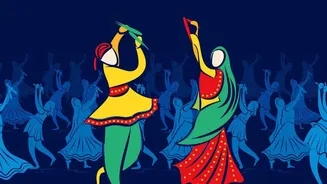
Music, arts, and cultural festivals have become powerful drivers for travel, especially among younger Indians. Events like the Ziro Festival of Music in Arunachal Pradesh and the Hornbill Festival in Nagaland are no longer just local celebrations; they are national tourism events. Ziro, set against the stunning backdrop of the Apatani tribe's homeland, draws thousands for its lineup of independent music and eco-conscious ethos. Similarly, the Hornbill Festival, known as the 'Festival of Festivals', has seen its attendance grow almost eightfold in a decade and a half, attracting a diverse mix of domestic and international visitors who come to witness the rich tapestry of Naga tribal traditions. According to one report, one in three Gen Z travellers now prefers a music festival trip over a conventional holiday. It’s not just about the music; it's about the entire journey and the community experience.
A Journey for the Taste Buds
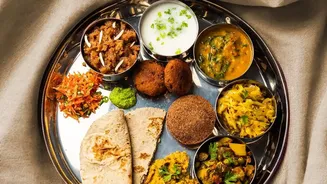
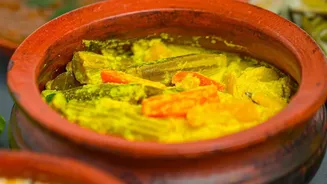
Food has become a primary motivator for travel, evolving from a simple necessity to the main event. Recent data shows that a substantial number of travellers identify local cuisine as a major factor when planning trips. This trend, known as culinary tourism, is booming in India. People are not just booking trips to Italy for pasta-making classes; they are exploring the diverse culinary landscape within India itself. Travellers are seeking out authentic regional specialties, from the stories behind Laal Maas in Rajasthan to the fresh seafood curries of Kerala. This desire for authentic flavour has led to a surge in food-focused travel, with an estimated 43% of travellers saying they would plan a trip specifically for regional food experiences. The market for culinary tourism in India is projected to grow significantly, reflecting a deep desire to connect with culture through its flavours.
Rediscovering Heritage and Spirituality
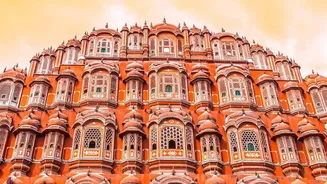
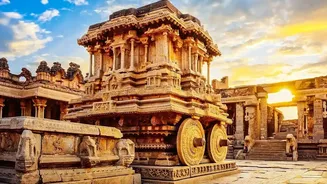
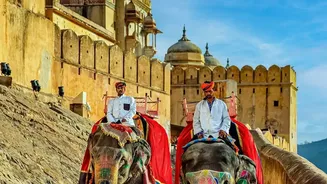
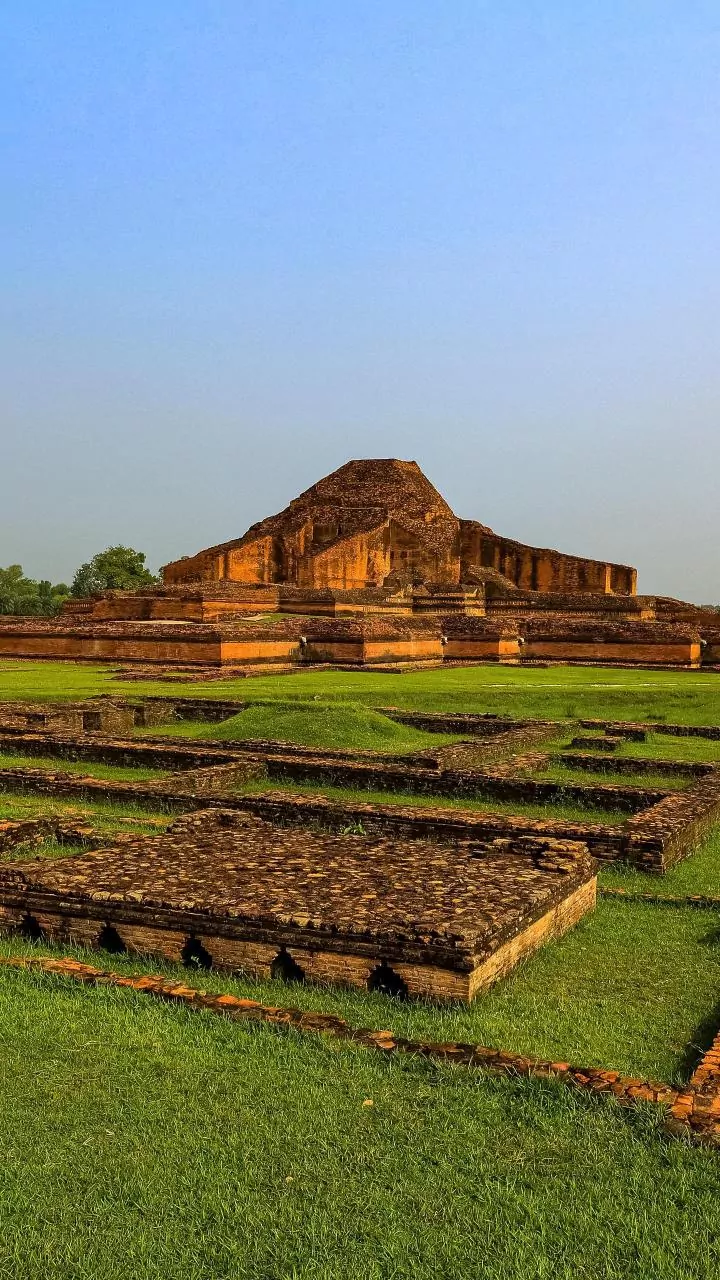
Beyond festivals and food, there is a powerful pull towards heritage and spirituality. Heritage is cited as the single strongest motivator for culture-led travel, with nearly half of Indian travellers saying they would plan a trip around historical sites. This includes not just UNESCO World Heritage sites like Hampi but also lesser-known forts and historic communities in states like Rajasthan and Kerala. This rediscovery is also happening in the spiritual realm. Travel is increasingly being seen as a path to personal discovery, moving beyond simple pilgrimage to immersive wellness and spiritual journeys. Cities like Varanasi have seen a surge in interest as travellers seek deeper, more meaningful experiences. This reflects a broader shift towards intentional travel, where the goal is not just to see a place but to gain new knowledge and perspectives.
Why This Shift, and Why Now?
Several factors are fuelling this change. The rise of social media and content creators on platforms like YouTube and Instagram has made unique cultural experiences more visible and aspirational. Younger generations, particularly Millennials and Gen Z, are leading the charge, valuing experiences over material possessions and seeking authentic connections. They are more likely to travel solo to festivals to meet like-minded people and are willing to venture into Tier 2 and Tier 3 towns for unique cultural encounters. This isn't just about a vacation anymore; it's about identity and storytelling. A trip planned around Durga Puja in Kolkata or a food trail in Lucknow provides a richer narrative and a more profound connection to the destination than a generic beach holiday ever could.