




A Nearly Flawless Flight
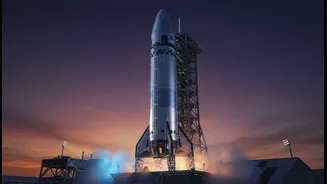
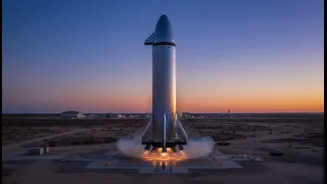
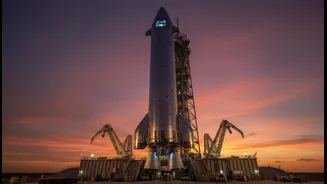
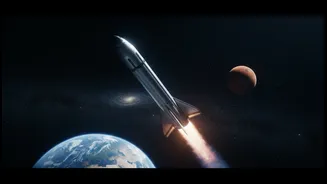
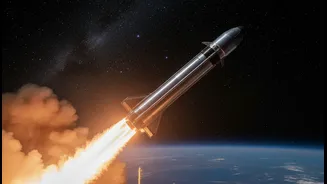
The latest flight of the Starship system, known as Flight 13, has been widely hailed as a major success, building significantly on the lessons from previous tests. The mission saw the Super Heavy booster perform a successful ascent before separating and
executing a controlled splashdown in the Gulf of Mexico. The upper stage, or Ship, continued on its suborbital trajectory, achieving a series of crucial test objectives before its own controlled splashdown in the Indian Ocean. The mission successfully deployed a batch of next-generation Starlink satellites, demonstrating its capability as a cargo delivery platform. More importantly for future crewed missions, engineers gathered critical data on the vehicle's re-entry, testing upgraded heat shield tiles that are vital for surviving the intense heat of returning through Earth's atmosphere. Each successful step in this rapid, iterative testing process reinforces the system's reliability and brings SpaceX closer to an operational, reusable launch vehicle.
The Holy Grail: Orbital Refueling
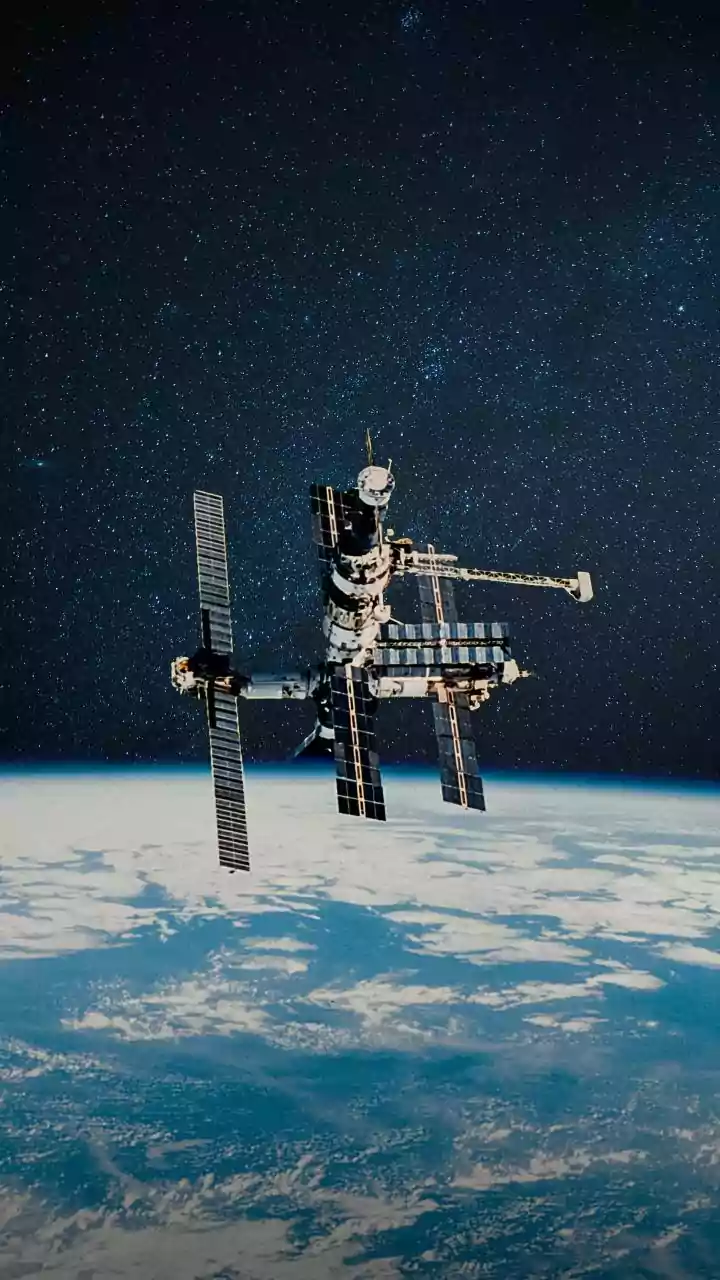
While not a primary goal of this specific suborbital flight, the success of Flight 13 is a direct stepping stone toward the single most important technology for deep space missions: orbital refueling. To send a massive vehicle like Starship to the Moon or Mars, it must be fully fueled in Earth orbit. This is like a car leaving on a long road trip with only enough gas to get to the first petrol pump. It requires launching a primary Starship (the one going to Mars) and then launching multiple 'tanker' Starships to meet it in orbit and top up its tanks. NASA has recognized the criticality of this capability, awarding SpaceX a contract to demonstrate a large-scale orbital propellant transfer. The successful flight control, maneuvering, and engine performance demonstrated in Flight 13 are all foundational elements needed to perform the complex rendezvous and docking required for refueling in space. Mastering this will transform Starship from a vehicle capable of reaching orbit to one capable of reaching other worlds.
What This Means for Artemis
The success of the Starship program is inextricably linked to NASA's plans for returning humans to the Moon. NASA has selected a modified version of Starship as the Human Landing System (HLS) for its Artemis program, tasked with taking astronauts from lunar orbit down to the surface and back again. A reliable, flight-proven Starship is therefore on the critical path for landing the next astronauts on the Moon, a mission currently slated for the late 2020s. Recent test flights are providing NASA with crucial confidence in the vehicle's fundamental design and performance. Before astronauts step aboard, SpaceX must demonstrate not only safe flight but also docking and potentially refueling capabilities in Earth orbit as part of the Artemis III mission architecture, which will serve as a full dress rehearsal. Every successful Starship test brings the dream of a sustained human presence on the Moon, a key objective of Artemis, closer to reality.
The Mars Timeline Gets Real
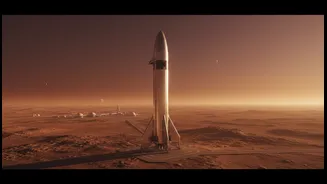
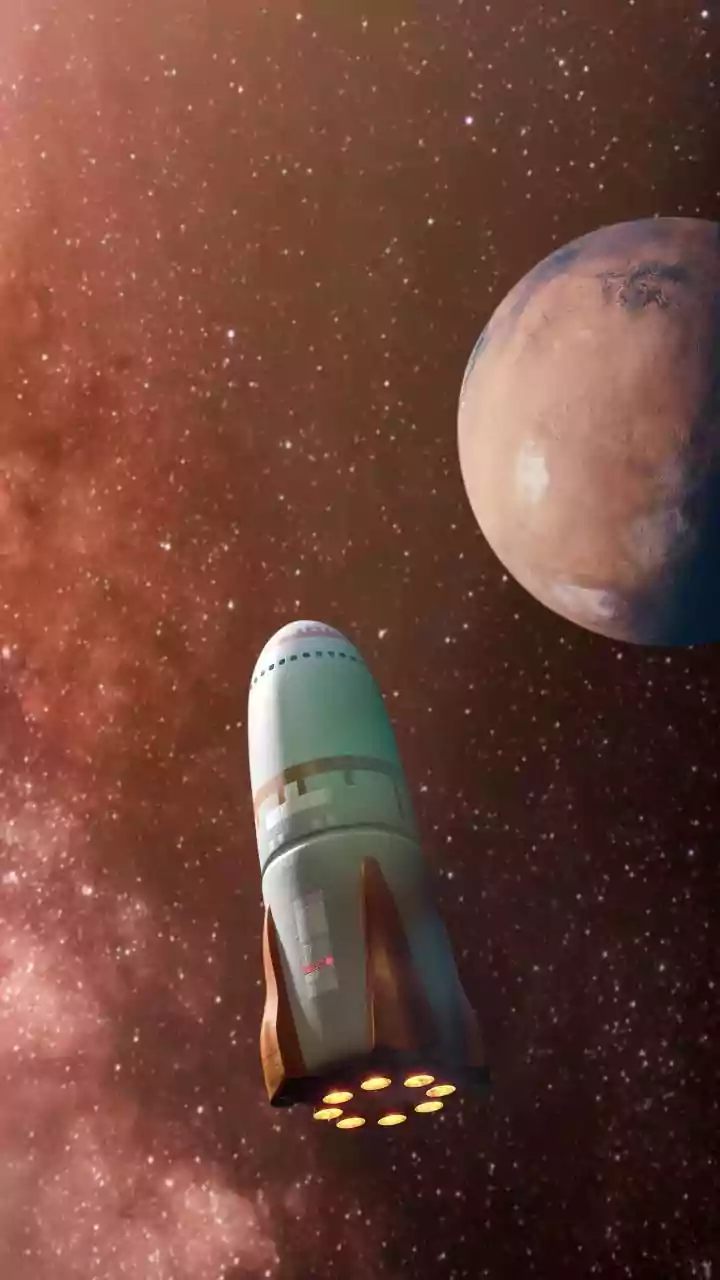
For SpaceX, the Moon is a stopover; the ultimate destination is Mars. The entire Starship system was designed from the ground up with Mars colonization in mind. A successful and rapidly reusable Starship is the only vehicle currently in development that is capable of transporting the hundreds of tons of cargo and, eventually, the dozens of people required to establish a self-sustaining settlement on another planet. The progress shown in the ongoing flight test campaign adds significant credibility to SpaceX's ambitious timelines. While early predictions of landing on Mars in the mid-2020s have shifted, the prospect of uncrewed cargo missions by the end of the decade, followed by crewed missions in the early 2030s, now seems increasingly plausible. With a proven launch system, the focus can shift to other major challenges, like in-situ resource utilization (creating propellant on Mars) and long-duration life support systems.
Challenges Still Ahead
Despite the phenomenal progress, it's important to maintain perspective. Starship is still a developmental vehicle. While Flight 13 was a major step forward, the initial launch attempt was automatically aborted just before liftoff due to engine ignition parameters not being met, highlighting the complexity of the system. Furthermore, while suborbital flights test many key systems, achieving a stable orbit, demonstrating on-orbit engine relights for extended periods, and perfecting the complex dance of orbital refueling are all significant hurdles that still lie ahead. Beyond the hardware, the biological and logistical challenges of sending humans on a multi-month journey to Mars — from radiation exposure to psychological well-being — remain immense scientific and engineering problems to be solved. The path is clearer than ever, but it is still long.