





Find Your Sunny Spot
You don’t need a sprawling lawn to start gardening. Most urban Indian homes have a perfect spot waiting to be discovered. A balcony, a windowsill, or a small terrace that receives at least 4-6 hours of direct sunlight is ideal. Before you buy a single
seed, observe the light in your chosen area. Does it get strong morning sun or harsh afternoon sun? This will determine which plants will thrive. For shadier spots, leafy greens and herbs might work best, while sun-loving plants like tomatoes and chillies will need the brightest corner you have. The goal is to start small. Don't overwhelm yourself by trying to convert your entire balcony at once. Begin with two or three pots in the best possible location. This makes the process manageable and helps you learn without a huge initial investment.
Choose Your First Plants Wisely
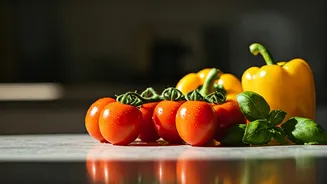
The key to a rewarding first-time gardening experience is choosing plants that are easy to grow and frequently used in your kitchen. Start with staples of Indian cooking. Herbs like coriander (dhaniya), mint (pudina), and curry leaves are incredibly resilient and grow well in pots. For vegetables, consider cherry tomatoes, chillies (mirchi), and spinach (palak). These offer quick results and a high return on your effort. Brinjal and okra (bhindi) are also great choices for beginners with slightly larger pots and good sunlight. You can buy seeds from a local nursery or online, but for absolute beginners, purchasing small saplings (baby plants) is the easiest way to get started. This skips the delicate germination phase and gives you a head start.
Get the Right Home for Your Plants
Your plants need a good home to grow in. This means choosing the right container and the right soil. Terracotta (clay) pots are a great, breathable option, but plastic pots or grow bags also work well and are lighter. Ensure any container you choose has drainage holes at the bottom to prevent water from logging and rotting the roots—this is a common mistake for beginners. For soil, don't just use mud from the ground, as it can be too dense and lack nutrients. Instead, buy a ready-made potting mix from a nursery. A good mix typically contains soil, coco peat (which helps retain moisture), and compost or vermicompost (which provides essential nutrients). This balanced blend gives your plants the perfect foundation for healthy growth.
Master the Art of Watering
Overwatering is the number one killer of container plants. The rule of thumb is to water only when the top inch of the soil feels dry to the touch. Stick your finger into the soil; if it comes out clean and dry, it's time to water. If it has moist soil sticking to it, wait another day. Water thoroughly until you see it running out of the drainage holes. This ensures the entire root system gets a drink. It's best to water early in the morning or late in the evening to minimise evaporation. How often you need to water will depend on the plant, the size of the pot, and the weather. A small pot in the hot summer sun may need water daily, while a larger pot in the monsoon season may need it only once every few days. Pay attention to your plants—they'll often tell you when they're thirsty with slightly droopy leaves.
Reap the Delicious Rewards
The most satisfying part of gardening is the harvest. There is nothing quite like the taste of a tomato picked straight from the vine or the aroma of fresh mint in your evening chai. Regular harvesting also encourages many plants, like herbs and spinach, to produce more. Beyond the incredible flavour, you have the peace of mind of knowing exactly what went into your food—no harmful pesticides, no artificial ripening agents. The benefits extend beyond the plate. The simple act of tending to your plants, of watching something grow, is a powerful stress-buster. It’s a moment of mindfulness in a busy day, a connection to nature that can significantly boost your mental well-being.