
Beyond Just Comfort
So, what does 'wearability' truly mean? It's a concept that goes far beyond the comfort of sweatpants we all embraced. True wearability is a blend of function, quality, and timeless design. It’s about clothing that seamlessly integrates into your real
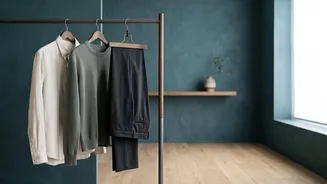
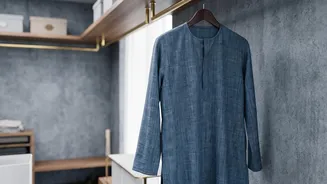
life, feeling as good as it looks without constant adjustment or fuss. Think of fabrics that are durable and feel great against the skin, silhouettes that are versatile enough for both work and weekend, and construction that is built to last. In essence, it’s a rejection of garments that are difficult to style, uncomfortable to move in, or feel more like a one-time costume than a reliable part of your wardrobe.
The Post-Pandemic Wardrobe Reset
The global shift to remote and hybrid work fundamentally altered our relationship with clothing. We spent months prioritising comfort and practicality, and that expectation didn't disappear when the world opened back up. This collective experience lowered our tolerance for the impractical. High-maintenance fabrics, restrictive fits, and shoes designed for sitting, not walking, suddenly seemed absurd. Consumers now demand apparel that can keep up with a more fluid and less compartmentalised lifestyle, moving from a home office to a social gathering without needing a complete outfit change. This has solidified a new baseline for what we expect from our clothes: they must work for us, not the other way around.
The Influence of 'Quiet Luxury'
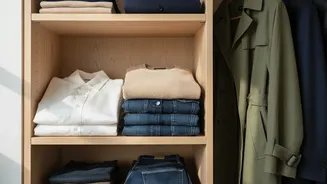
The trend towards wearability is perfectly aligned with the rise of 'quiet luxury'. This aesthetic champions understated elegance, prioritising impeccable craftsmanship, refined materials, and subtle design over flashy logos and overt branding. It's not about hiding wealth, but rather signaling it discreetly through quality. As consumers grow tired of logo-heavy cycles, they are paying closer attention to the intrinsic value of a garment—its fit, fabric, and finishing. Quiet luxury promotes the idea of a wardrobe built on timeless, versatile pieces, which naturally makes it more wearable and sustainable. Brands are responding by reducing aggressive visual identities and focusing on material storytelling.
Smarter Shopping for Your Wallet and the Planet
Economic uncertainty and a growing awareness of fashion's environmental impact have made consumers more deliberate in their purchases. This has popularised the concept of 'cost-per-wear' (CPW), a simple calculation that divides an item's price by the number of times you wear it. A pricey but well-made coat worn hundreds of times has a lower CPW than a cheap, trendy top worn only twice. This mindset encourages investment in durable, high-quality clothing that lasts, directly challenging the fast-fashion model of disposable trends. By choosing fewer, better pieces, shoppers not only save money in the long run but also reduce waste, aligning their closets with more sustainable values.
From the Runway to Your Wardrobe
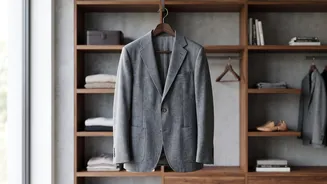
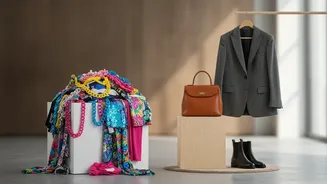
This shift in consumer priority is being reflected on the runways. Designers are moving away from extreme, exaggerated silhouettes and toward a more polished and expressive, yet wearable, aesthetic. Recent collections have highlighted relaxed tailoring, luxurious knits, and versatile separates that can be easily integrated into an existing wardrobe. We're seeing more shaped jackets that offer definition without being restrictive and an emphasis on fluid, comfortable fabrics. The focus is less on creating a single, dramatic 'moment' and more on providing the building blocks for a thoughtful, long-lasting, and deeply personal style. This grounds fashion in reality rather than pure spectacle.