
An Open-Air Gallery's Fading Glory
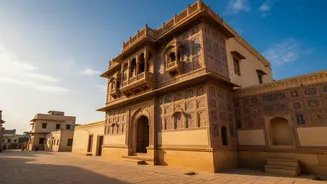
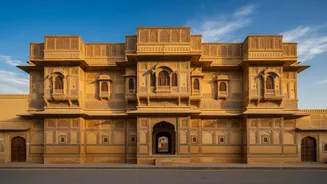
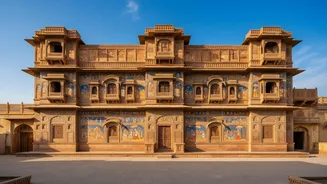
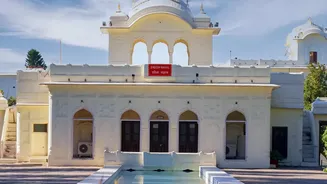
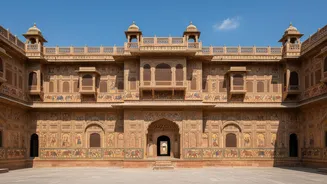
Shekhawati, a semi-arid landscape nestled in northeastern Rajasthan, is often called the world's largest open-air art gallery. Between the 18th and early 20th centuries, wealthy Marwari merchants, who prospered from caravan trade routes, built thousands
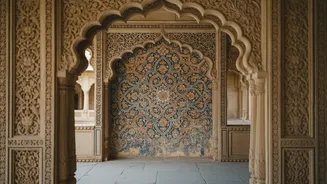
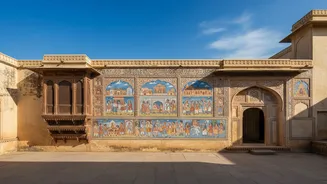
of opulent mansions known as havelis. To showcase their status, they commissioned local artists to cover every surface—walls, ceilings, arches, and facades—with intricate frescoes. These murals depict a stunning range of subjects, from Hindu mythology and epic romances to the arrival of British colonials with their steam trains and motorcars. But as trade routes shifted, many merchant families migrated to cities like Mumbai and Kolkata, leaving their ancestral homes to the ravages of time and weather. Today, many of these architectural gems stand in a state of beautiful decay, their priceless artworks slowly crumbling.
The Rise of the Haveli Homestay
In the face of this slow decline, a grassroots preservation movement has taken root. A growing number of families, often descendants of the original owners, are breathing new life into these structures by converting them into heritage homestays and hotels. This adaptive reuse provides a sustainable economic model for conservation. The revenue generated from hosting travellers is channelled directly into the painstaking and costly work of restoration. This approach allows for the meticulous repair of damaged plaster, the careful cleaning of soot-covered paintings, and the employment of local masons and artisans who still practice traditional building techniques, such as using lime mortar instead of modern cement. It's a model that turns tourists from passive observers into active participants in the preservation of cultural heritage.
An Intimate Connection to History
Staying in a Shekhawati haveli is more than just booking a room; it’s an immersive cultural experience. Guests sleep in chambers adorned with original, century-old frescoes, dine in courtyards that once hosted merchant gatherings, and interact directly with the families who act as custodians of this legacy. Unlike a conventional museum, these havelis are living spaces. This personal connection offers a deeper understanding of the region's history and the challenges of its preservation. In towns like Nawalgarh, Mandawa, and Fatehpur, pioneers in this space are demonstrating that hospitality can be a powerful conservation tool. Some havelis, like the Podar Haveli in Nawalgarh, have been converted into meticulously restored museums, providing crucial context on the art form for visitors.
The Off-Season Draw for Art Enthusiasts
While the peak tourist season in Rajasthan runs from October to March, the so-called off-season—including the monsoon months of July and September—offers a unique appeal for serious art lovers. With fewer crowds, visitors have the time and space for unhurried exploration. The period after the rains brings a fresh vibrancy to the landscape, and the soft, diffused light is often ideal for photography. More importantly, the quieter months can provide a more intimate experience. It's a time when guests may have the opportunity to observe restoration work in progress, speak at length with their hosts about the conservation process, and gain a deeper appreciation for the delicate artistry of the frescoes without the bustle of peak-season tourism. This slower pace allows for a more profound connection with the art and the community dedicated to saving it.
A Virtuous Cycle of Preservation
The homestay model creates a virtuous cycle. Tourism provides the necessary funds for restoration, which in turn saves the very art that attracts visitors in the first place. This movement is supported by organisations like INTACH and international conservation groups that work to raise awareness and share expertise on traditional restoration techniques. By choosing to stay in a heritage haveli, travellers contribute directly to the local economy, support the families who have taken on the immense task of preservation, and help ensure that the vibrant stories painted on Shekhawati's walls will continue to speak to future generations. It is a powerful example of how responsible tourism can safeguard a priceless cultural legacy.