
The Moon’s Unseen Danger
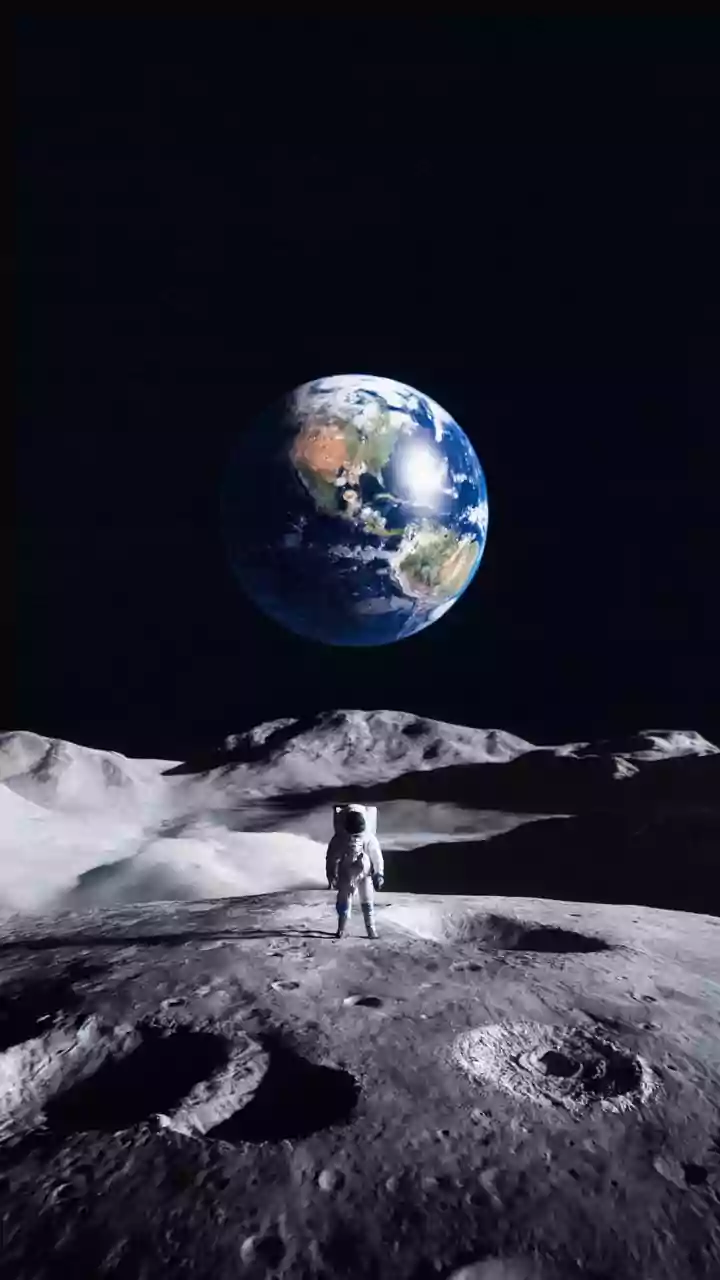
Living on the Moon sounds like the ultimate adventure, but the reality is that the lunar surface is an incredibly hostile environment. Unlike Earth, which is protected by a thick atmosphere and a global magnetic field, the Moon is completely exposed.
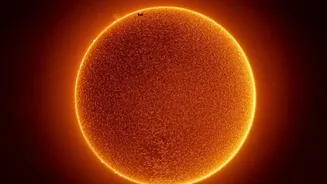
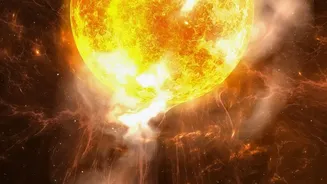
This means astronauts on the surface would be subjected to a constant shower of two types of dangerous radiation: Galactic Cosmic Rays (GCRs) from deep space and unpredictable Solar Particle Events (SPEs), which are intense bursts of radiation from the Sun. The annual radiation dose on the lunar surface can be hundreds of times higher than what people experience on Earth. This level of exposure severely limits the duration of missions and poses significant long-term health risks to astronauts, making the construction of heavily shielded habitats a complex and costly challenge.
An Ancient Volcanic Legacy
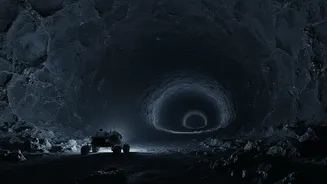
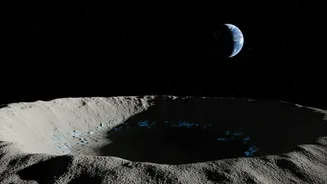
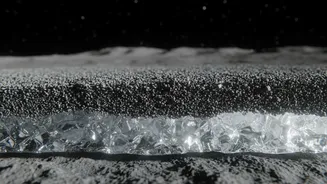
The most promising solution to this life-threatening problem might be one that has been waiting for billions of years. Enter lunar lava tubes: vast, hollow caverns and tunnels hidden beneath the Moon's surface. These structures were formed long ago when the Moon was volcanically active. Rivers of molten lava flowed across the surface, and when the top layer cooled and solidified, the liquid rock below continued to flow, eventually draining out and leaving behind a hollow tube. For decades, their existence was only a theory. But in recent years, orbiting spacecraft from agencies like NASA and JAXA have spotted tell-tale signs: deep, circular pits on the lunar surface, believed to be 'skylights' where the roof of a lava tube has collapsed. These discoveries have confirmed that the Moon holds a network of natural, pre-built shelters.
A Shield Made of Rock
The protective qualities of these lava tubes are remarkable. The thick ceiling of solid volcanic rock, potentially tens or even hundreds of meters thick, provides a near-perfect shield. Studies have shown that while the lunar surface receives a high dose of radiation, inside a lava tube the levels could drop to match the safe, natural background radiation we experience on Earth. This would eliminate the need to transport heavy radiation shielding from Earth, a major logistical and financial bottleneck for any long-term settlement. Beyond radiation, the tubes offer protection from two other persistent threats: constant micrometeoroid impacts and the extreme temperature fluctuations, which can swing from a scorching 120°C in the day to a frigid -130°C at night. Inside a tube, the temperature is expected to be stable, greatly simplifying habitat design and energy needs.
The Hunt for a Lunar Home
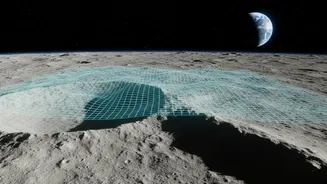
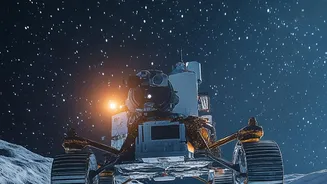
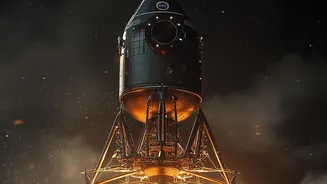
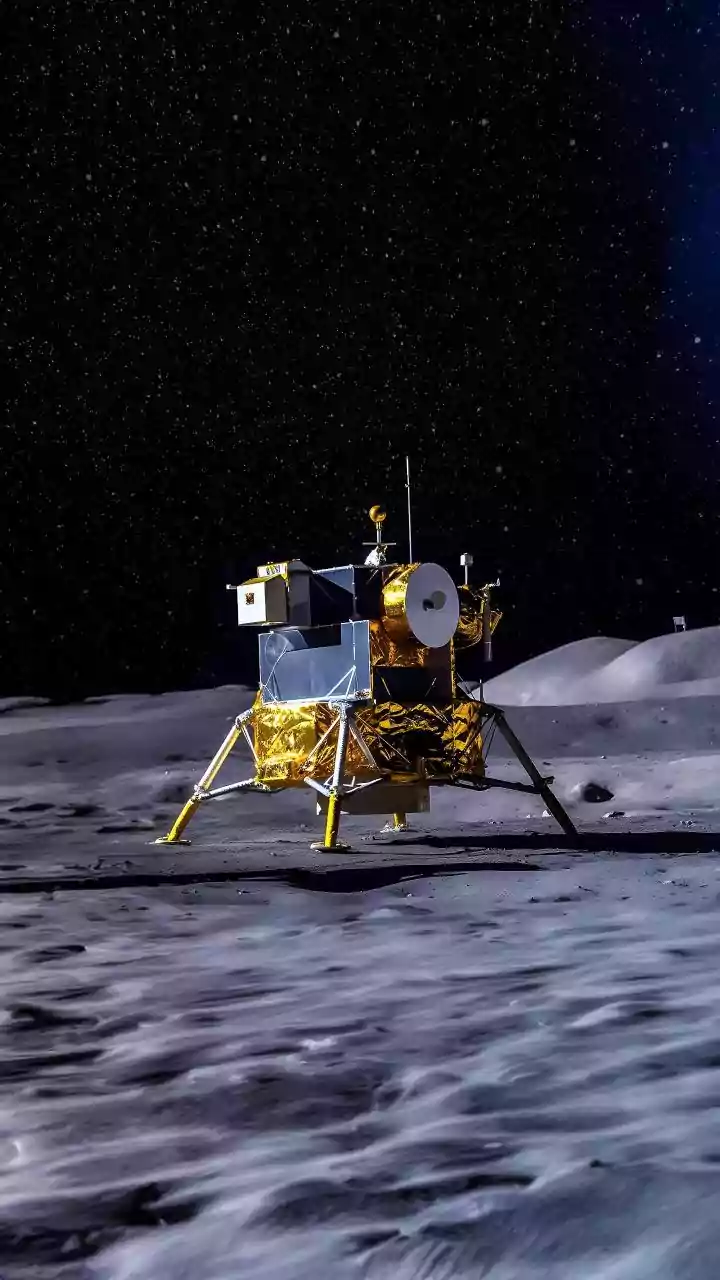
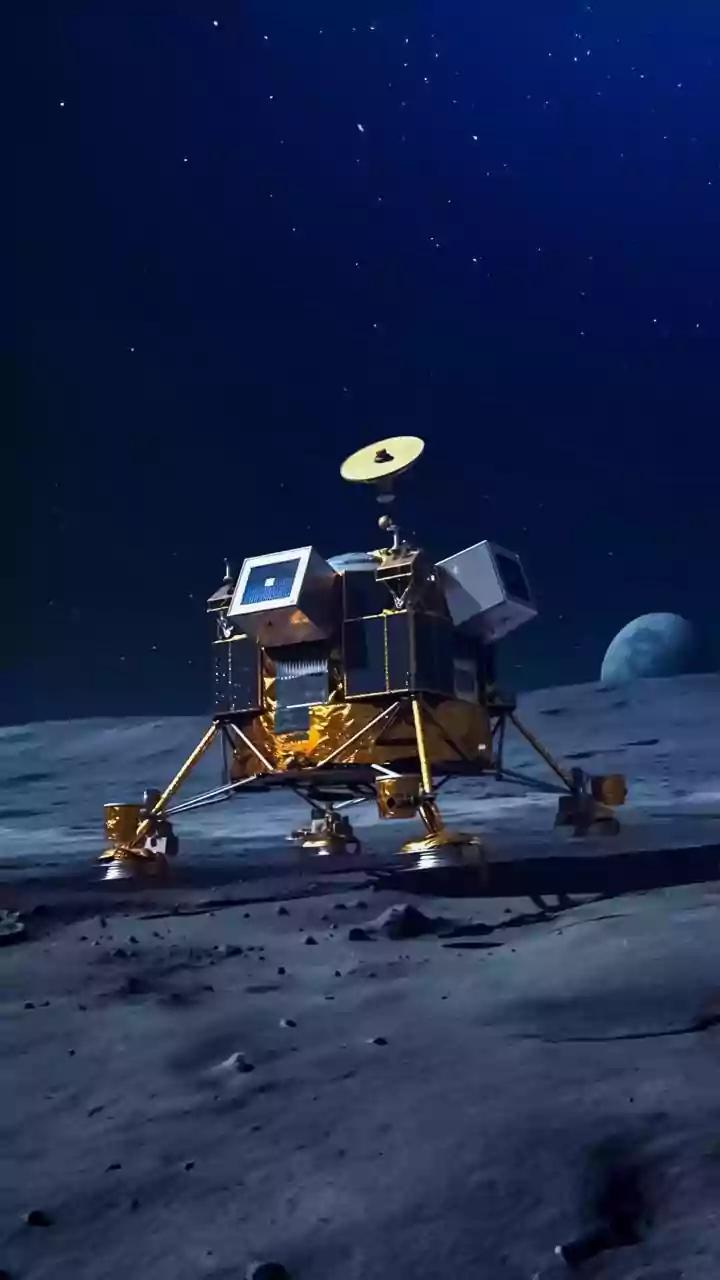
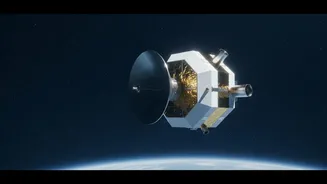
Finding and mapping these subterranean havens is the new frontier of lunar exploration. Space agencies are developing innovative technologies to peer beneath the surface. Using radar instruments on orbiters, scientists are beginning to create 3D maps of these hidden structures. The next logical step involves sending robotic explorers—specialised rovers or even autonomous drones—that can descend through the skylights and navigate the dark, dusty tunnels. These missions will assess the structural integrity, map the internal layout, and identify the most suitable locations for future habitats. This is an area where India, with its proven expertise in lunar missions through the Chandrayaan program, is well-positioned to play a leading role. The success of the Pragyan rover demonstrates the capability to operate robotic systems on the Moon, a skill set directly applicable to exploring these intriguing caves.
Challenges of a Subterranean Life
Of course, moving into a lunar lava tube is not as simple as finding an empty cave. Significant engineering challenges remain. First, there is the problem of access; getting large equipment and habitat modules down a vertical pit dozens of meters deep will require new types of cranes or descent systems. Once inside, habitats will still need to be inflatable or assembled, complete with life support, power, and lighting systems. The risk of localised ceiling collapses or navigating through fine, abrasive lunar dust in total darkness are also serious considerations that require innovative solutions. These are not just scientific hurdles but massive engineering projects that will define the next phase of our journey to becoming a multi-planetary species.