



Decoding the Karat System
Before choosing, it is essential to understand what 'karat' (K) means. Karat is the unit used to measure the purity of gold. The system works on a scale of 24 parts. In its purest form, gold is 24 karats, meaning all 24 parts are pure gold. This is why
24K gold is certified as 99.9% pure. On the other hand, 22K gold means that 22 parts of the metal are pure gold, while the remaining two parts consist of other metals, known as alloys. These alloys are typically copper, silver, or zinc. This brings the purity of 22K gold down to 91.67%. This is why 22K gold is often stamped with the number '916' as a mark of its purity.
The Trade-Off: Purity vs. Durability
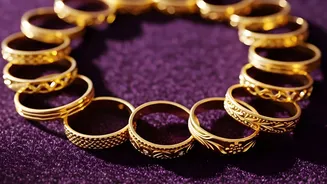
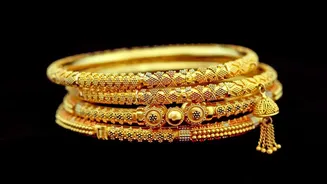
Here lies the central dilemma for most jewellery buyers. While 24K gold boasts the highest purity, this comes at the cost of durability. Pure gold is an extremely soft and malleable metal. This means that jewellery made from 24K gold is prone to scratching, denting, and bending with even minimal impact. It is not ideal for items you plan to wear regularly. This is where 22K gold shines. The small addition of alloy metals makes it significantly harder and more resilient. This added strength allows 22K gold jewellery to withstand the rigours of daily wear, making it the practical choice for items like bangles, rings, and chains that are worn often. It can hold intricate designs and retain its shape over time, offering a perfect blend of high gold content and functional strength.
Comparing Cost and Investment Value
The price of gold is directly linked to its purity. Since 24K gold contains more pure gold per gram, it is naturally more expensive than 22K gold. When you are buying gold purely as an investment—in the form of bars or coins—24K is the preferred option. Its value is tied directly to market rates, and it fetches the highest price upon resale. However, when it comes to jewellery, the calculation is different. While 22K gold has a slightly lower intrinsic value per gram, its suitability for adornment makes it a popular form of wearable wealth. When you sell 22K jewellery, the price will be based on its gold content, but remember that the 'making charges' you paid at the time of purchase are typically not refundable.
Matching the Gold to Its Purpose
The best choice ultimately depends on your intention. If your goal is long-term investment and you plan to store the gold in a locker, 24K coins or bars are the undisputed winners. They offer maximum purity and value. If you are buying jewellery to wear, whether for special occasions or daily use, 22K gold is the standard in India and for good reason. It provides the glitter and prestige of high-purity gold while being durable enough to last for generations. For heavily studded pieces with diamonds or other precious stones, jewellers often prefer 18K gold, as the even higher alloy content provides a more secure grip on the gems.
Don't Forget the Hallmark
Regardless of whether you choose 22K or 24K, never purchase gold without a proper hallmark. In India, the Bureau of Indian Standards (BIS) provides a certification that guarantees the purity of the gold. A BIS hallmarked piece of jewellery will have a tiny laser-engraved mark that includes the BIS logo, the purity grade (like 22K916), and a unique six-character alphanumeric code called a Hallmark Unique Identification (HUID) number. This hallmark is your ultimate assurance that you are getting the purity you are paying for.