




What Exactly Are Cold-Pressed Oils?
Before they were simply labelled 'cold-pressed', these were just the default oils in most Indian homes, known by traditional names like 'kachi ghani' or 'chekku'. The method is simple and ancient: oilseeds are crushed slowly under pressure without any
external heat. This mechanical process, often using a wooden press, ensures that the temperature stays low, typically below 49°C. Why does this matter? Because this gentle extraction preserves the oil’s natural flavour, aroma, colour, and, most importantly, its nutritional profile. Unlike refined oils, which are processed with high heat and chemical solvents to create a neutral, long-lasting product, cold-pressed oils are left in their most natural state. They retain more of the beneficial antioxidants, vitamins, and healthy fats that are naturally present in the seeds. This makes them not just a cooking medium, but an active ingredient that contributes character to a dish.
Mustard Oil: The Pungent Powerhouse
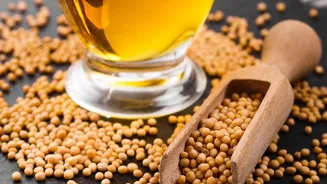
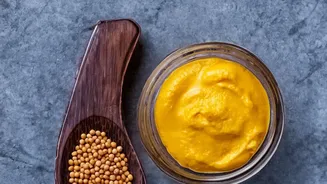
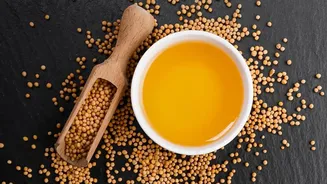
Known as 'sarson ka tel', cold-pressed mustard oil is the soul of many regional cuisines, especially in Bengal, Bihar, Punjab, and Uttar Pradesh. Its signature sharp, pungent flavour comes from a compound called allyl isothiocyanate, which gives it that familiar kick. This oil has a high smoke point of around 250°C, making it extremely versatile for all kinds of Indian cooking, including deep-frying pakoras, sautéing vegetables, and preparing robust curries. In Bengali cooking, it’s a flavour in itself, used to create iconic dishes like Shorshe Ilish (Hilsa in mustard sauce) and Aloo Posto. In North India, it's often heated until it just starts to smoke to mellow its pungency before spices are added, a crucial step for dishes like Sarson Ka Saag. It is also the traditional choice for making pickles, as its natural antimicrobial properties help in preservation.
Sesame Oil: The Nutty Nectar of the South
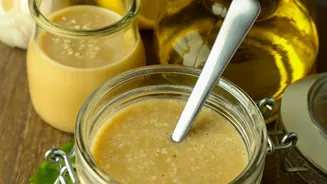
Travel down to Southern India, and the culinary landscape shifts to the rich, nutty aroma of sesame oil, often called 'gingelly oil' or 'nalla ennai'. An essential component in the cuisines of Tamil Nadu, Andhra Pradesh, and Karnataka, cold-pressed sesame oil is used for tempering dals and sambars, mixing with 'podi' to eat with idlis and dosas, and preparing complex gravies like Vatha Kuzhambu. It is made from raw, untoasted sesame seeds, which gives it a milder, nuttier flavour compared to the dark, toasted sesame oil used in East Asian cooking. While its smoke point is lower than mustard oil, varying between 177°C and 210°C, it's perfectly suited for the tempering and light frying common in South Indian cooking. The oil is prized for its unique flavour and the beautiful gloss it adds to dishes.
Groundnut Oil: The Versatile All-Rounder
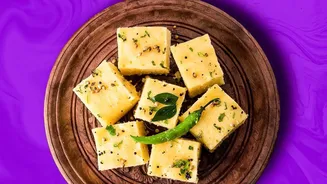
In the western states of Gujarat and Maharashtra, cold-pressed groundnut oil, or 'shengdana tel', reigns supreme. With a mild, pleasant, and slightly nutty flavour, it’s a true kitchen workhorse. Its versatile profile means it doesn't overpower the other ingredients, making it ideal for a wide variety of dishes, from everyday sabzis and dals to frying snacks like vada pav, fafda, and other farsan. Cold-pressed groundnut oil has a smoke point of around 160°C to 170°C, which is stable enough for most common Indian cooking methods, including deep frying at a medium flame. As Gujarat is a major producer of peanuts, the oil is deeply integrated into the local food culture, forming the base for famous dishes like Undhiyu and various shaak preparations. Its ability to carry flavours without dominating makes it a staple in many households across the country.