




Vibrant Vegetables of the Monsoon
The arrival of the rains signals a shift in the vegetable market. Gone are some of the scorching summer's favourites, replaced by gourds, beans, and greens that thrive in the humid weather. These vegetables are perfect for hearty, warming dishes that are ideal
for the cooler, rainy days of July.
Bhindi (Okra or Lady's Finger)
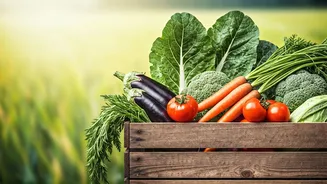
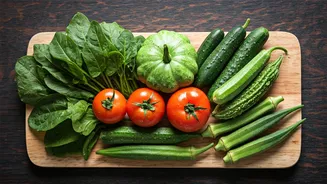
Though available for many months, okra harvested during the monsoon is particularly fresh and tender. This versatile vegetable is a staple in Indian households, perfect for a simple stir-fry (bhaji), stuffed preparations, or adding to curries. When buying, look for smaller, bright green pods that are firm to the touch and snap easily. Avoid any that are limp, bruised, or overly large, as they can be tough and fibrous.
Gourds (Lauki, Turai, Karela)
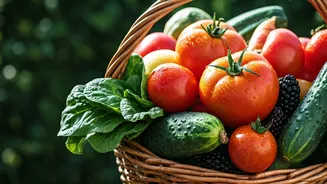
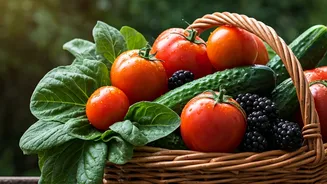
July is peak season for a variety of gourds that are both cooling and easy to digest. Bottle gourd (lauki), ridge gourd (turai), and bitter gourd (karela) are abundant and affordable. These vegetables, known for their high water content, are excellent for hydration. When selecting lauki, choose one that is pale green, firm, and has smooth skin. For turai, look for a dark green colour with sharp ridges. With karela, a bright green colour indicates freshness.
Bhutta (Corn on the Cob)
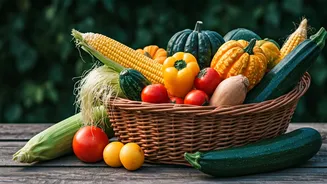
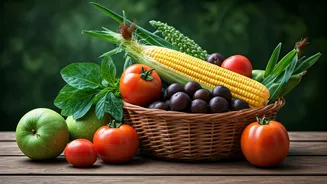
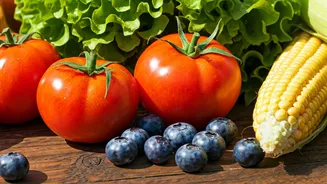
Nothing says monsoon in India quite like a roasted bhutta, seasoned with salt, chilli, and a squeeze of lime. Fresh corn becomes widely available this month. To pick the best cobs, look for bright green husks that are wrapped tightly around the corn. The tassels at the top should be golden or light brown and feel slightly sticky, not dry or black. Gently squeeze the cob to feel for plump, tightly packed kernels.
Delicious July Fruits
While the peak summer fruit season is winding down, the monsoon brings its own unique and delicious offerings. These fruits are often juicy, with a delightful balance of sweet and tart flavours that are perfect for the season.
Jamun (Indian Blackberry)
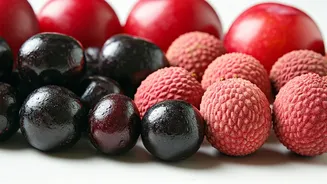
Jamun is the quintessential monsoon fruit, celebrated for its unique sweet, sour, and astringent taste. This deep purple berry is not only delicious but also packed with Vitamin C and iron. When shopping for jamun, choose fruits that are dark purple or almost black in colour, indicating ripeness and sweetness. They should be firm with smooth, glossy skin. Avoid any that are bruised, wrinkled, or discoloured. Store them unwashed in the refrigerator and consume within a few days for the best flavour.
Peaches (Aadoo) and Plums (Aloo Bukhara)
The tail end of the stone fruit season means you can still find delicious peaches and plums, particularly from the hilly regions of northern India. These fruits are a delightful mix of sweet and tangy. A ripe peach will have a fragrant aroma and yield slightly to gentle pressure. For plums, look for rich colour and a plump feel. They make a great snack on their own or can be used in desserts and jams.
Cherries and Litchis
You may still find the last of the season's litchis and cherries in the market in early July. Litchis, with their sweet, juicy flesh, are a monsoon favourite. Their peak season often extends from May into the early part of the monsoon. Similarly, late-season cherries might still be available. Look for plump, deeply coloured fruits with their stems intact. Enjoy them quickly, as their season is brief and they are best eaten fresh.