





The Monsoon's Grand Exit
The Southwest Monsoon, the lifeblood of Indian agriculture, follows a fairly regular schedule. It typically begins its withdrawal from the extreme north-western parts of the country around mid-September, gradually retreating south and east over the following
weeks. By October, much of North and Central India expects to see dry, sunny weather. This year, the withdrawal process has seen the monsoon recede from states like Punjab, Haryana, Rajasthan, Gujarat, and Madhya Pradesh. However, the departure isn't a simple, clean break across the entire subcontinent. The process is complex, dictated by large-scale weather patterns, including the establishment of an anticyclonic circulation which brings in dry north-westerly winds.
Which Regions Will Still See Rain?
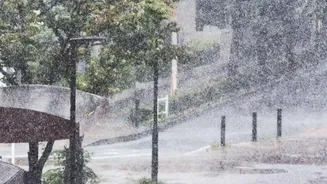
Despite the broader withdrawal, several parts of India are forecast to experience wet weather well into October. The India Meteorological Department (IMD) has indicated that Peninsular and Northeast India are the primary regions to watch. States like Kerala, Karnataka, and Tamil Nadu in the south are likely to receive fairly widespread rainfall, with some areas seeing isolated heavy showers and thunderstorms. This activity is partly due to the dynamics that lead into the Northeast Monsoon, which primarily affects the southern peninsula. Similarly, northeastern states, including Arunachal Pradesh, Assam, and Meghalaya, are also expected to see continued rainfall. Even parts of East India like Odisha, Bihar and Jharkhand are predicted to receive scattered rains.
A Mixed Blessing for Agriculture
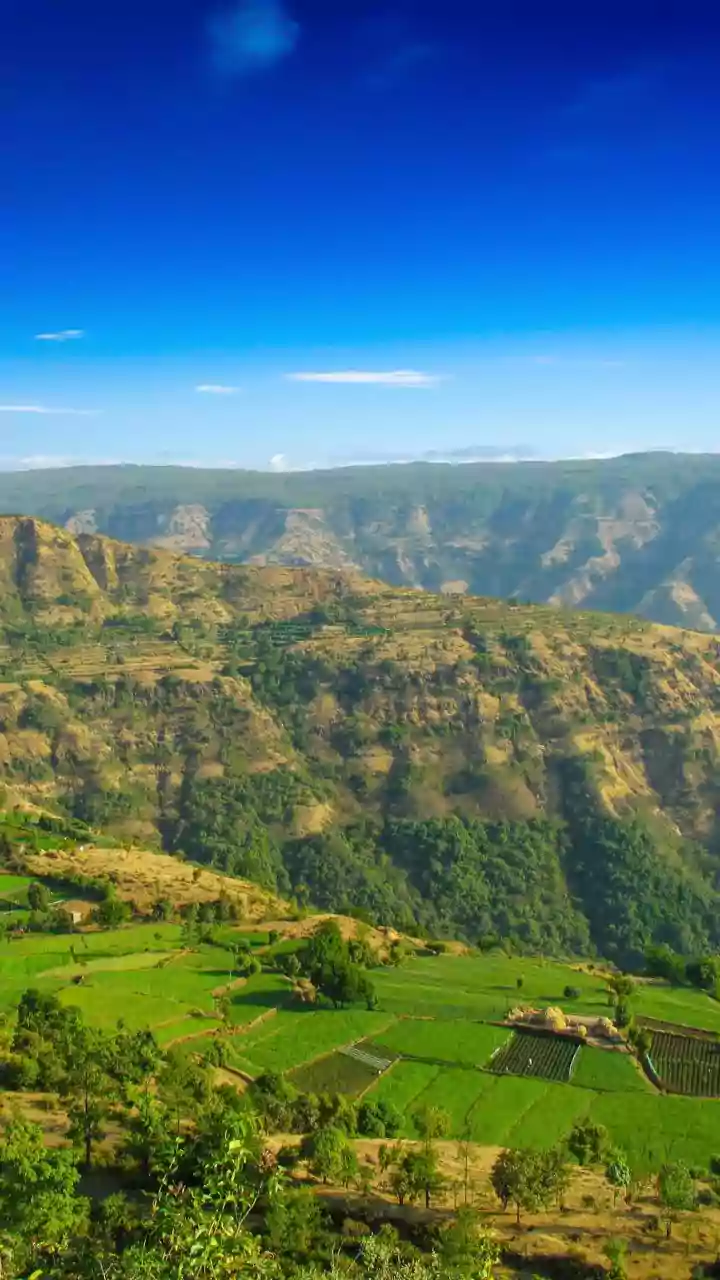
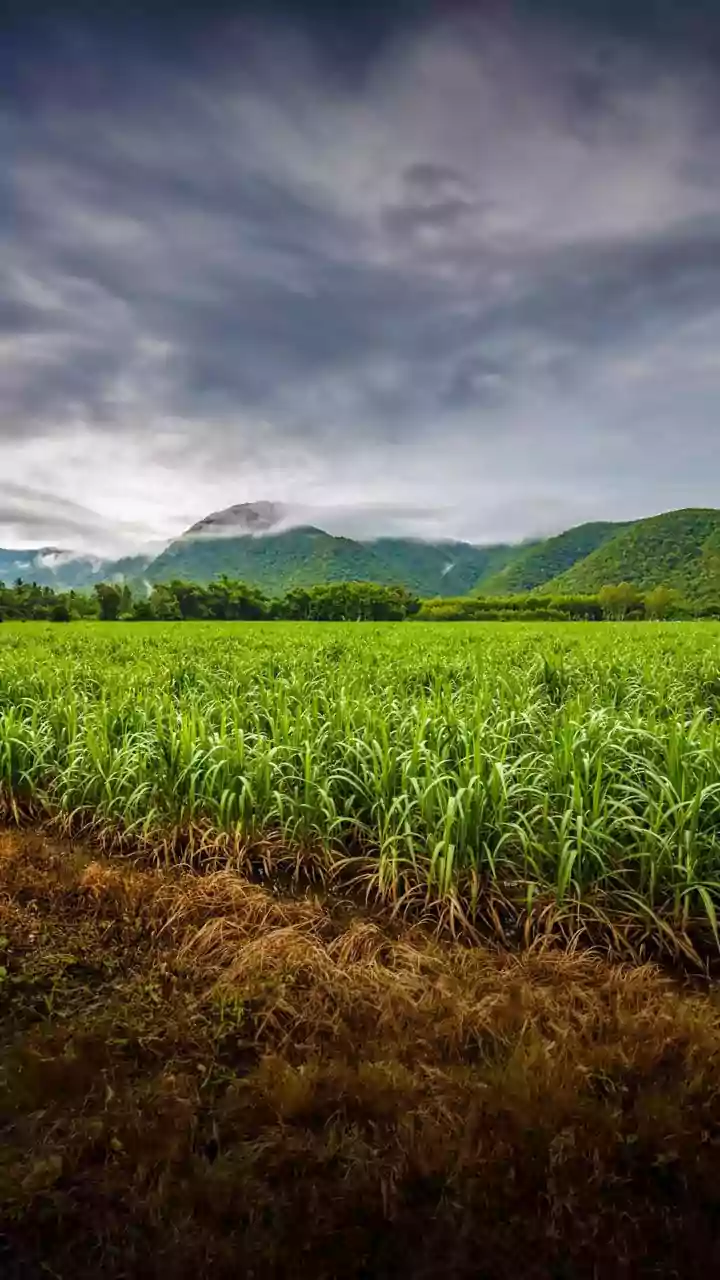
This extended rainfall is a classic double-edged sword for the agricultural sector. After a season that ended with a significant rainfall deficit for the country overall, any additional water is welcome, especially for filling reservoirs that are below their historical averages. Low reservoir levels are a major concern for the upcoming Rabi (winter) crop season, which relies heavily on stored water. However, for farmers who are ready to harvest their Kharif crops like paddy and cotton, unexpected heavy rain can be disastrous. It can lead to waterlogging in fields, damage mature crops, increase moisture content in the harvested produce, and delay the preparation for Rabi sowing. The overall 2026 monsoon season was marked by a deficit of around 12-13%, influenced by a strong El Niño.
Is This the New Normal?
In recent years, India has witnessed a trend of delayed monsoon withdrawals. While the 2026 withdrawal from some areas like Mumbai has been earlier than usual, the lingering presence of rain in other parts points to the complex and shifting patterns that many climate scientists link to broader climate change. These changes manifest as not just shifts in total rainfall, but also in its timing and intensity. The 2026 season itself was erratic, with a very dry June and August, but a surplus in July. This unpredictability poses a significant challenge for agriculture, water management, and urban planning. The increased frequency of extreme weather events—both prolonged dry spells and intense bursts of rain—requires a fundamental rethinking of our preparedness strategies.