




Beyond Looks: Prioritise Comfort
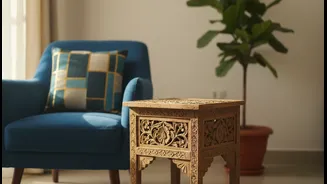
A beautiful vintage armchair with a striking silhouette is an exciting find, but if sitting in it feels like a punishment, its value is purely decorative. Before you buy, always test for comfort. Sit in chairs, lie on daybeds, and lean against headboards.
Think about how the piece will be used in your daily life. Is that stunning wooden bench truly where you want to sit for a two-hour dinner party? Check the condition of upholstery; while fabric can be changed, the underlying structure is key. Look for signs of quality like down-filled cushions or solid frames. A musty smell can indicate water damage, which might affect the springs and internal fillings. Remember, comfort isn't just about softness—it's about ergonomics and how the furniture supports your body during its intended use. A piece that fits your lifestyle is one you'll love for years, not just admire from afar.
Smart Storage From a Bygone Era
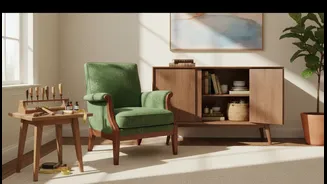
In contemporary homes where space is often at a premium, every piece of furniture should ideally serve a dual purpose. Vintage items can be surprisingly effective at providing clever storage solutions. Look for dressers, sideboards, trunks, and armoires that offer both style and function. A vintage trunk at the foot of a bed can store extra linens, while a mid-century credenza can elegantly hide media equipment and clutter. When assessing a piece, check its storage functionality thoroughly. Do the drawers slide smoothly, or do they stick and wobble? A beautiful cabinet is less useful if the doors don't close properly or if it has a persistent musty odour that could transfer to your belongings. These pieces were built for longevity and can offer more character and often better build quality than modern flat-pack alternatives.
Assess the Potential for Repair
Vintage furniture will almost always show some signs of its past life, which is part of its charm. However, it's crucial to distinguish between a beautiful patina and a critical flaw. A few scratches can tell a story, but a cracked frame or severe water damage can be a deal-breaker. Before committing, evaluate the piece’s repair potential. Check the joints—are they wobbly? In many older pieces, joints were made with hide glue, which was designed to be re-glued every few decades as part of normal maintenance. This often makes a wobbly chair an easy fix. However, issues like peeling veneer, deep gouges, or signs of woodworm might require a professional, adding significant cost. Unless you are a skilled restorer, avoid pieces with major structural damage. The goal is to find furniture with good bones that will serve another generation, not a project that will drain your wallet.
The Final Check: Quality and Fit
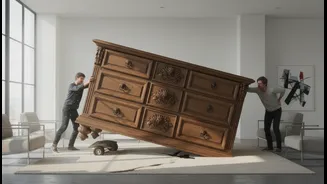
Once a piece has passed the tests for comfort, storage, and repairability, there are a few final checks. Measure everything—the piece itself, and the doorways, hallways, and staircases in your home. A common mistake is falling in love with a large item only to find it won't fit through the door. Look for signs of quality craftsmanship, like dovetail joints in drawers or a maker's stamp on the underside. These details often indicate a well-made piece that has already stood the test of time and is worth your investment. While it’s easy to get swept up in the thrill of the hunt, a methodical approach ensures you bring home a treasure, not just old furniture.