




The Visa-Free Effect
The single biggest catalyst for this trend is Thailand's simplified entry policy for Indian travellers. As of September 2026, Indians can enter Thailand for up to 30 days without a visa. This visa-exemption scheme removes a significant layer of planning,
stress, and cost that once complicated international travel. For a generation accustomed to spontaneity, the ability to book a last-minute flight to Krabi or Chiang Mai without weeks of visa paperwork is a game-changer. It transforms a potential trip from a logistical challenge into an easy decision, making Thailand one of the most accessible international destinations. This ease of access is a crucial factor for young travellers, who often plan shorter, more frequent trips rather than one long annual holiday.
Krabi: Sun, Sea, and Epic Scenery
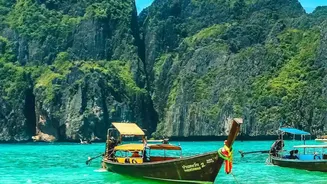
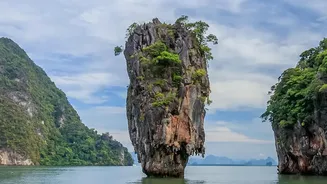
For many young Indians, Krabi is the picture-perfect tropical escape. Its appeal lies in the dramatic limestone karsts that jut out of turquoise waters, creating a surreal landscape that feels straight out of a movie. This is the home of iconic island-hopping tours that are both affordable and incredibly photogenic. Trips to the Phi Phi islands, Hong Island, and the classic '4 Islands Tour' are mainstays, offering opportunities for snorkeling, swimming in hidden lagoons, and capturing stunning photos for social media. Beyond the boat tours, Krabi offers a range of activities that appeal to a younger, more adventurous crowd, from rock climbing on Railay Beach to kayaking through mangrove forests. The vibe is relaxed and leans into nature, aligning with a growing preference among young Indians for getaways that offer both relaxation and adventure.
Chiang Mai: Cafes, Culture, and Cool Climate
In stark contrast to the southern beaches, Chiang Mai in Northern Thailand offers a completely different, yet equally compelling, experience. Here, the attraction is the lush, mountainous landscape and the refreshingly cool air. The city has become famous for its vibrant and innovative cafe culture, with countless spots offering artisanal coffee, stunning aesthetics, and breathtaking valley views. Cafes set in lush gardens, beside waterfalls, or overlooking rice paddies provide the perfect setting to unwind, work remotely, or simply enjoy a slow-paced afternoon. But Chiang Mai is more than just coffee. It’s a hub of culture with historic temples, bustling night markets, and a reputation for ethical elephant sanctuaries. This blend of nature, creativity, and authentic local life resonates deeply with Gen Z and Millennial travellers who prioritize unique experiences over standard tourist packages.
The Budget-Friendly Appeal
The combination of Krabi and Chiang Mai is particularly potent because it’s achievable on a budget. For many young Indians, a trip to Thailand can be more affordable than a comparable domestic holiday. Flights from major Indian cities are frequent and competitively priced, especially on low-cost carriers. Once there, the value for money is exceptional. Accommodation options range from trendy hostels to affordable private guesthouses, which are often preferred over expensive hotels. Street food is a highlight, offering delicious and authentic meals for a fraction of the cost of restaurant dining. Local transport is also inexpensive. This affordability allows travellers to stretch their budget, enabling them to visit both the beaches of the south and the mountains of the north in a single trip of 7 to 10 days, all while keeping overall costs surprisingly low.