





The September Spectacle: Why Timing is Everything
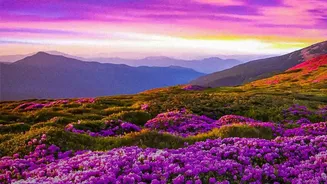
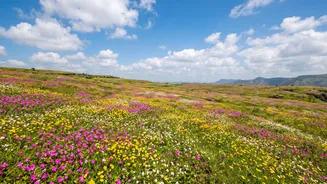
Known as Maharashtra's Valley of Flowers, the Kaas Plateau is a lateritic plateau that comes alive after the monsoon. While the season can stretch from late August to early October, the absolute peak bloom typically occurs in mid-to-late September. This
is when over 850 species of flowering plants create a breathtaking carpet of colours. The landscape changes almost weekly as different species bloom, so every visit offers a unique view. Declared a UNESCO World Heritage site for its unique biodiversity, its beauty is fleeting, making a September trip a special event.
Booking Your Slot is Non-Negotiable
To protect the fragile ecosystem, visitor numbers are strictly controlled. The forest department allows a limited number of tourists each day, often around 3,000, split into three time slots. It is mandatory to book your entry permits online in advance, especially for weekends and public holidays, which sell out quickly. You can book through the official Kaas committee website. The entry fee often includes parking and a shuttle bus service from the designated parking area to the main plateau, which helps manage traffic and protect the core zone. Remember to carry a printout of your ticket, as mobile screenshots may not be accepted.
Your Travel Blueprint: Getting There by Road
Kaas Plateau is most accessible by road. For those driving from Pune, the journey is approximately 130-140 km and takes around three to four hours. From Mumbai, the distance is about 280 km, which translates to a five to six-hour drive. The route is scenic, especially the final stretch near Satara. To make the most of your day and avoid crowds, an early morning start is highly recommended. Roads can be slippery due to monsoon showers, so cautious driving on the ghat sections is advised. While Satara is the nearest major town, having your own vehicle offers the most flexibility for exploring the plateau and nearby areas.
On the Plateau: Rules for Responsible Tourism
Once you arrive, the primary rule is to respect nature. The entire flowering zone is fenced, and visitors must stick to the designated pathways. Trampling on the flowerbeds is strictly prohibited and can harm the delicate ecosystem. Plucking flowers, littering, and bringing food onto the main plateau are also not allowed. Following the instructions of the forest guards ensures that the beauty of Kaas can be preserved for years to come. The weather can be unpredictable, with bright sun turning to mist and rain in minutes, so be prepared.
Choosing Your Base: Accommodation Options
While there are no hotels directly on the protected plateau, the city of Satara, about 25 km away, offers a wide range of budget-friendly and mid-range hotels. Staying in Satara is a convenient option with easy access to restaurants and other amenities. For a more rustic experience, a few resorts, homestays, and agro-tourism properties have opened up in the villages closer to Kaas, such as Kaas Village itself. Booking accommodation well in advance is crucial, as places fill up fast during the peak September season.
Beyond the Blossoms: Exploring Nearby Attractions
A trip to Kaas can easily be extended into a full weekend itinerary. Just a short drive away is the stunning Thoseghar Waterfall, which is particularly impressive during the post-monsoon season. You can also visit the serene Kaas Lake or head to Bamnoli for a peaceful boat ride on the Shivsagar Lake, which forms the backwaters of the Koyna dam. For a dose of history and panoramic views of the Sahyadris, a visit to the historic Sajjangad Fort is also highly recommended. These detours can enrich your weekend and showcase more of the region's natural and historical charm.
Packing Essentials for a Smooth Trip
A little preparation goes a long way. Wear comfortable, sturdy walking shoes as the terrain can be uneven. Given the fickle weather, carrying a raincoat or an umbrella is a must. A good camera is essential to capture the vibrant landscapes, but also remember to simply enjoy the view without a lens. Pack some snacks and sufficient water to have in your car, as facilities are limited on the plateau itself. It's also wise to carry some cash, as network connectivity can be patchy for online payments in the area.