






The Climate Challenge for Indian Skin
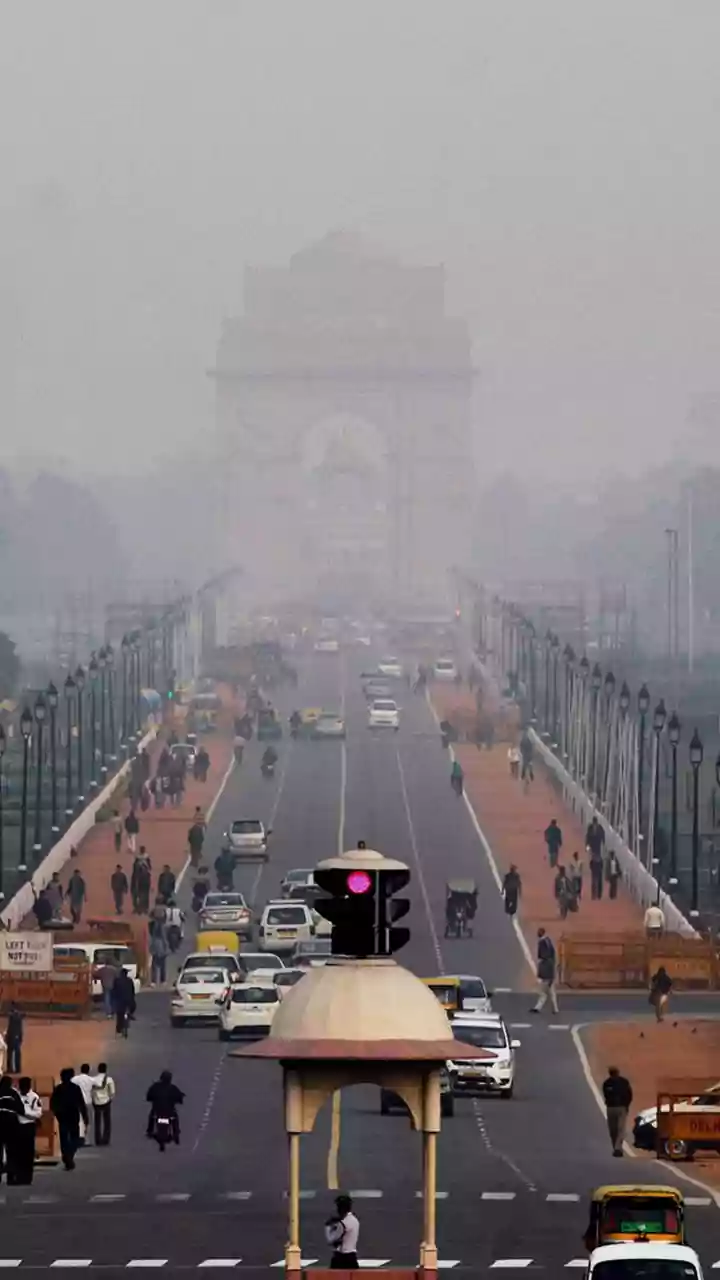
Across India, many regions experience periods of extremely low humidity. The dry winter air in northern states, the arid conditions in parts of Gujarat and Rajasthan, or even long hours spent in air-conditioned offices can be tough on the skin. This dry air actively
pulls moisture from your skin's surface, a process known as transepidermal water loss (TEWL). When your skin loses water faster than it can be replenished, its protective barrier weakens. This can lead to a host of issues, including tightness, flakiness, increased sensitivity, and a dull, lacklustre appearance. For Indian skin, which is often more prone to pigmentation, this inflammation and barrier damage can also trigger dark spots.
What is Hydration Layering?
Hydration layering is a skincare technique that involves applying multiple lightweight, water-based products in a specific sequence to build up and lock in moisture. Instead of relying on a single, heavy cream, layering provides hydration at different levels of the skin. The core principle is simple: apply products from the thinnest, most watery consistency to the thickest and most occlusive. This allows each product to be absorbed effectively without pilling or feeling heavy, creating a 'moisture sandwich' that keeps skin plump and protected all day long.
Your Step-by-Step Layering Guide
Mastering layering is all about the order of application. Following this sequence ensures each product performs its job correctly, leading to deeply hydrated, resilient skin.1. Start with a Gentle Cleanse: Begin with a mild, hydrating cleanser that removes impurities without stripping your skin of its natural oils. A 'squeaky clean' feeling is often a sign that your skin's protective barrier has been compromised.2. Apply Toner or Essence on Damp Skin: While your skin is still slightly damp, apply a hydrating toner or essence. Applying products to damp skin helps them absorb more effectively. This first watery layer acts as a primer for the rest of your routine.3. Pat in a Hydrating Serum: Next, apply a serum packed with humectants. These are ingredients that attract and bind water to the skin. A few drops patted gently over the face will provide a concentrated dose of hydration.4. Seal with a Moisturiser: This is a crucial step. A good moisturiser will not only add another layer of hydration but will also seal in the serum underneath, preventing moisture from evaporating.5. Finish with Sunscreen (AM): In the morning, sunscreen is your non-negotiable final step. It protects your skin from UV damage, which can further dehydrate the skin and degrade its barrier.
Key Hydrating Ingredients to Look For
When building your layering routine, look for products containing these powerhouse ingredients known for their hydrating and barrier-supporting properties:Hyaluronic Acid: A celebrated humectant that can hold up to 1,000 times its weight in water, drawing moisture into the skin for a plump, dewy look.Glycerin: Another effective humectant that pulls moisture into the top layer of the skin, keeping it soft and hydrated.Ceramides: These are lipids (fats) that are naturally found in the skin and are essential for a healthy skin barrier. They help lock moisture in and protect the skin from environmental irritants.Niacinamide: A form of vitamin B3, niacinamide helps strengthen the skin barrier, improve hydration, and calm inflammation.* Centella Asiatica (Gotu Kola): Known for its soothing and healing properties, this botanical ingredient is excellent for calming irritated, dry skin and reinforcing the moisture barrier.
Common Mistakes to Avoid
To get the most out of your routine, steer clear of these common errors. First, avoid applying products in the wrong order. Placing a thick cream before a lightweight serum will prevent the serum from penetrating the skin. Second, don't apply hydrating serums to completely dry skin, especially in a dry climate. Without moisture in the air to draw from, a humectant might pull water from the deeper layers of your skin, paradoxically making it drier. Finally, remember that even oily skin can be dehydrated. Skipping moisturiser can cause your skin to overproduce oil to compensate, leading to a greasy yet tight feeling. Opt for a lightweight, gel-based moisturiser to provide necessary hydration without clogging pores.