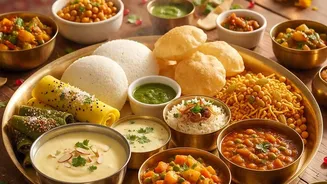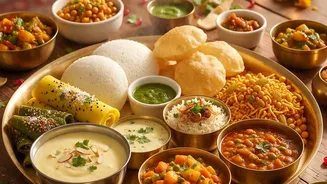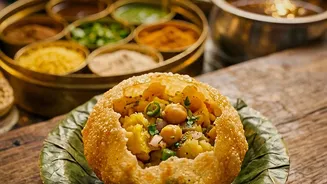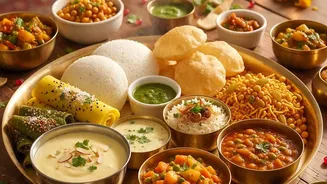

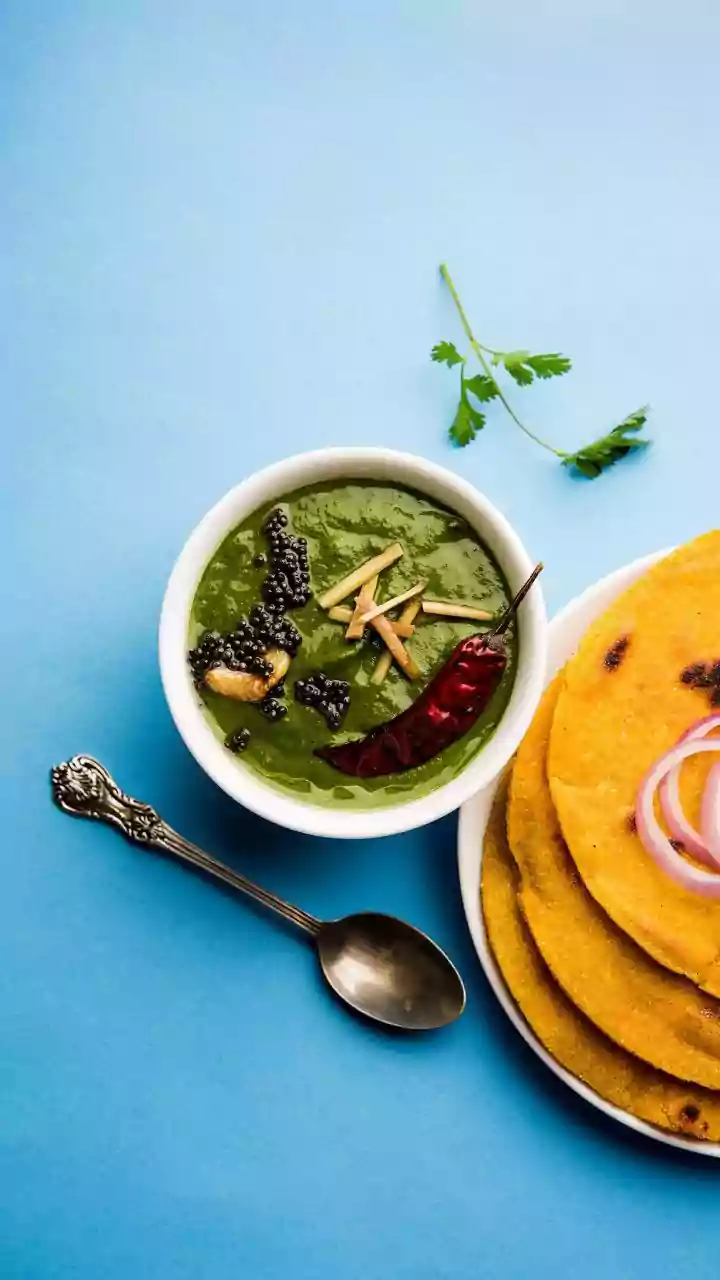
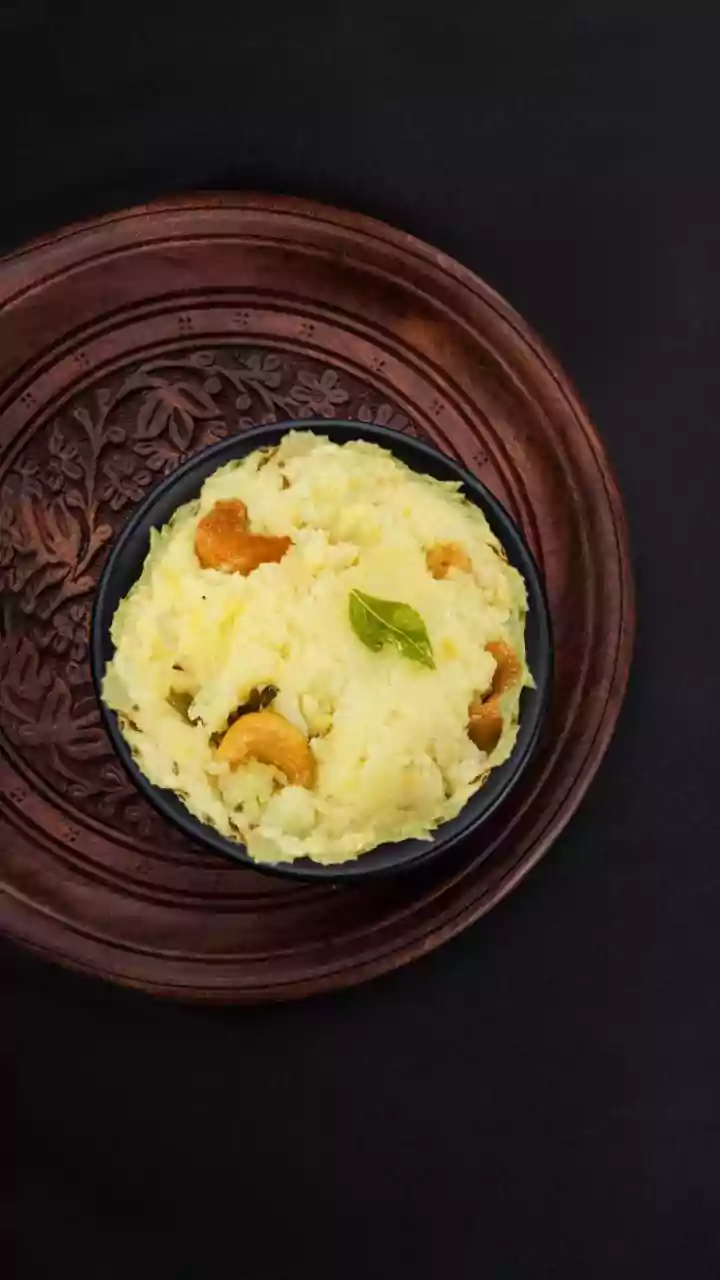
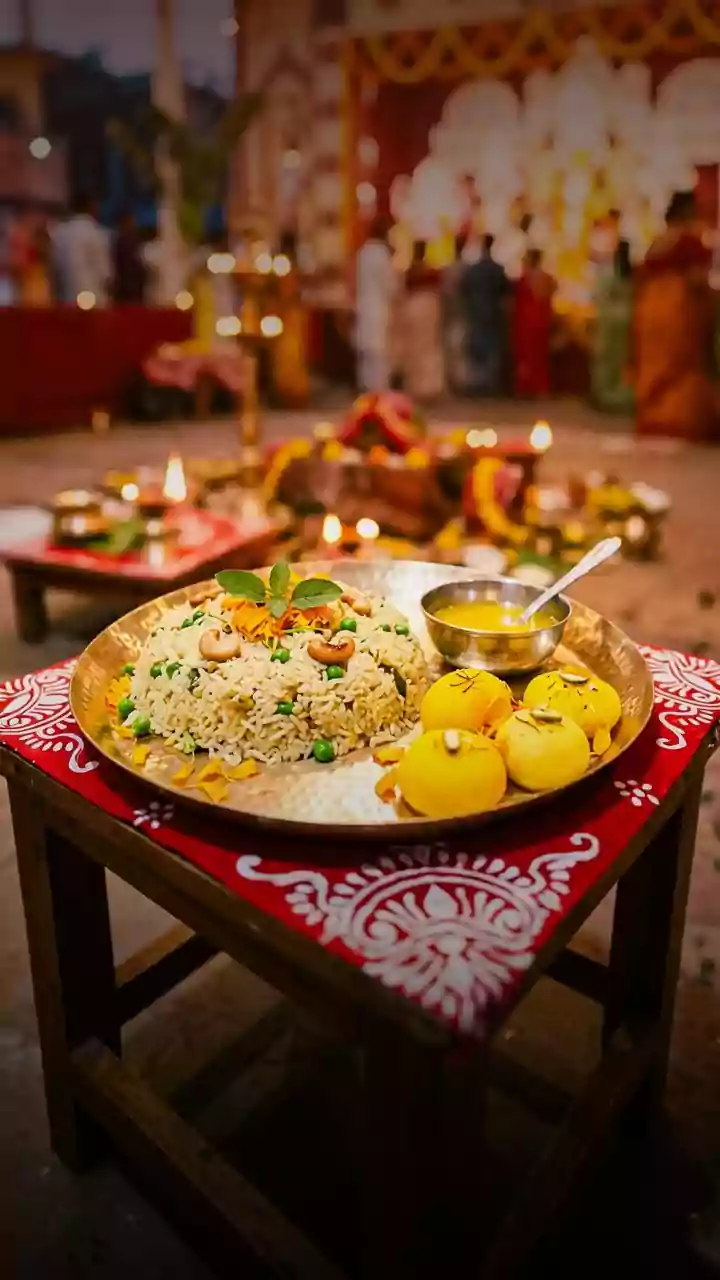
The aroma of ghee-soaked laddoos, the sight of freshly fried puris—Indian festive food is a sensory history book. But as lifestyles change, a delicious evolution is underway, blending timeless recipes with modern needs and global tastes.
Redefining the Festive Platter
For generations,
festive food in India has been a sacred ritual, a way for families to bond over shared meals and pass down edible heirlooms. Dishes like gujiya, kheer, and biryani are not just food; they are symbols of prosperity, sweetness, and community. However, the modern Indian kitchen is navigating a new reality. The future isn't about discarding these traditions but reinterpreting them. 'Thoughtful hybrid choices' refers to the conscious blending of old and new. It’s not chaotic fusion, but an intentional evolution where classic flavours meet contemporary techniques, healthier ingredients, and global influences. This results in a festive table that respects its roots while reflecting how we live today.
Health Meets Heritage
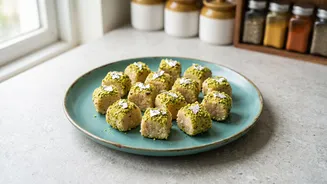
One of the biggest drivers of this change is a collective shift towards health and wellness. While festivals have always been a time for indulgence, many are now seeking a better balance. This has sparked innovation, with home cooks and chefs alike reimagining heavy classics. Think baked, not fried, samosas; laddoos made with oats and naturally sweetened with jaggery or figs; and sweets where sugar is reduced to let other flavours shine. Special diet versions of traditional mithai are also gaining popularity. This approach isn't about restriction but about making traditional foods more sustainable for modern lifestyles, allowing for guilt-free celebration without compromising on health. The use of air-fryers and steamers during festival prep is a testament to this growing trend.
Convenience for the Modern Host
In an age of demanding careers and nuclear families, spending weeks preparing elaborate festive feasts is a luxury few can afford. Convenience has become paramount. This has led to the rise of semi-prepared ingredients, smart kitchen organisation, and menus that are both impressive and manageable. It also includes embracing dishes that offer complex flavours without complex labour, like one-pot biryanis or simplified curries. The 'hybrid' choice here might be combining a meticulously homemade dal with a high-quality store-bought snack. Young couples, in particular, often create festive menus that blend regional specialities from both their families, creating a new, unified tradition that is both personal and practical.
A New Culinary Canvas
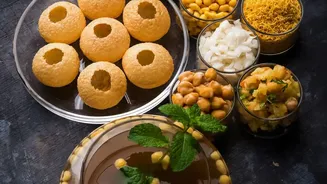
Beyond health and convenience, there is a burgeoning spirit of culinary creativity. Indian cuisine has always evolved, absorbing influences from various cultures over centuries, including Persian, Portuguese, and British. Today's hybrid choices are a continuation of that legacy. Chefs and adventurous home cooks are using the Indian flavour palette as a base for exciting new creations. We're seeing everything from paneer lasagna and masala mac and cheese to gulab jamun cheesecake and avocadostuffed pani puris. These dishes are not gimmicks; they are a tribute to the versatility of Indian spices and a reflection of a more globalised palate. They tell a new story, one where a naan can be a taco and a samosa can be a bitesized canapé for a party.