



The Search for Authenticity and Soul
For years, the ideal home was often a picture of catalogue perfection: sleek, uniform, and factory-finished. But today, homeowners are increasingly looking for more than just aesthetics; they're seeking a connection. This trend is a reaction against the impersonal
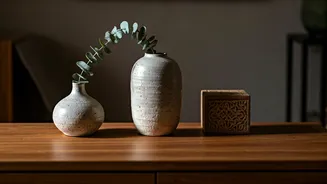
nature of mass-produced goods, which can leave a space feeling sterile. Consumers now prefer home products that tell a story. A handcrafted item, with its subtle imperfections and visible human touch, brings a unique warmth and character that a machine simply cannot replicate. These are not flaws but features, proof that an artisan’s hands have shaped the object, giving it a distinct identity in a world of cookie-cutter products.
Championing India’s Rich Craft Heritage
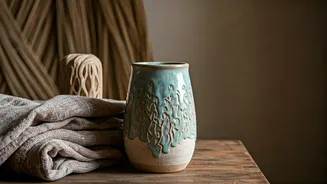
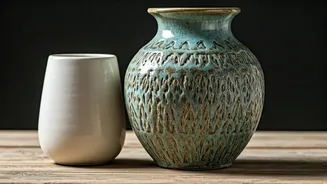
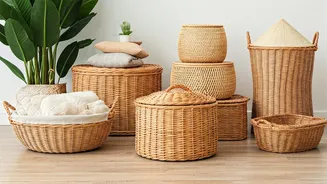
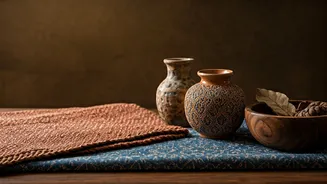
This shift is also a celebration of India’s immense cultural wealth. Choosing handcrafted decor is a conscious decision to support local artisans and preserve centuries-old traditions that are at risk of fading away. From the intricate Madhubani paintings of Bihar to the iconic blue pottery of Rajasthan and the delicate cane craftsmanship of Kerala, each piece is a slice of heritage. Brands and consumers alike are recognising the value in this, fostering a revival of authentic Indian crafts. This movement empowers artisan communities, particularly women in rural areas, providing them with sustainable livelihoods while ensuring their invaluable skills are passed down through generations.
Sustainability as a Style Statement
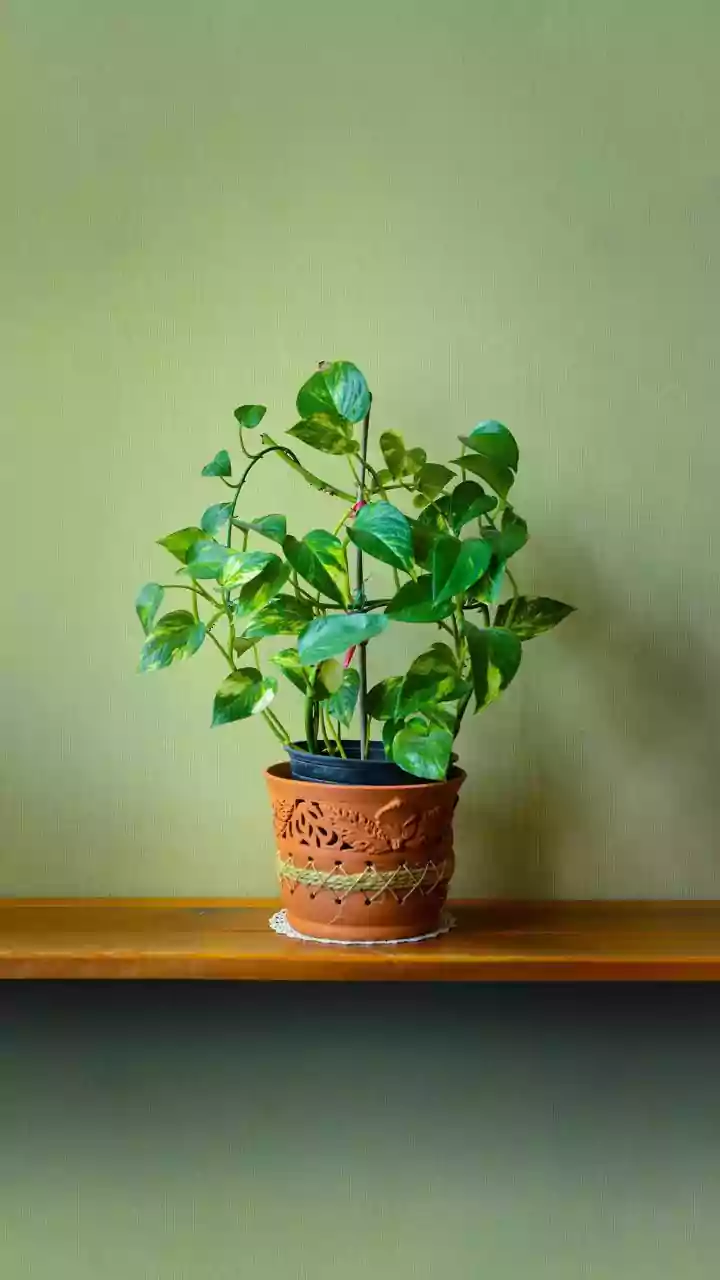
Environmental consciousness is no longer a niche concern but a major driver of consumer choice. Handcrafted goods often have a much lower carbon footprint compared to industrial manufacturing. Artisans typically use locally sourced, natural, and biodegradable materials like reclaimed wood, bamboo, jute, and clay. This commitment to eco-friendly production resonates deeply with modern buyers who are increasingly aware of the environmental impact of their purchases. Opting for a handwoven sabai grass basket or a terracotta planter is not just a design choice; it's a vote for a more sustainable and ethical way of living.
How to Weave Tradition into a Modern Home
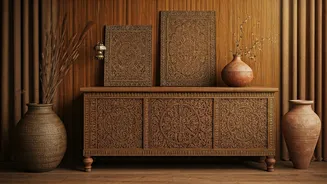
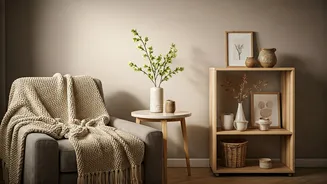
Incorporating artisanal pieces doesn't mean your home has to look like a museum. The key is balance. The 2026 trend is not about heavy, ornate objects but about selective, mindful integration. A single, striking handcrafted item can become the focal point of a minimalist room. Think of a beautifully carved wooden panel against a clean wall, a pair of Dhokra brass sculptures on a bookshelf, or vibrant, block-printed cushions on a modern sofa. The idea is to mix and match, allowing the unique texture and warmth of the handmade item to complement contemporary furniture and clean lines, creating a space that feels both current and timeless.