
Seeing a leopard on a city street or a monkey by a metro station can be jarring, but it’s becoming more common. Across India and the world, wild animals are learning to navigate our concrete jungles, turning them into their new natural habitat.
The City as a New Ecosystem
As cities
expand, they transform natural landscapes, but they don't entirely erase them. For a growing number of species, the urban world is not a barren wasteland but a new kind of ecosystem ripe with opportunity. Cities offer abundant sources of food from our waste, water from leaky pipes and drains, and shelter in abandoned buildings, parks, and under bridges. This process, called synurbization, describes how certain animals adapt their behaviour to thrive alongside dense human populations. While many species struggle with habitat loss, resilient generalists—those who can eat a variety of foods and live in different conditions—are finding that cities can provide a surprisingly reliable, year-round buffet.
Survival of the Bold and Brainy
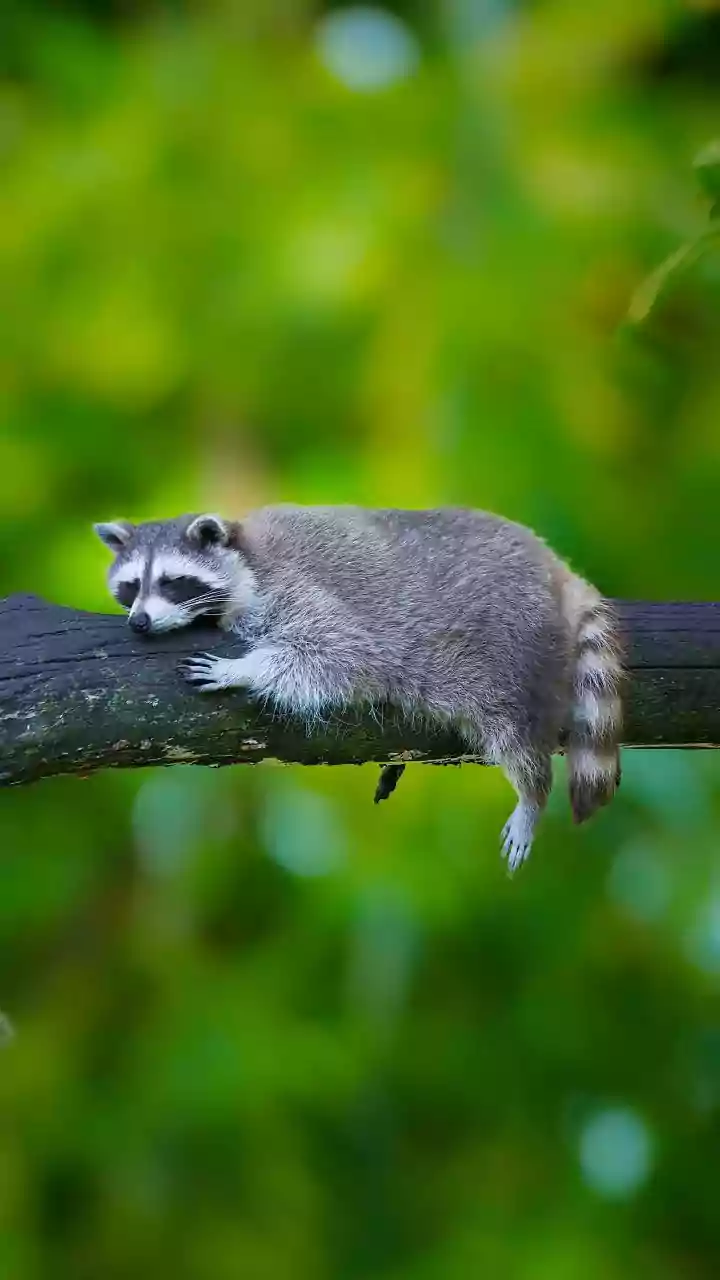
Not every animal is cut out for city life. Success often comes down to personality and intelligence. Urban survivors tend to be bolder, less fearful of humans, and better at problem-solving. Raccoons, famous for their ability to open rubbish bins, are a classic example of urban intelligence at work. Crows and other corvids have shown remarkable cognitive skills, learning to use traffic to crack nuts and remembering the faces of friendly or hostile humans. Birds in noisy cities have even been observed changing the pitch of their songs to be heard over the low-frequency rumble of traffic. This behavioural flexibility is crucial, as it allows animals to learn, innovate, and pass survival tricks down to their offspring.
A Nocturnal Life and a New Diet
One of the most common adaptations is a shift in schedule. To avoid the stress and danger of interacting with people, many urban animals become more active at night. This allows them to use our infrastructure, like roads and railway lines, as travel corridors when human activity is low. Diet is another major area of change. While their rural cousins hunt or forage for natural foods, city dwellers often become expert scavengers. Red foxes in cities have expanded their diet to include discarded food from bins, while coyotes now prey on pets in some areas. This switch to anthropogenic (human-provided) food is a key strategy for survival in the concrete jungle.
The Indian Experience: Leopards and Macaques
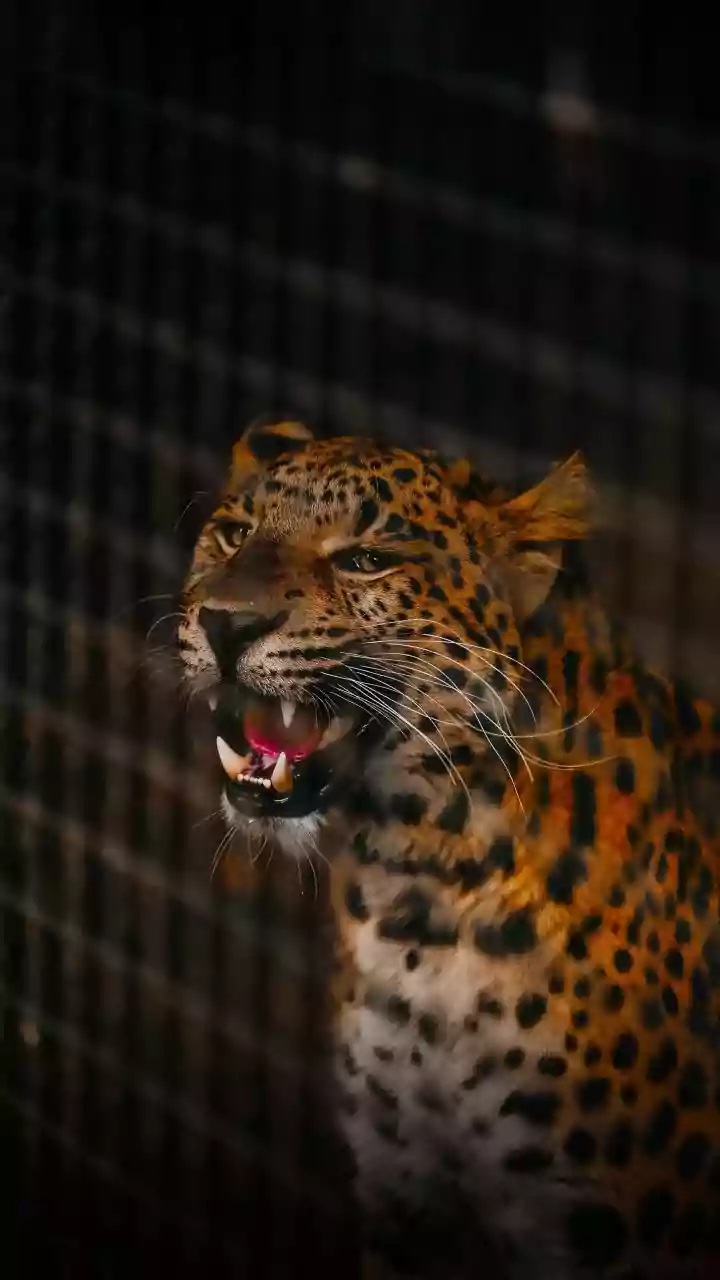
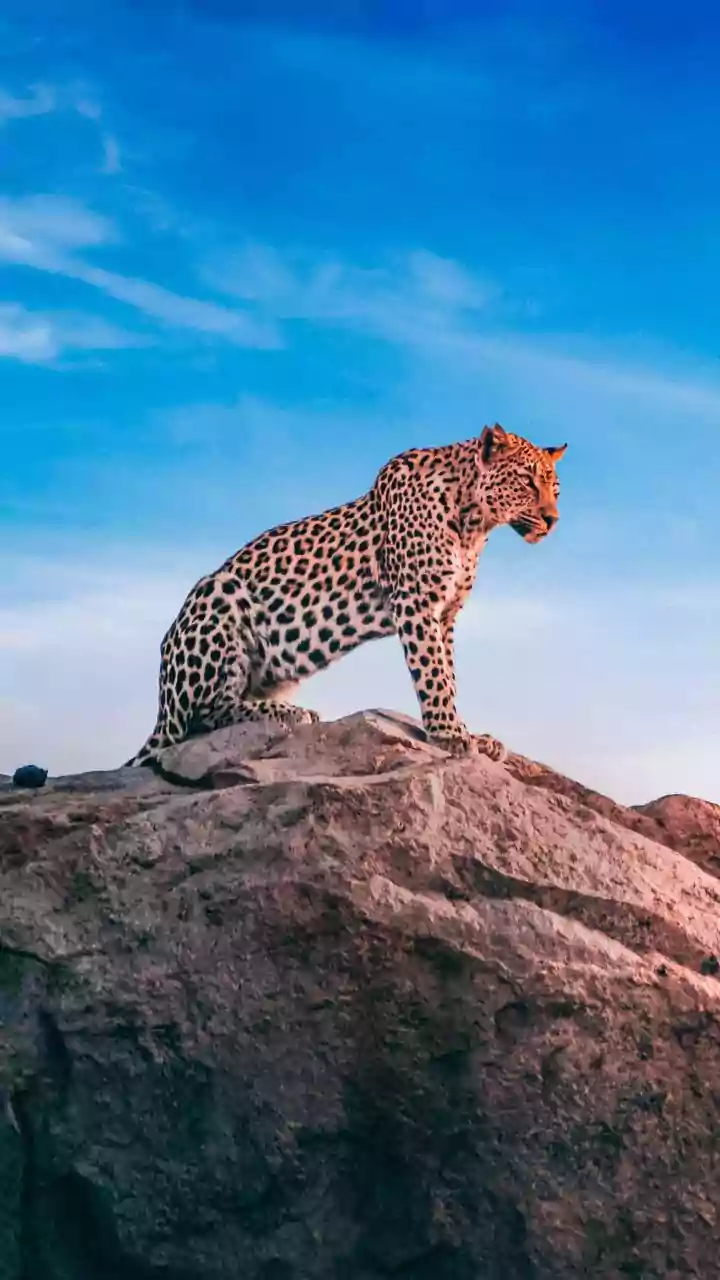
India offers some of the most dramatic examples of urban adaptation. In Mumbai, a thriving population of leopards coexists with one of the world's densest human populations. Centred around Sanjay Gandhi National Park, these apex predators have adapted by becoming largely nocturnal, using the cover of darkness to navigate the city's edge. Their diet has also shifted to include abundant prey like stray dogs. In Delhi, rhesus macaques have long been part of the urban fabric, viewing the city as their domain. While revered in Hinduism, their adaptation has led to conflict, as they lose their fear of humans and become dependent on being fed, leading to increased aggression. These cases highlight the complex balance between coexistence and conflict.
Are Cities Driving Evolution?
The changes we see are not just behavioural; they might be evolutionary. The unique pressures of urban life can drive rapid genetic shifts. For example, some studies have found that urban house sparrows have developed shorter, stronger beaks better suited for cracking open processed grains and other human food scraps, compared to their rural counterparts. Other researchers suggest that the constant need to solve new problems and navigate a complex, ever-changing environment might be selecting for animals with bigger brains and greater cognitive flexibility. While more research is needed, it’s clear that our cities are acting as powerful engines of natural selection, shaping the future of the animals that live within them.