


What Defines a Vintage Fudge Cake?
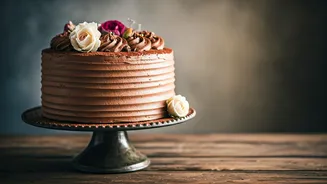
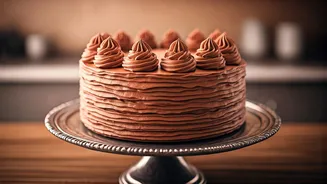
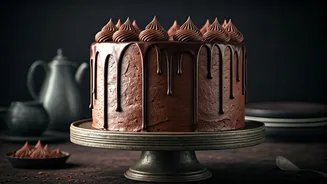
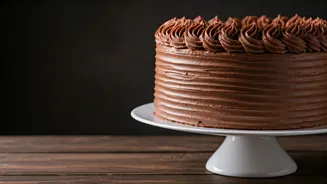
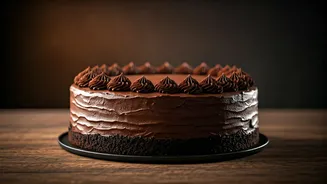
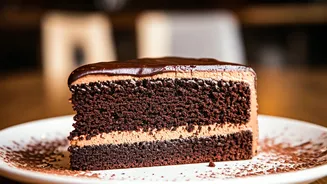
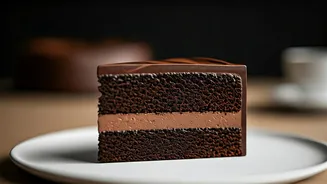
Forget mirror glazes and complex fondant sculptures. The vintage fudge cake is all about substance over style, though its classic charm is a style in itself. At its core, it is a dense, moist, and deeply chocolatey cake. Its texture is rich and satisfying
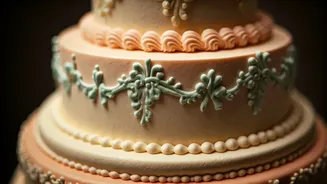
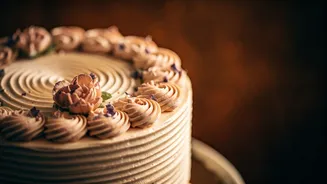
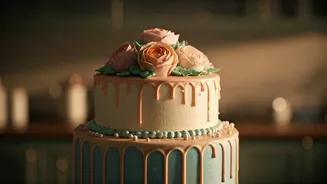
in a way that often feels more authentic and homemade than modern, airy sponges. The frosting is equally important; rather than a light, whipped cream, it’s typically a rich buttercream or a true fudge frosting, made by cooking sugar, butter, and cocoa to create a decadent, melt-in-your-mouth topping. The decoration is also a throwback, often featuring ornate and intricate piping with swirls, shells, and frills, reminiscent of cakes from a bygone era seen in old family albums or classic storybooks.
A Craving for Comfort and Nostalgia
So, why the sudden resurgence? The trend appears to be driven by a powerful craving for nostalgia and comfort. In an increasingly digital and fast-paced world, there's a collective turn towards things that feel familiar and emotionally resonant. Chefs and food experts note that old-school dishes are making a comeback because they evoke positive emotions and food memories. For many, the simple, honest flavour of a fudge cake recalls childhood celebrations, a grandmother’s baking, or simpler times. This emotional connection is a powerful driver, making the cake more than just a dessert—it's an experience. The trend has been amplified by social media, where the 'camera eats first' culture has ironically embraced this retro aesthetic. Platforms like Instagram are flooded with images of these beautifully piped, classic cakes, driven by Gen Z's appreciation for all things aesthetically pleasing.
From Home Bakers to High-End Pâtisseries
The demand isn't just a niche phenomenon. It spans from home bakers perfecting generations-old family recipes to professional pâtisseries and bakery chains adding vintage-style cakes to their menus. Bakeries in major cities like Bengaluru and the NCR are reporting a significant uptick in orders for these classic designs. Simar Manchanda, co-founder of the bakery chain Fleurons, notes receiving 10-15 orders for vintage cakes daily for various celebrations. Joonie Tan, chief pastry artist at Lavonne Cake Studio in Bengaluru, recounts receiving six orders for the exact same vintage cake design in a single day, highlighting its viral popularity. This broad appeal shows that the trend has serious commercial legs, moving beyond a fleeting social media moment into a profitable menu staple.
The Modern Twist on a Classic
While the soul of the vintage fudge cake lies in its classic execution, modern bakers are also putting their own subtle spins on it. The core recipe—often involving buttermilk to ensure a moist crumb and good quality cocoa for a deep flavour—remains largely untouched. However, some bakers are experimenting with high-quality ingredients like Belgian chocolate or creating variations with butterscotch and caramel. Even the aesthetic, while vintage, is being adapted. So-called 'coquette cakes', which are vintage-style cakes adorned with satin bows, are becoming particularly popular. The most popular shapes are hearts, squares, and traditional rounds, providing a simple canvas for the elaborate buttercream piping that defines the style. This willingness to adapt while preserving the cake's nostalgic essence is key to its staying power.