





Why a Calendar is Your Best Tool
Instead of waiting for a tenant to call about a major leak or a broken appliance, a maintenance calendar puts you in control. The logic is simple: catching small issues early is always cheaper and easier than fixing a full-blown crisis. Regular, scheduled
upkeep preserves your property's value, enhances safety, and builds a positive relationship with your tenants, leading to lower turnover. A well-maintained property is also more attractive to potential renters. Think of it as a series of small check-ups rather than emergency surgery. For most properties, a quarterly inspection schedule is a realistic and effective approach.
Your Year-Round Maintenance Plan
India's distinct seasons demand a tailored approach to home care. A yearly plan broken down by season ensures you're tackling the right tasks at the right time, from preparing for the summer heat to fortifying your property against the monsoon rains. This structure makes the otherwise daunting task of property management feel organised and achievable. While landlords are typically responsible for major structural repairs, tenants are often responsible for minor upkeep, so a clear plan helps everyone understand their role.
Summer Prep (March - May)
As temperatures rise, the focus shifts to cooling and ventilation systems. These small checks can prevent system failures during peak heat.
- Service Air Conditioners: Before the heat becomes intense, have all AC units professionally cleaned and serviced. Clogged filters reduce efficiency and increase electricity bills.
- Check Fans and Exhausts: Ensure all ceiling fans, exhaust fans, and chimneys are clean and functioning properly. Dust buildup can be a fire hazard and reduce performance.
- Inspect the Refrigerator: Pull the fridge away from the wall and clean the condenser coils. This helps the appliance run more efficiently.
- Look for Sun Damage: Check wooden doors, window frames, and outdoor furniture for cracks or peeling paint caused by harsh sun. A quick coat of sealant can prevent further damage.
Pre-Monsoon Fortification (June - September)
This is arguably the most critical maintenance period for any Indian property. Preventing water damage is the primary goal.
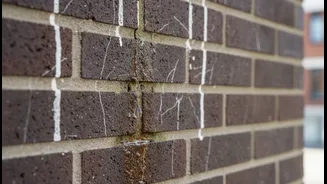
- Inspect the Roof and Walls: Check for any cracks in the roof slabs or exterior walls and have them sealed immediately. This is a primary entry point for water.
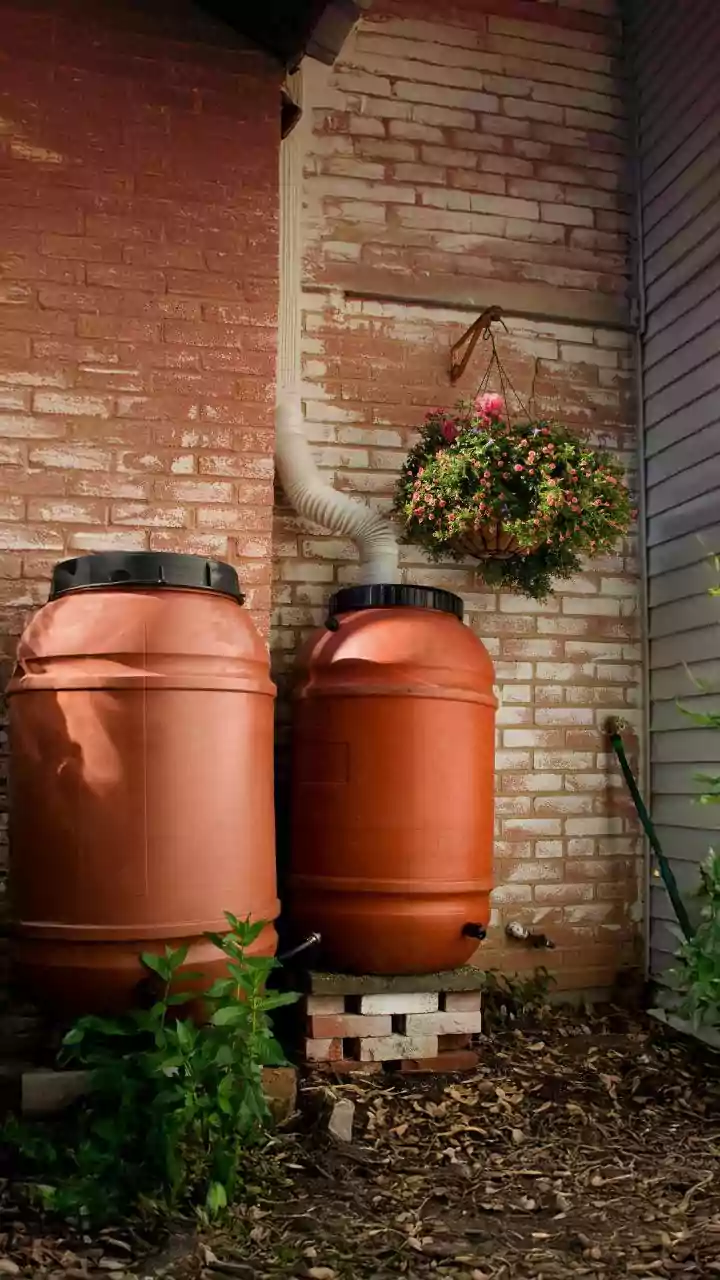
- Clear Gutters and Drains: Remove all debris from rooftop gutters, downpipes, and property drains. Blocked drainage is a leading cause of leaks and flooding.
- Check Windows and Doors: Ensure that all window and door seals are intact to prevent water from seeping in during heavy rain.
- Trim Overgrown Trees: Cut back any branches that are close to the house or hanging over the roof. This prevents damage from falling limbs during storms and discourages pests.
- Schedule Pest Control: The dampness of monsoon season encourages pests. A pre-season pest control service is a wise investment.
Post-Monsoon Recovery (October - November)
Once the rains subside, it's time to assess and repair any damage.
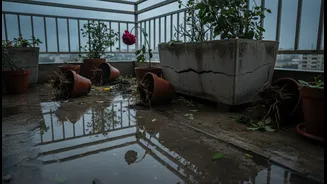
- Check for Leaks and Dampness: Thoroughly inspect interior walls and ceilings for any signs of water seepage, mould, or mildew. Address these issues immediately to prevent long-term structural damage and health hazards.
- Test Electrical Systems: Moisture can affect electrical wiring. Test all outlets, switches, and circuit breakers to ensure they are safe and functional. Have an electrician look at any issues.
- Deep Clean the Property: After months of humidity, a deep cleaning helps air out the property and addresses any lingering dampness or musty odours. This is also a good time to deep clean water tanks.
- Repair Exterior Damage: Look for any damage to paint, plaster, or outdoor structures caused by the heavy rains and schedule repairs.
Winter Readiness (December - February)
In most of India, winter is milder, making it an ideal time for general repairs and interior work.
- Service Water Heaters: Before the cooler weather sets in, have all geysers and water heaters inspected and serviced to ensure they are working efficiently and safely.
- Inspect Plumbing: Winter is a good time for a thorough plumbing check. Look for minor drips from taps or underneath sinks. Fixing a small leak can save a significant amount of water over time.
- Check Insulation and Drafts: In regions with colder winters, check windows and doors for drafts and seal any gaps. This improves energy efficiency.
- Test Smoke and Carbon Monoxide Detectors: Ensure all safety detectors have fresh batteries and are in good working order.