








A Legacy Forged in History
Belgium's connection to chocolate dates back to the 17th century when the region, then under Spanish rule, was introduced to cocoa beans from the Americas. Initially a luxurious drink for the nobility, its popularity grew, but the industry truly expanded
in the 19th century. The massive influx of cocoa from the Belgian Congo, a difficult colonial history notwithstanding, made chocolate more accessible and cemented its place in the nation's culture. By the early 20th century, Belgium was on its way to becoming a global leader in chocolate production, setting the stage for a lasting legacy of quality.
The Invention That Changed Everything
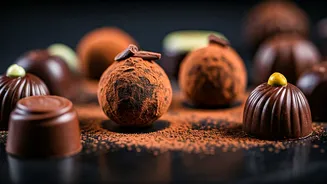
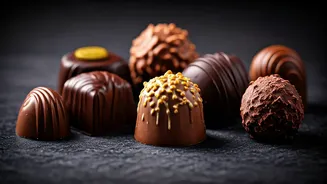
The true turning point came in 1912 from a completely unexpected place: a Brussels pharmacy. Jean Neuhaus, a pharmacist who initially coated medicines in chocolate to make them more palatable, had a grandson, Jean Neuhaus Jr., who took the idea one step further. Instead of medicine, he filled a hollow chocolate shell with a soft, sweet ganache or cream, creating the world's first 'praline'. This single invention was revolutionary, transforming chocolate from a simple bar into a delicate, sophisticated confection. To protect these new creations, Neuhaus's wife, Louise Agostini, designed the 'ballotin' in 1915, the iconic decorative box still used today to present these edible jewels.
The Uncompromising Rules of Quality
What truly sets Belgian chocolate apart are the stringent, albeit often voluntary, standards of production. A key rule is the mandatory use of 100% pure cocoa butter. While other countries may allow the use of vegetable fats, Belgian artisans stick to pure cocoa butter, which provides a superior flavour and a signature melt-in-your-mouth texture. Furthermore, the chocolate undergoes an exceptionally fine grinding process, resulting in a particle size so small it creates a remarkably smooth mouthfeel. An industry-led "Belgian Chocolate Code" helps protect this reputation, stipulating that for a product to be called "Belgian chocolate," the refining, mixing, and conching must occur within Belgium.
A Living, Evolving Tradition
Today, Belgium's chocolate legacy is not just preserved in museums; it's a dynamic and innovative industry. The country is home to some of the world's largest chocolate factories, like Barry Callebaut in Wieze, but also a vast network of small, independent chocolatiers who continue to push boundaries. These artisans blend tradition with creativity, introducing new and exotic flavour combinations while respecting the foundational techniques. Modern trends see a focus on sustainability, with many producers committed to ethically sourced cocoa, as well as a growing market for premium, high-cocoa, and even dairy-free options to meet evolving consumer tastes.