







From Pantry Car to Food App
For decades, the Indian train travel experience was inseparable from the pantry car. The options were often limited, the quality inconsistent, and hygiene a constant worry. Passengers either relied on these set menus, packed dabbas from home, or gambled
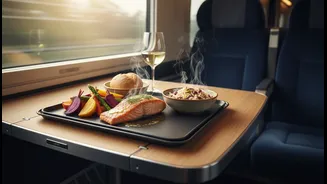
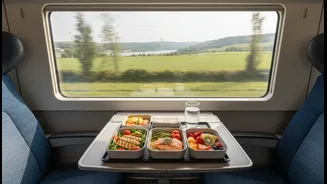
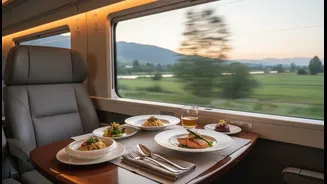
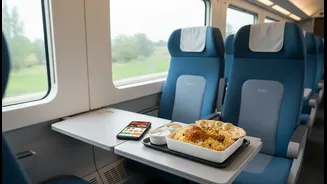
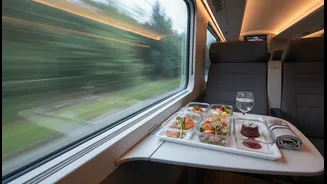
on vendors at crowded platforms. But now, a digital revolution is unfolding on the tracks. The introduction of e-catering services, pioneered by IRCTC and expanded by numerous food tech aggregators, has fundamentally altered the system. Instead of a single, monopolistic kitchen on wheels, passengers now have a choice, transforming a journey's necessity into a genuine dining experience.
The Tech Behind the Takeaway
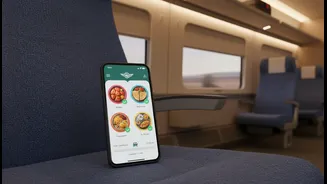
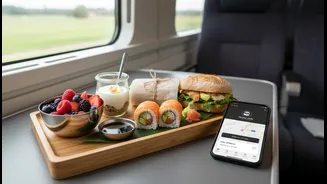
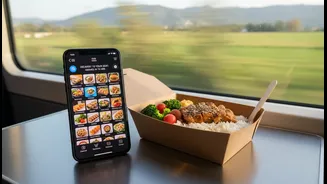
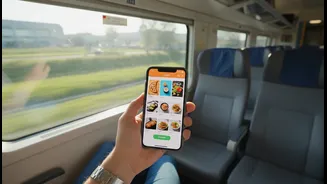
So, how does a hot meal find you on a moving train? The system is surprisingly simple and built around your PNR number. Using official apps like IRCTC's 'Food on Track' or authorized partner platforms like Zoop, RailRestro, and now even Swiggy, you enter your 10-digit PNR. The app uses this to identify your train, coach, and seat, and then shows you a list of restaurants at upcoming stations on your route. You choose your meal, select a delivery station, and pay online or opt for cash on delivery. The restaurant prepares the food to be ready just as your train arrives, and a delivery person brings it directly to your berth. Real-time train tracking is used to manage logistics, especially in the case of delays.
Why Now? The Recipe for Success
The rapid rise of train food orders is no accident. It’s a mix of widespread smartphone adoption, affordable data, and a generation of young travelers who expect convenience and choice. Digital payment platforms have made transactions seamless. Furthermore, there is a heightened awareness around food hygiene, making FSSAI-certified restaurants an attractive alternative to unregulated vendors. Food aggregators have reported huge growth, with some seeing a threefold increase in orders year-on-year. The service is proving especially popular with students and is even introducing digital payments to first-time users in smaller towns. During the recent summer travel season, multi-station orders, where passengers book meals for several stops on their journey, surged by over 300%.
A Nation's Cravings on a Plate
What are people eating on trains? While you can get pizzas and burgers, the data shows a strong preference for familiar, comforting Indian meals. In the summer of 2026, travelers ordered over 4 lakh rotis, making it a top item. Masala Dosa, Aloo Paratha, and the classic McAloo Tikki Burger also feature on the most-ordered list. For non-vegetarians, Chicken Biryani remains the undisputed king of train journeys. The orders also reflect regional tastes, with dosas popular in the south and biryani dominating in areas like Vijayawada. The summer heat also saw a massive spike in orders for cold beverages like soft drinks, lassis, and especially mango shakes.
Bumps on the Track
The system isn't without its challenges. The biggest hurdle is logistics, especially when trains are delayed. Coordinating a fresh, hot delivery to a train that might be several hours late is a complex puzzle for both restaurants and delivery partners. Internet connectivity can also be patchy in remote areas, making it difficult to place last-minute orders. Additionally, the short halt times at many stations put immense pressure on delivery staff to find the right coach and passenger in just a few minutes. Despite these issues, the platforms are constantly evolving, using technology to better manage delays and expand their network to ensure a smoother experience for passengers.