


The Science of a Softer Bite
The magic of a curd marinade lies in one key component: lactic acid. Unlike the harsher acids found in vinegar or lemon juice, lactic acid is gentle. It works by slowly breaking down the tough proteins and muscle fibres in meat. This process, known as
denaturation, unfolds the protein structure, creating gaps that allow the meat to hold more moisture. The result is chicken or mutton that becomes exceptionally tender and juicy when cooked, rather than turning mushy or tough, which can happen with more aggressive acids. The calcium in curd also helps activate enzymes within the meat that further contribute to this tenderizing effect.
A Carrier for Flavour
Beyond just tenderizing, curd is an excellent vehicle for flavour. Its thick consistency acts like a glue, helping spices, ginger, garlic, and herbs cling to the surface of the meat or paneer. This ensures a more even and flavourful coating that doesn’t just slide off. As the lactic acid opens up the meat's protein structure, it also allows these aromatic spice compounds to penetrate deeper, infusing the ingredient with flavour from the inside out. Furthermore, the curd itself adds a subtle, pleasant tang that balances the richness of the meat and the warmth of the spices.
The All-Important Char
That beautiful, slightly charred crust on a perfectly cooked kebab is another benefit of a curd marinade. When exposed to the high heat of a tandoor, grill, or pan, the milk solids and proteins in the curd undergo the Maillard reaction and caramelization. This creates a delicious, browned crust that seals in juices and adds a complex, smoky flavour. A well-made curd marinade forms a protective layer, preventing the exterior from drying out or burning too quickly, ensuring the inside remains moist while the outside gets that signature char.
Not All Curd is Created Equal
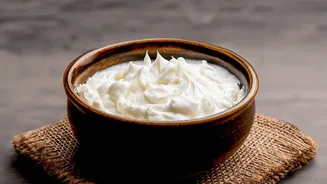
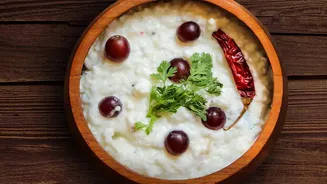
For the best results, the type of curd you use matters immensely. The secret to nearly every great tikka or kebab is hung curd, or 'chakka dahi'. Hung curd is simply regular dahi that has been strained in a muslin cloth to remove excess whey (the watery part). This process results in a thick, creamy curd that is almost like Greek yogurt. Using hung curd is critical because its low water content prevents the marinade from becoming runny. A watery marinade will slide off and cause the ingredients to steam rather than roast, preventing a good char. A thick, hung curd marinade clings to the food, creating a substantial coating that holds the spices and browns beautifully.
Common Marinade Mistakes to Avoid
To get the most out of your marinade, steer clear of these common pitfalls. First, avoid using very watery or low-fat curd; it won't adhere properly and lacks the richness to carry flavours. Second, don't marinate for too long. While curd is gentle, leaving chicken in the marinade for more than 24 hours can still negatively affect its texture, making it stringy. For boneless chicken, 2-4 hours is often sufficient, while bone-in pieces can go for 4-8 hours. Paneer requires even less time, typically 30 minutes to two hours, as over-marinating can make its surface too soft. Finally, don't rinse the marinade off before cooking; you'll wash away all the flavour. Simply shake off any excess before placing it on the heat.