





The New Age of Digital Threats
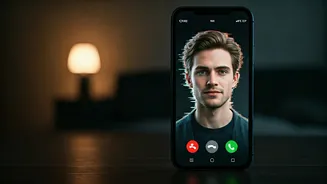
The online world is full of risks that have evolved far beyond suspicious emails with typos. Today, cybercriminals use Artificial Intelligence (AI) to launch sophisticated attacks that are harder to spot. They can clone a loved one's voice from a short
audio clip to create a fake emergency and ask for money. They can also generate 'deepfake' videos of executives authorising fraudulent payments or create hyper-personalised emails that look identical to those from your bank or workplace. These AI-powered scams are designed to exploit trust and create a sense of urgency, bypassing our natural skepticism. The rapid rise of these technologies means that constant vigilance and a new set of security habits are no longer optional, but essential for everyone.
Upgrade Your Password Strategy
The advice to "use a strong password" is outdated. In an era where data breaches are common, the real first line of defence is using a unique password for every single one of your important accounts. Reusing passwords across your email, banking, and social media means that if one account is compromised, all of them are vulnerable. Remembering dozens of complex passwords is not practical. The modern solution is to use a reputable password manager. These tools generate and store long, random passwords for all your sites, requiring you to remember only one master password. This single change drastically improves your security posture, effectively shutting the door on the most common method criminals use to take over accounts.
Enable Multi-Factor Authentication (MFA)
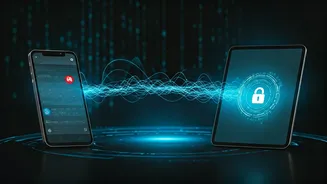
If you do only one thing after reading this guide, it should be to enable multi-factor authentication (also known as two-factor or 2FA) on all your critical accounts. MFA adds a crucial second layer of security that protects you even if a criminal steals your password. When you log in, you'll need to provide a second piece of proof that it's you, typically a code from an authenticator app on your phone or a biometric scan. This single step is one of the most effective ways to block unauthorised access to your email, banking, and social media accounts. While receiving a code via SMS is better than nothing, cybersecurity experts recommend using dedicated authenticator apps, which are more secure against phone-based scams.
Think Before You Click, Share, or Connect
Social engineering attacks, which manipulate human psychology, remain a top threat. Be extremely cautious of any message—email, SMS, or WhatsApp—that creates urgency or fear, pressuring you to click a link or provide information immediately. Scammers often impersonate banks, e-commerce sites, or government agencies. Before clicking, always verify the sender. When it comes to social media, limit the amount of personal information you share publicly. Details like your date of birth, hometown, or pet's name are often used by criminals to guess passwords or answer security questions. Finally, be wary of public Wi-Fi. Avoid using it for sensitive transactions like banking; switch to your mobile data instead, as attackers can intercept data on unsecured public networks.
Maintain Your Digital Health
Good cybersecurity is like good physical health—it requires consistent, proactive habits. One of the most important is keeping your software updated. Updates for your phone, computer, and apps often contain vital security patches that fix vulnerabilities discovered by researchers. Enabling automatic updates is the easiest way to ensure you're always protected. Regularly back up your important data to a separate location, like an external hard drive or a secure cloud service. This ensures that even if your device is compromised by ransomware, your precious files and photos are not lost forever. Making these practices part of your routine turns cyber safety from a chore into a simple, effective part of your digital life.