




A New Culinary Confidence
For years, 'fusion' in India often meant Hakka noodles or Schezwan dosa—beloved, but predictable. Today's movement is different. It’s less about creating a new hybrid cuisine and more about confidently asserting that Indian flavours can elevate any dish.
This new wave of culinary creativity sees chefs in Mumbai, Delhi, and Bengaluru dissecting global staples and reimagining them with the complexity and aroma of Indian masalas. The result is a menu that feels both adventurous and deeply familiar, catering to a well-travelled Indian palate that craves novelty but is rooted in local tastes. It’s a sign of a mature food scene, where Indian ingredients are not just for Indian food anymore; they are global players.
Beyond Garam Masala and Turmeric
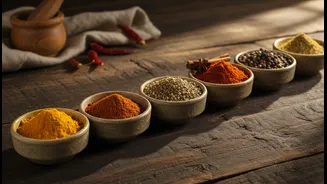
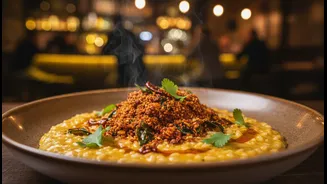
While staples like turmeric have found global fame in everything from smoothies to lattes, this trend goes much deeper into India’s spice cabinet. Chefs are moving beyond the all-purpose garam masala and exploring the unique profiles of regional and specialised spice blends. Imagine a fiery Goan cafreal masala used as a rub for grilled chicken tacos, or the fragrant, slightly sweet goda masala from Maharashtra stirred into a mushroom risotto. In some contemporary kitchens, you might find the five-spice punch of Bengali panch phoron tempering a vegetable stew destined for a vol-au-vent, or the tangy, savoury notes of chaat masala sprinkled over avocado toast. It's about using these complex blends with precision to add a surprising yet harmonious layer of flavour.
On the Menu: From Ramen to Risotto
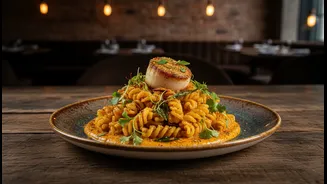
The proof, as they say, is in the pudding—or in this case, the pasta. In cities like Mumbai and Bengaluru, menus are becoming playgrounds for cross-cultural flavour pairings. One restaurant might offer a Tambda Rassa Ramen, where the fiery Kolhapuri mutton curry base is transformed into a rich, soulful Japanese noodle soup. Another might present a Khandvi Cannelloni, elegantly rolling the Gujarati gram flour snack into the form of an Italian classic. We're seeing everything from jackfruit roast served in Kerala-style coin paratha tacos to podi-dusted idlis sharing a breakfast menu with cinnamon jaggery pancakes. These dishes work because they respect the integrity of both cuisines; the Indian spices enhance the global dish without overpowering it.
The Philosophy of Flavour
What’s driving this creative explosion? For many chefs, it's a desire to showcase the incredible versatility of Indian spices, which have historically been pigeonholed. This movement aims to prove that these flavours can be subtle, refined, and adaptable. It’s also a response to the evolving Indian diner, who is more curious and open to experimentation than ever before. By blending the comfort of Italian pasta or a Mexican taco with the familiar kick of a regional Indian masala, restaurants create dishes that are both exciting and accessible. It’s a smart way to innovate, celebrating local heritage while participating in a global culinary conversation. The focus is on balance—harmony between heat, aroma, sweetness, and earthiness that is the hallmark of Indian cooking.
The Future is Flavorful
This trend isn't just about adding a dash of spice; it represents a fundamental shift in how we view ingredients and culinary boundaries. As Indian chefs continue to gain international acclaim, their confidence to experiment on their own terms has grown. They are no longer just cooking for a Western palate but are defining a new, modern Indian gastronomy that is global in its outlook but distinctly Indian in its soul. This fusion is a two-way street, with global techniques like sous-vide and modernist presentations also being used to refine and elevate traditional Indian dishes. The result is a vibrant, dynamic dining scene where the next exciting flavour combination could come from anywhere, seasoned with a story that is proudly Indian.