



The Peril of Popularity
For decades, the goal was simple: get more people to visit. Tourism was seen as a golden ticket for economic growth, and archaeological sites were prime attractions. But that success has curdled into a formidable threat known as over-tourism. When thousands
of feet tread on ancient stones daily, when the breath and touch of crowds degrade delicate surfaces, the damage is slow but relentless. Sites like Peru's Machu Picchu and Cambodia's Angkor Wat have faced such intense visitor pressure that authorities have been forced to implement daily caps and restrict access to certain areas just to give them a chance to breathe. The problem isn't just physical degradation. Overtourism often leads to the commercialization of heritage, where the authentic culture that made a place special is diluted by a wave of souvenir shops and tourist-focused services, eroding the very soul of the destination. It strains local infrastructure, drives up the cost of living for residents, and can turn a place of reverence into a crowded, stressful experience.
A Changing Climate, A Vanishing Past
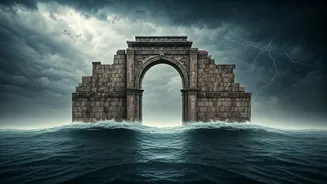
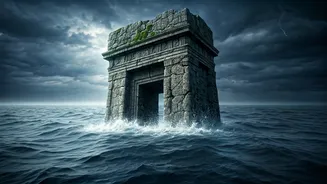
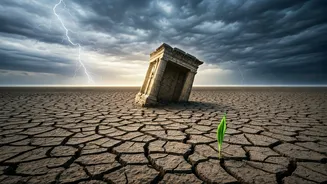
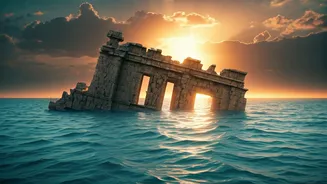
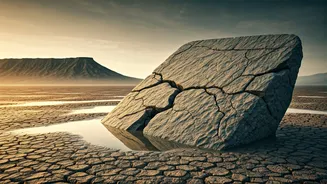
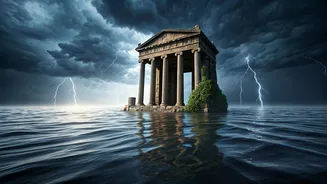
An even more insidious threat operates on a global scale: climate change. The world's heritage is not immune to the planet's rising temperatures and increasingly erratic weather. In India, iconic monuments that have stood for centuries are showing signs of strain. The Taj Mahal has reported damage from heavy rainfall, while coastal sites like the Sun Temple at Konark and the Shore Temple in Tamil Nadu are vulnerable to rising sea levels and cyclones. It’s a worldwide crisis. Unprecedented rainfall threatens mud-brick architecture in desert regions, melting glaciers destabilise Himalayan pilgrimage routes, and increasingly frequent flooding endangers low-lying historical centres like Venice. These extreme weather events don't just chip away at stone and wood; they threaten to erase entire chapters of human history. The risk is shared by the travel industry, as the destruction of these landmarks also means the loss of tourism opportunities and livelihoods for the communities that depend on them.
Conflict and Instability
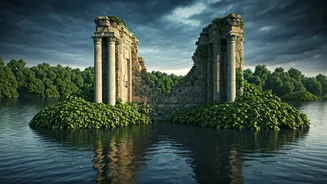
Archaeology and tourism are both fundamentally reliant on access and stability. When political instability, conflict, or terrorism strikes, that foundation crumbles. Political unrest can decrease tourist arrivals by over 30%, as travellers reroute to destinations perceived as safer. This has an immediate economic impact, but the long-term consequences for heritage are just as severe. During times of conflict, archaeological sites are often left unprotected, vulnerable to looting, neglect, or even deliberate destruction. For both the archaeologist seeking to uncover history and the traveller hoping to experience it, these regions effectively become no-go zones. Travel advisories go up, tour operators pull out, and the sites themselves are cut off from the international community and the protective oversight that tourism can sometimes provide. This creates a vicious cycle where instability decimates tourism, which in turn removes a key economic incentive for preservation.
A New Era of Conscious Exploration
In the face of these shared risks, a new philosophy is taking hold: sustainable and responsible tourism. It marks a critical shift from a model based on visitor volume to one based on value and preservation. The core idea is to balance the desire to explore with the duty to protect. This approach involves a toolkit of strategies: setting strict visitor limits, promoting off-season travel, and using technology to manage crowds. It also means investing tourism revenue directly back into conservation efforts and, crucially, involving local communities in the process to ensure they benefit from their heritage. For the traveller, this new era calls for a more conscious mindset. It's about choosing tour operators with strong ethical practices, educating oneself about the fragility of a destination, and understanding that our presence has an impact. Preserving our shared history is no longer just the job of archaeologists and governments; it has become the responsibility of every person who travels to see it.