






Why Your Gut Needs Extra Care
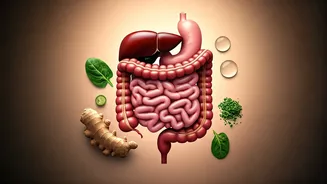
The monsoon is a magical season, but it creates the perfect breeding ground for bacteria and viruses. The high humidity can slow down our metabolism and digestive processes, making us feel sluggish. According to Ayurveda, the 'Agni' or digestive fire
is weakest during this time. This, combined with the increased risk of contaminated water and food, makes our digestive system particularly vulnerable to infections, indigestion, and illnesses like diarrhoea and gastritis. Street food, leafy greens that are hard to clean, and even water that isn't properly filtered or boiled can become sources of trouble. This is why a shift in our diet is not just a recommendation; it's a practical necessity for wellness.
Foods to Embrace This Season
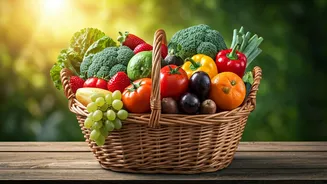
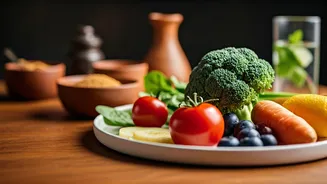
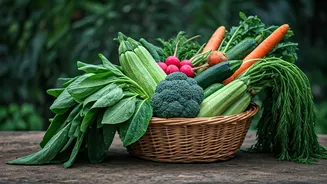
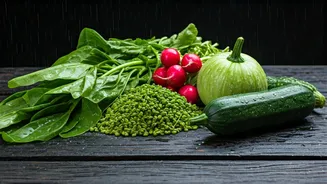
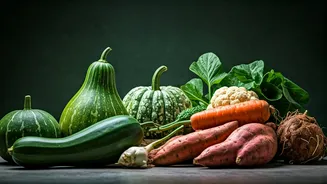
The goal is to eat foods that are light, easy to digest, and boost immunity. Focus on warm, freshly cooked meals. Soups are your best friend during this season — think moong dal soup, vegetable broths, or a hearty tomato shorba. They are hydrating, nourishing, and easy on the stomach. Incorporate seasonal vegetables like lauki (bottle gourd), tinda (Indian round gourd), parwal (pointed gourd), and karela (bitter gourd). These vegetables are not only light but also have properties that help prevent infections. When it comes to grains, opt for older varieties like barley, corn, and moong dal, which are less taxing on the digestive system than heavy grains like wheat and maida. A small piece of ginger with rock salt before a meal can also help fire up your digestion.
The Power of Spices and Probiotics
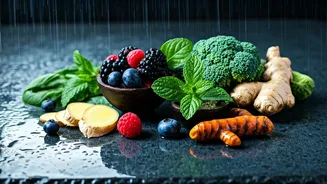
Your spice box is a treasure trove of gut-protective ingredients. Spices like turmeric (haldi), asafoetida (hing), cumin (jeera), and black pepper are excellent for digestion and have anti-inflammatory properties. Adding them to your cooking not only enhances flavour but also helps keep your gut healthy. Probiotics are also essential for maintaining a healthy balance of gut bacteria. Freshly prepared dahi or buttermilk (chaas) is beneficial. However, be cautious. Ensure your dahi is fresh and not sour, as older curd can lead to colds and sinus issues, according to traditional wisdom. Avoid consuming it at night. A pinch of roasted jeera powder and black salt in your buttermilk can make it an excellent digestive aid.
What to Reduce or Avoid
While it's tempting to indulge in pakoras and bhajiyas, fried and oily foods are heavy on the stomach and can lead to bloating and indigestion. Try to limit them or opt for air-fried or baked versions. Raw foods, especially salads and cut fruits from outside vendors, are a major no-go. The risk of contamination is simply too high. Even at home, be extra careful with leafy green vegetables like spinach and cabbage. They can retain moisture, dirt, and germs from the soil. If you must have them, blanch them in hot water before cooking. Also, be wary of seafood during the monsoon, as this is the breeding season for many fish, and the risk of water contamination affecting them is higher.
Stay Hydrated the Right Way
Thirst might decrease due to the cooler weather, but staying hydrated is more important than ever. Dehydration can worsen digestive issues. However, the source of your water matters immensely. Stick to boiled, filtered, or bottled water from a trusted source. Avoid drinking water or juices from street vendors. Instead of cold drinks, which can dampen the digestive fire, switch to warm beverages. Herbal teas made with ginger, tulsi, mint, or cinnamon are excellent choices. They not only keep you hydrated but also help in fighting off common monsoon infections like colds and flu.