



The allure of a handloom saree is timeless, but buying one online can feel like a gamble. The vibrant colours and intricate designs on screen don't always match reality. This guide will help you navigate the digital marketplace with confidence.
Distinguish Handloom from Powerloom
The most
crucial step is understanding the difference between a handloom and a powerloom saree. Handloom sarees are woven manually by artisans, a process that is slow, requires immense skill, and results in a unique piece every time. Because of the human element, authentic handloom sarees often have slight irregularities, like tiny knots or subtle variations in the weave, which are considered signatures of their craftsmanship, not flaws. The edges, or selvedges, might be slightly uneven. Powerloom sarees, in contrast, are machine-made, leading to a uniform, consistent appearance and a stiffer feel. A genuine seller will clearly state whether a saree is handwoven. If the description is vague or the price seems too good to be true for a complex weave, it's likely a powerloom product.
Verify Authenticity with Official Marks
To protect both weavers and buyers, the Indian government has instituted authentication marks. Look for the 'Handloom Mark', a government guarantee that the product is genuinely handwoven. Many products now come with a QR code on the label that you can scan to verify the weaver's details and the place of origin. For silk sarees, the 'Silk Mark' is an assurance of pure silk. Checking for these certifications is a reliable way to ensure you are purchasing an authentic item and supporting artisan communities. Trusted sellers often highlight these certifications on their product pages.
Scrutinise Product Descriptions and Photos
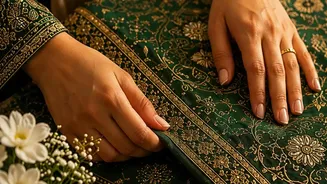
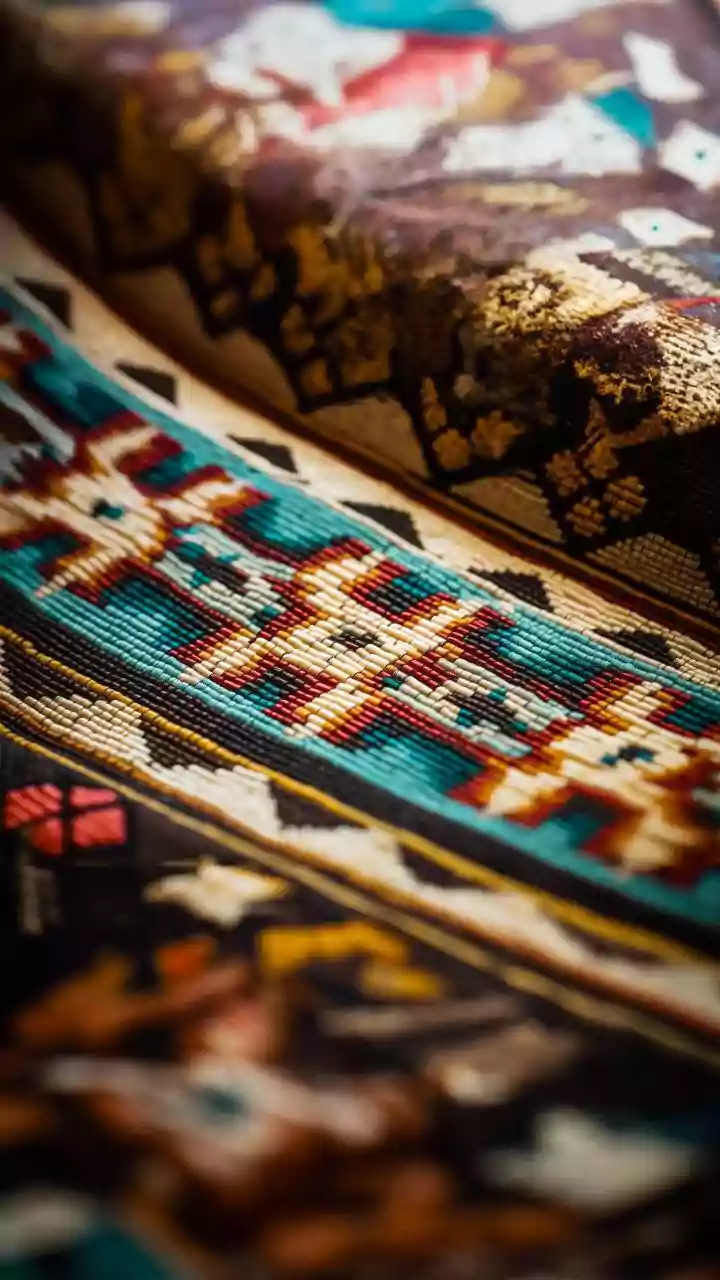
Don't be swayed by just the main photograph, which is often taken in professional studio lighting. Always read the full product description. Look for specifics on the fabric type (e.g., Katan silk, Tussar, cotton), the saree's length and width, and details about the included blouse piece. Reputable sellers will provide multiple images, including close-ups of the weave, the reverse side of the saree, and even videos showing how the fabric drapes. The reverse side of a handloom saree often shows the intricate work and floating threads of the design, unlike a machine-made piece which might have a flat or messy back. Pay attention to words used to describe texture, like 'crisp' or 'fluid', to better imagine the feel.
Check the Seller’s Reputation
Before committing to a purchase, do a quick background check on the seller. A trustworthy online store will have a professional website, a clear 'About Us' section, and a social media presence where they engage with customers. Look for customer reviews and photos, not just on the website but on third-party platforms if possible. These can offer honest insights into product quality, colour accuracy, and the overall shopping experience. A seller who is passionate about handlooms will often share stories about the weavers or the craft's origin, adding another layer of authenticity.
Understand the Return and Exchange Policy
This is a step many shoppers overlook in their excitement, but it's one of the most important. Before you click 'buy', read the return and exchange policy carefully. Find out if they accept returns for reasons like dissatisfaction with the colour or fabric, or only for damaged goods. Note the timeframe for returns, which can be as short as 24-48 hours after delivery for reporting issues. Many sellers now require a continuous unboxing video as proof for any damage claims. Also, check who bears the cost of return shipping, as this often falls on the customer.
Consider the Price and Value Proposition
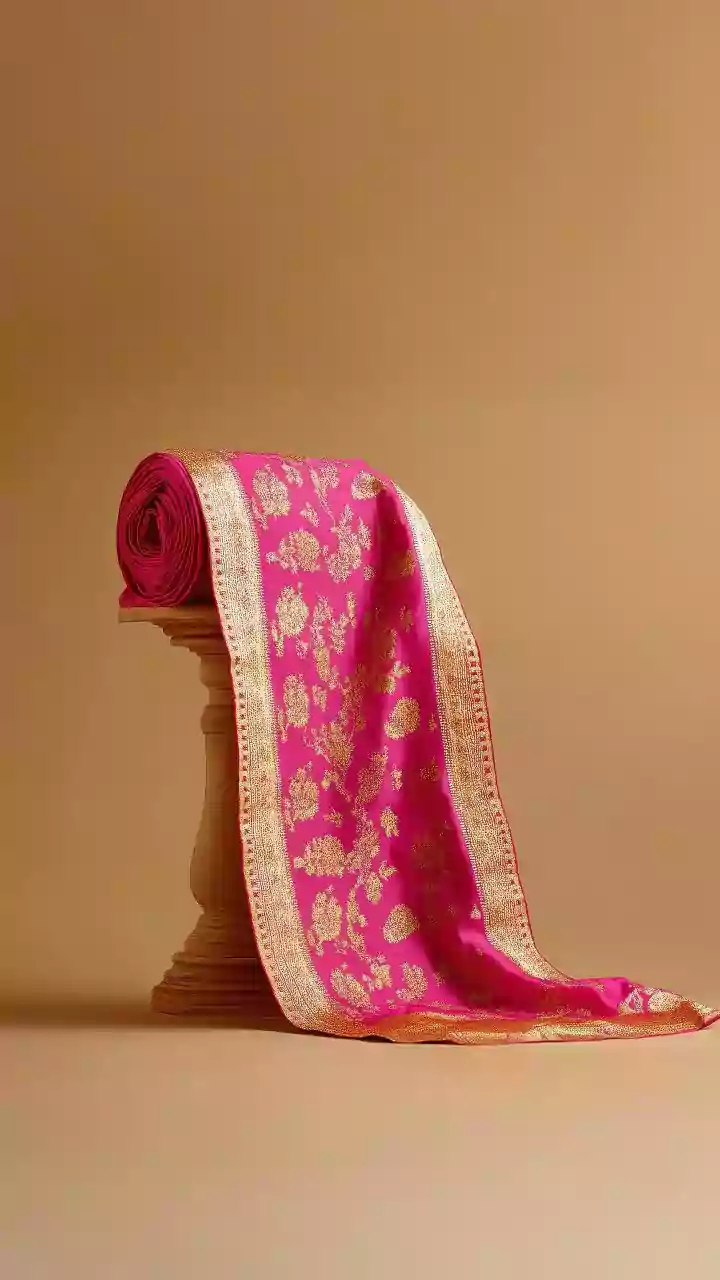
Handloom sarees are an investment. The price reflects the quality of the material, the complexity of the design, and the weeks or even months of an artisan's labour. While everyone loves a good deal, an exceptionally low price for what is described as a 'Banarasi' or 'Kanjivaram' silk saree is a major red flag. Instead of comparing just the price, consider the value. A genuine handloom saree is a piece of art that will last for generations, while a cheap imitation may not survive a few wears. Doing some basic research on the typical price range for the specific weave you're interested in can help you spot fakes.
Inquire About Care Instructions
A handloom saree requires proper care to maintain its beauty and longevity. Most silk and intricate zari sarees require dry cleaning. Before purchasing, check the care instructions provided by the seller. Understanding how to wash, dry, and store the saree is crucial. Knowing this beforehand ensures you are prepared to properly maintain your valuable purchase and prevent any accidental damage. It's a small detail that makes a big difference in preserving the fabric's integrity for years to come.