



A Scoop of Change on the Menu
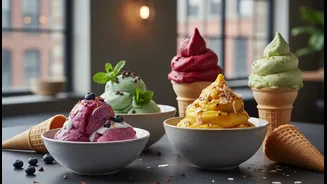
Walk into a trendy café in Mumbai, Bengaluru, or Delhi today, and you are increasingly likely to find plant-based desserts that go far beyond a simple fruit sorbet. The star of this new wave is vegan gelato. What was once a niche product for a handful
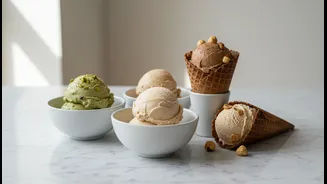
of dedicated vegans is now a mainstream indulgence. Brands like Nomou, Minus. 30, and Papacream have become prominent, offering artisanal, dairy-free gelatos in a growing number of outlets. This movement isn't just limited to specialized vegan brands; even international giants like Baskin Robbins have introduced vegan flavours in India to cater to this expanding market. The growth is a clear indicator that consumer palates and priorities are changing, and businesses are eagerly adapting to serve a new generation of dessert lovers. This shift reflects a broader trend in the Indian food market, which has seen a significant surge in demand for all types of plant-based alternatives.
The Drivers Behind the Dairy-Free Demand
So, why the sudden craving for vegan treats? The reasons are as varied as the flavours themselves. A primary driver is growing health awareness. Many Indians are discovering they are lactose intolerant, and a plant-based gelato offers a way to enjoy a creamy dessert without discomfort. Beyond that, there's a rising tide of conscious consumerism, where people are choosing foods that align with their values. This includes ethical concerns for animal welfare and a desire for more environmentally sustainable options, as the footprint of plant-based foods is often lighter than that of dairy. Urban consumers are also embracing concepts like “low-inflammation” eating and seeking out “clean-label” products with fewer artificial ingredients, making natural, plant-derived desserts an attractive choice. This convergence of health, ethics, and environmental consciousness has created the perfect storm for the rise of vegan gelato.
Deconstructing the Perfect Vegan Scoop
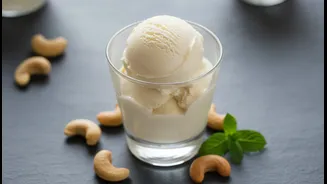
Creating a rich, creamy gelato without milk, cream, or eggs might sound like a culinary magic trick, but it's all about smart science and quality ingredients. The foundation of vegan gelato is plant-based milk. Coconut milk is a popular choice for its high-fat content, which naturally lends a luscious, creamy texture. For flavours where a coconut taste might be overpowering, chefs and brands turn to other alternatives like almond, soy, or oat milk, each offering a different consistency and a more neutral backdrop. To achieve that dense, smooth gelato mouthfeel, some brands also incorporate nut butters or pastes made from cashews and almonds, which enhance the richness. Thickeners like cornstarch often play a role in achieving the perfect structure. The result is a frozen dessert that aims not just to imitate its dairy counterpart but to stand on its own as a premium, flavour-forward treat.
A Fusion of Global Trend and Local Taste
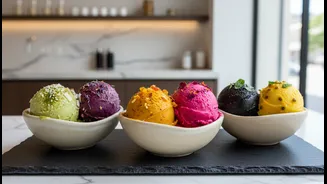
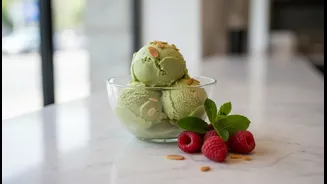
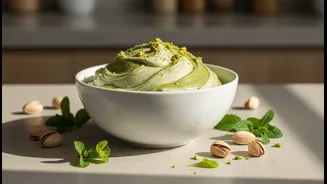
The fear with any alternative food is that it might be a compromise on taste. However, the Indian vegan gelato scene is proving that dairy-free can be decadent. Chefs are not only mastering classic flavours like dark chocolate and sea salt caramel but are also innovating with a distinctly Indian palate in mind. You can now find exciting flavours like Paan, Thandai, Saffron Pistachio, and Tender Coconut, which celebrate local traditions in a new format. These creations show that the trend is less about restriction and more about expansion and creativity. By using high-quality ingredients, brands are ensuring that the core flavour of the mango, coffee, or spice shines through. The best vegan gelatos offer a satisfying experience that appeals to everyone, whether they follow a plant-based diet or are simply curious foodies looking for a novel taste experience.
Beyond the Metros: A Spreading Sweetness
While this dessert revolution is currently most visible in major metropolitan hubs, the appetite for plant-based options is beginning to spread. The easy accessibility through quick-commerce and food delivery apps has played a crucial role in introducing these brands to a wider audience, helping them discover products they might not find in their local stores. While challenges like higher price points and the perception of being a 'niche' product still exist, the momentum is undeniable. Reports suggest that demand is growing even in cities like Chandigarh and Lucknow, signaling a deeper, more widespread shift in consumer attitudes. As awareness grows and production scales, what is now a premium choice in urban cafés may soon become a common sight in freezers across the country, fundamentally reshaping India’s dessert landscape.