





The Daily Grind of Desk Work
The modern workplace, for many, is a chair. While comfortable, spending eight or more hours sitting has a cumulative, negative effect on the body. This sedentary lifestyle is often linked to a host of physical issues that extend beyond simple stiffness.
The most common complaint is back pain, which often originates from poor posture. When you sit for long periods, your hip flexors shorten and tighten, while your gluteal muscles weaken from underuse. This combination causes an anterior pelvic tilt, where your pelvis tips forward, creating a pronounced arch in your lower back and straining the muscles. At the same time, your shoulders tend to round forward and your head juts out, creating what's known as 'tech neck'. Over time, these imbalances don't just cause aches; they create a structural framework prone to injury, chronic pain, and reduced mobility.
The Power of Compound Exercises
So, what’s the most effective way to fight back against the 'desk body'? The answer lies in compound exercises. Unlike isolation exercises that target a single muscle group (like a bicep curl), compound lifts engage multiple muscle groups and joints in a single movement. Think of exercises like squats, deadlifts, overhead presses, and rows. A squat, for instance, works your quads, hamstrings, glutes, core, and back all at once. This multi-muscle activation makes them incredibly time-efficient. For a busy professional, getting a full-body workout in 30-45 minutes is a game-changer. Instead of spending hours in the gym on different machines, you can perform a few key compound lifts to stimulate strength and muscle growth across your entire body, making it a sustainable habit for even the most packed schedules.
Rebuilding Your Postural Foundation
The primary benefit of compound lifts for desk workers is their ability to directly counteract postural decline. These exercises are fantastic for strengthening the posterior chain—the group of muscles on the backside of your body, including your back, glutes, and hamstrings. These are the exact muscles that become weak and inactive from prolonged sitting. A deadlift, for example, is one of the best movements for building strength in your entire back and glutes, essentially pulling your body back into proper alignment. Similarly, rows strengthen your upper back muscles, helping to pull your shoulder blades back and down, correcting the rounded-shoulder slump. By focusing on these movements, you are not just building muscle; you are actively re-engineering your posture from the ground up, creating a stronger, more resilient frame.
Firing Up a Sluggish Metabolism
Sitting all day doesn't just affect your muscles and bones; it can also slow down your metabolism. A sedentary state reduces your body's ability to regulate blood sugar and metabolise fat effectively. Compound exercises are a powerful tool to reverse this. Because they recruit large amounts of muscle mass, they demand a significant amount of energy, both during and after the workout. This leads to a higher calorie burn compared to isolation work. More importantly, building more muscle through strength training increases your resting metabolic rate. This means your body will burn more calories even when you are at rest—or sitting at your desk. This metabolic boost is crucial for longterm health, helping to manage weight and reduce the risks associated with a sedentary job.
Getting Started: Key Movements to Try
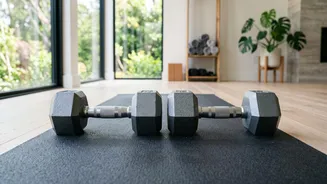
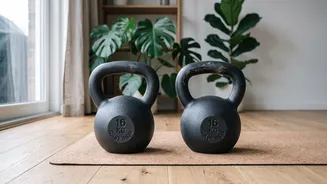
Getting started with compound lifts doesn't mean you need to immediately lift heavy barbells. Form is everything. It's best to begin with lighter weights or even just your bodyweight to master the movement patterns. A few excellent starting points include: The Goblet Squat, where you hold a single dumbbell or kettlebell against your chest, which helps in maintaining an upright torso and learning proper squat mechanics. The Romanian Deadlift (RDL), often done with dumbbells, is a fantastic way to target the hamstrings and glutes while learning the crucial hip hinge motion with less strain on the lower back than a conventional deadlift. Finally, the Dumbbell Row is perfect for building upper back strength to improve posture. Focus on slow controlled movements and consider a session with a certified trainer to ensure your form is safe and effective.