




Spain remains one of the world's most beloved travel destinations, but its immense popularity is causing friction. From the Canary Islands to Barcelona, residents are voicing concerns over a tourism model that they say is unsustainable.
Why 'Business as Usual' is Over
Across Spain, a growing
movement is calling for a change to the country's tourism model. In places like the Canary Islands, tens of thousands have protested under the banner 'The Canaries have a limit', arguing that decades of unchecked growth have strained natural resources and made life unaffordable for locals. Tourism accounts for a massive 35% of the archipelago's GDP, yet a high percentage of residents are at risk of poverty or social exclusion. This tension is not unique to the islands. In cities like Barcelona, Málaga, and Seville, similar concerns over housing affordability and crowded public spaces have led to new regulations aimed at curbing the negative effects of mass tourism, including major restrictions on short-term holiday rentals. The protests are not anti-tourist, but anti-system; a call for a more balanced approach that benefits residents and visitors alike.
Barcelona: Beyond the Gothic Quarter
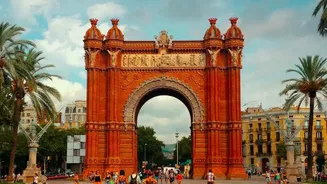
Barcelona is at the epicenter of the overtourism debate. In response to a housing crisis where rents have soared, the city is phasing out all licenses for short-term tourist apartments by 2028. Authorities are also increasing taxes for cruise ship passengers and have banned smoking on all city beaches. While landmarks like the Sagrada Família and the bustling La Boqueria market are iconic, the crowds can be overwhelming. For a more rewarding visit, consider exploring beyond the most congested areas. Discover the village-like charm of the Gràcia district, the vibrant, foodie-friendly streets of Poble-sec, or the architectural elegance of the Eixample district. For a fantastic day trip, take a short train ride to the coastal town of Sitges or the historic, walled city of Girona, which offers a calmer but equally captivating Catalonian experience.
The Islands: Conscious Coastal Travel
Spain's islands, from the Balearics to the Canaries, are struggling with the environmental and social costs of their popularity. Recent protests have specifically targeted new luxury developments and the strain on water resources. In response, authorities are implementing stricter rules. In parts of Mallorca and Ibiza, 'tourism of excesses' laws ban public drinking and limit alcohol in some all-inclusive resorts. To travel more sustainably, consider visiting lesser-known islands like El Hierro or La Palma in the Canaries, which are celebrated for their natural beauty and commitment to ecotourism. In the Balearics, Menorca is a UNESCO Biosphere Reserve with a focus on preservation. Traveling in the shoulder seasons of spring and autumn not only means fewer crowds and lower prices but also puts less strain on local infrastructure during the peak summer rush.
A Deeper Dive into Andalusia and the North
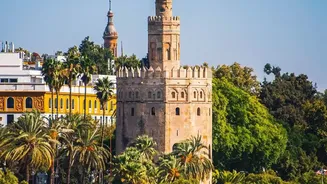
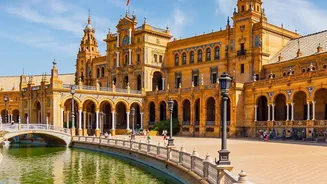
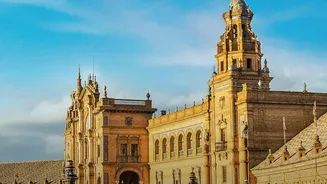
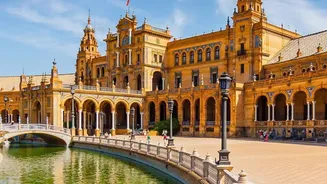
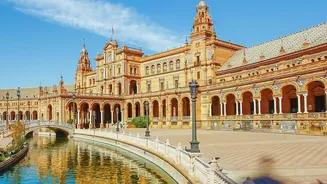
Andalusia's star cities—Seville, Granada, and Córdoba—are magnificent, but they also see intense tourist traffic. To escape the biggest crowds, explore beyond the main squares. Consider the ancient port city of Cádiz, one of Europe’s oldest cities, or the sherry-producing hub of Jerez de la Frontera. Alternatively, look north. Spain's 'Green Coast' offers a completely different experience. Regions like Asturias, Cantabria, and the Basque Country boast lush landscapes, dramatic coastlines, and a world-renowned culinary scene. Explore the elegant city of Santander, the vibrant culture of Bilbao, home to the Guggenheim Museum, or the stunning Picos de Europa National Park. These regions provide a glimpse into a side of Spain that many tourists miss entirely.
Your Guide to More Mindful Travel
Planning a more responsible trip to Spain doesn't mean sacrificing enjoyment. In fact, it often leads to a richer experience. Start by traveling during the off-'season (April-'June or September-'October) to ease pressure on popular spots. When booking, look for locally owned 'casas rurales' (rural guesthouses) or licensed apartments to ensure your money supports the local community directly. Once there, prioritize public transport like Spain's excellent Renfe train network for travel between cities. Embrace the local culture by eating at family-'run restaurants that serve regional produce and learning a few basic Spanish phrases. Simple actions like carrying a reusable water bottle and shopping bag can significantly reduce your environmental footprint. By making thoughtful choices, you contribute to preserving the destinations you've come to admire.