

What is a Glacial Lake Outburst Flood?
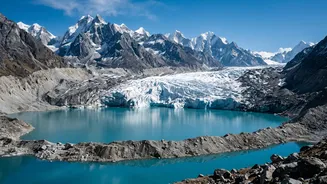
A Glacial Lake Outburst Flood, or GLOF, is a sudden and powerful release of water from a lake that was dammed by a glacier or its moraine. Moraines are ridges of loose rock, soil, and debris left behind by a retreating glacier. Unlike concrete dams, these
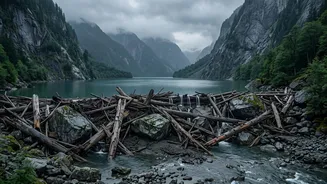
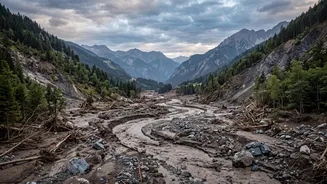
natural barriers can be highly unstable. When they fail, they release an enormous volume of water in a very short time, creating a catastrophic flood that rushes down mountain valleys at high speed, carrying along boulders, mud, and other debris. These events are among the most severe hazards in high-mountain regions.
The Making of a 'Water Bomb'
The process begins with climate change. As global temperatures rise, glaciers in mountain ranges like the Himalayas are melting and retreating at an accelerated pace. This meltwater needs somewhere to go, and it often pools in depressions left by the shrinking glacier, forming new lakes or causing existing ones to expand rapidly. These lakes are typically held in place by moraines, which are essentially unstable piles of rubble and ice. As the lake grows, the water pressure on this fragile dam increases, turning the lake into a ticking 'water bomb' perched high in the mountains.
What Triggers the Outburst?
Several factors can trigger the failure of a moraine dam. A large chunk of ice breaking off the glacier and falling into the lake can create a massive wave that overtops the dam, quickly eroding it. Similarly, a landslide or rock avalanche from the steep valley walls can have the same displacement effect. The 2023 South Lhonak lake disaster in Sikkim was triggered by a landslide that collapsed into the lake, creating a wave nearly 20 metres high that breached the dam. Other triggers can include heavy rainfall that rapidly increases the lake's volume, earthquakes that destabilise the dam, or even the gradual melting of ice cores within the moraine, weakening it from the inside.
India's Vulnerable Himalayan Frontier
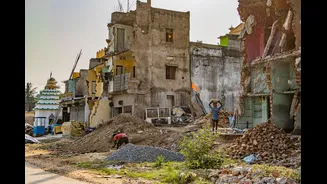
The Hindu Kush Himalaya region is a global hotspot for GLOF risks, and India is particularly vulnerable. States like Sikkim, Himachal Pradesh, Uttarakhand, and Arunachal Pradesh have thousands of glacial lakes, with hundreds identified as potentially dangerous. The 2013 Kedarnath tragedy and the 2023 Sikkim floods are devastating reminders of the destructive power of GLOFs. These events not only claim lives but also destroy vital infrastructure like roads, bridges, and hydropower plants, which are often built along river valleys. A 2023 study found that 15 million people globally are at risk from GLOFs, with a significant portion residing in India.
Monitoring and Mitigation Efforts
Recognising the growing threat, Indian authorities are stepping up efforts. The National Disaster Management Authority (NDMA) has issued guidelines for managing GLOF risks. This includes monitoring potentially dangerous lakes using satellites and on-site sensors. For instance, after the Sikkim disaster, efforts were made to urgently repair early warning systems. In some high-risk cases, structural measures like controlled draining are used to lower lake levels and reduce pressure on the moraine dam. India's National GLOF Risk Mitigation Project, launched in 2025 for Himalayan states, focuses on improving monitoring, early warning systems, and overall risk reduction.