



The Protein Puzzle for Lifters
When you lift weights, you create microscopic tears in your muscle fibres. Protein provides the raw materials—amino acids—to repair this damage, making the muscles stronger and larger. This process is called muscle protein synthesis. For lifters, getting
enough protein is non-negotiable, with many aiming for 1.6 to 2.2 grams of protein per kilogram of body weight daily to optimize muscle growth. While animal products are often seen as the go-to source, a smart combination of plant-based foods can be just as effective.
What 'Complete Protein' Really Means
A protein is considered 'complete' if it contains all nine essential amino acids (EAAs) in adequate amounts. Our bodies can produce many amino acids, but these nine must come from our diet. Animal-based foods like meat, eggs, and dairy are naturally complete proteins. Most plant foods, however, are considered 'incomplete' because they are low in one or more of these essential amino acids. This is where the concept of protein complementation becomes crucial for those on a predominantly plant-based diet.
The Limiting Amino Acid
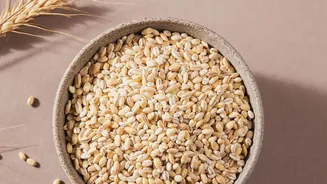
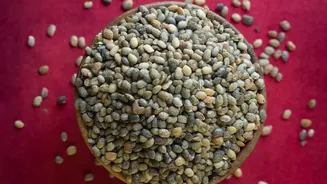
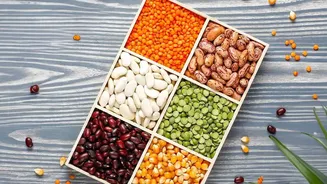
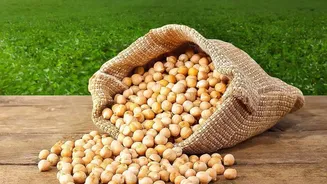
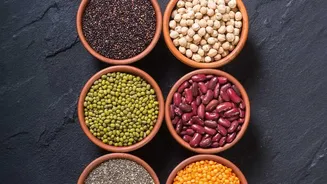
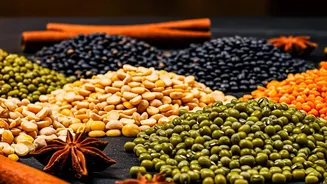
The term for the EAA that is lowest in a particular food is the 'limiting amino acid.' For most grains like rice and wheat, the limiting amino acid is lysine. On the other hand, for pulses—which include lentils (dal), chickpeas (chana), and beans (rajma)—the limiting amino acid is typically methionine. So, if you were to rely solely on rice or solely on dal for your protein, your body wouldn't get the ideal balance of all nine essential building blocks needed for efficient muscle repair.
The Power of Pairing
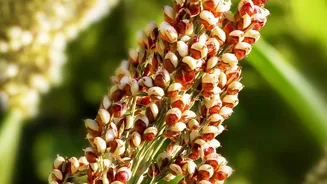
This is where the magic happens. When you combine grains and pulses, their amino acid profiles perfectly complement each other. The lysine that is lacking in grains is abundant in pulses. Conversely, the methionine that pulses are low in is found in higher amounts in grains. Together, they fill in each other's nutritional gaps, creating a meal with a complete amino acid profile. This simple food synergy is why combinations like dal and rice, or roti and chana, are not just traditional and comforting, but also nutritionally powerful for building muscle.
Your Plate, Your Powerhouse
For lifters in India, applying this principle is incredibly simple and aligns with traditional eating habits. Think of these classic combinations as performance fuel:
- Dal and Rice: The quintessential Indian meal is a perfect example of protein complementation.
- Roti and Dal/Sabzi: Whole wheat roti paired with any lentil or bean-based curry delivers a full suite of amino acids.
- Khichdi: This one-pot dish of rice and lentils is a complete protein meal in itself, easy to digest and excellent for recovery.
- Hummus with Pita: Made from chickpeas (a pulse) and served with whole wheat pita (a grain), this is another effective pairing.
- Rajma Chawal: A beloved North Indian comfort food that also happens to be a fantastic muscle-building meal.
Do You Need to Combine Them in One Meal?
While early theories suggested you needed to eat complementary proteins in the same meal, modern nutrition science has shown this isn't necessary. Your body maintains a pool of free amino acids that it can draw from throughout the day. As long as you consume a varied diet that includes both grains and pulses over the course of a day, your body will have all the components it needs to synthesize complete proteins. So, having dal for lunch and roti for dinner is just as effective as eating them together. This flexibility makes it even easier to meet your protein goals on a plant-forward diet.