






The Art of 'Tadka'
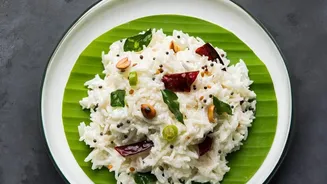
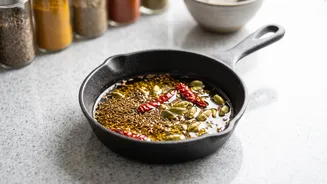
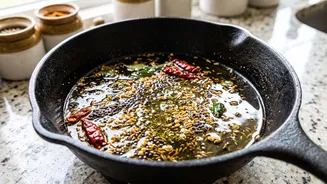
Known as 'tadka', 'chaunk', or simply tempering, this foundational technique involves briefly frying whole or ground spices in hot fat like oil or ghee. This aromatic fat is then either used as the base for a dish or poured over it as a final flourish.
While it may seem like a small step, it is the heart of flavour-building in many cuisines. The process is quick, often lasting less than a minute, but its impact is profound. It transforms the spices from their raw, dormant state into a vibrant, complex, and deeply aromatic flavour base that infuses the entire meal. Without it, many dishes would taste flat or 'dusty', as the full potential of the spices would remain locked away.
Unlocking Flavour and Function
The magic of tempering lies in simple science. Most of the aromatic compounds that give spices their characteristic flavour and scent are fat-soluble, not water-soluble. This means they need fat to be properly extracted and distributed. When you add spices like cumin or mustard seeds to hot oil, the heat breaks down their cellular structure, releasing volatile essential oils. The fat then acts as a perfect carrier, dissolving these flavour molecules and spreading them evenly throughout the dish. This process is far more effective than adding spices directly to a water-based liquid like a broth or sauce, where many of those key compounds would never fully bloom.
Key Spices for a Balanced Gut
Many spices traditionally used in tempering are celebrated for their digestive properties. Cumin, for instance, is a carminative, meaning it is traditionally used to relieve gas and bloating. Coriander is known for its ability to soothe the digestive system and reduce inflammation. Fennel seeds are also excellent for calming the gut, relaxing the digestive tract and easing cramps. Ginger, another common tempering ingredient, helps speed up digestion and alleviate indigestion. When these spices are bloomed in oil, their beneficial compounds become more bioavailable, allowing the body to absorb them more easily. This combination of flavour and function is a cornerstone of traditional food wisdom.
An Ayurvedic Perspective on Digestion
In Ayurveda, the traditional Indian system of medicine, good health starts with strong digestion, which is governed by 'Agni', or the digestive fire. A balanced Agni efficiently processes food, absorbs nutrients, and eliminates waste. When Agni is weak, food can remain undigested, leading to the formation of 'ama', or toxins, which are considered the root of many ailments. Spices are seen as essential tools for kindling this digestive fire. Tempering spices in ghee or oil is believed to make them easier to digest and enhances their ability to stimulate Agni, thereby improving metabolism, reducing gas, and promoting better nutrient absorption. The trio of cumin, coriander, and fennel (CCF) is especially prized as a 'tridoshic' blend that supports digestion for all body types.
A Practical Guide to Tempering
Bringing this technique into your own kitchen is simple. First, have all your ingredients ready, as the process is very fast. Heat a tablespoon or two of a high-heat oil or ghee in a small pan over medium heat. When the oil is shimmering, add your whole spices first, like mustard or cumin seeds. Wait for them to sizzle and pop, which takes about 15-30 seconds. This indicates they have released their aromas. Next, you can add quicker-cooking ingredients like garlic, ginger, or dried chillies. Finally, add any ground spices like turmeric or asafoetida, stirring for just a few seconds before they burn. Immediately pour this fragrant, infused oil over your dal, soup, vegetables, or use it as the base for your curry.