






Decoding the Market's Momentum
The data paints a clear picture of sustained demand. Mumbai recorded 12,503 property registrations in August 2026, an 11% increase compared to the same month last year. For the first eight months of 2026, total registrations climbed by 6.8% year-on-year,
reaching 106,659 units. This consistent activity has also boosted state revenue, with stamp duty collections rising 12% to ₹1,123 crore in August alone. While there was a slight dip from July's figures, the annual growth underscores a market where buyer interest remains strong and resilient. This trend is driven by end-users seeking stability, along with a growing preference for ready-to-move-in or near-completion homes.
1. Look Beyond the Sticker Price
The first rule for any Mumbai homebuyer is to budget for the total cost of acquisition, not just the advertised price. A significant portion of your outlay will go towards statutory charges. In Mumbai, stamp duty is currently 6% for male buyers and 5% for female buyers, a rate that includes a 1% Metro Cess. On top of this, registration fees are 1% of the property value, capped at ₹30,000 for properties valued above ₹30 lakh. Experts suggest that buyers should budget an additional 8-12% of the property's base price to cover these charges, along with GST (for under-construction properties), society transfer fees, and legal costs. Planning for these expenses upfront prevents financial strain later.
2. Prioritise Legal and Regulatory Checks
In a market where redevelopment projects are becoming a major source of new housing supply, thorough due diligence is non-negotiable. Before finalising any property, verify its RERA (Real Estate Regulatory Authority) registration on the MahaRERA website. This allows you to check the project's official completion timeline, promoter details, and any pending litigation. For new properties, insist on seeing the approved building plans and environmental clearances. For resale properties, the checklist is even longer: demand the original sale deed, the building's Occupancy Certificate (OC), latest property tax receipts, and a No-Objection Certificate (NOC) from the housing society. An absent OC is a major red flag, as it indicates the building may not be legally fit for occupation.
3. Scrutinise Your Home Loan Options
With home loan interest rates in India starting from around 7.00% to 8.40% per annum as of September 2026, it pays to shop around. Your final rate depends on your credit score, income stability, and the lender's policies. A seemingly small difference in the interest rate can lead to significant savings over a 15 or 20-year tenure. Financial advisors recommend that your Equated Monthly Instalment (EMI) should not exceed 30-40% of your net monthly income to maintain a healthy financial balance. Compare offers from public sector banks, private banks, and housing finance companies, and be clear on whether you are opting for a fixed or floating interest rate.
4. Assess Location and Future Infrastructure
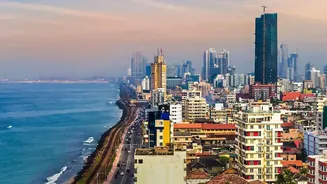
A property's long-term value is intrinsically linked to its location and connectivity. While prices in established areas of South Mumbai and the prime Western suburbs remain high, buyers are increasingly looking at peripheral suburbs and the Mumbai Metropolitan Region (MMR) for better value. However, a smart purchase decision should be supported by existing infrastructure, not just future promises. Analyse the property's proximity to your workplace, schools, and public transport like metro and local train stations. The impact of major projects like the Coastal Road and Mumbai Trans Harbour Sea Link is already being felt, making certain corridors more liveable and accessible.