


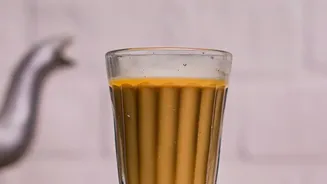
The Enduring Legacy of Irani Chai
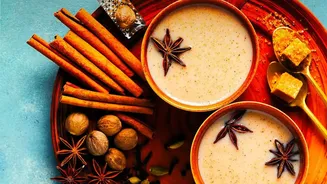
In Hyderabad, tea is more than just a drink; it's an institution. The city's identity is steeped in the legacy of Irani cafés, with their marble-topped tables, bentwood chairs, and the ever-present aroma of sweet, milky chai served with buttery Osmania
biscuits. These cafés, introduced by Persian immigrants, became cultural hubs where conversations flowed as freely as the tea. For decades, places like Cafe Niloufer, Garden Restaurant, and Nimrah Cafe have been the city's social equalisers, serving a beloved brew that has remained largely unchanged. This tradition is the bedrock of Hyderabad's beverage culture, a comforting ritual for millions.
The Arrival of the Modern Tea Bar
While the classic Irani chai remains irreplaceable for many, a different kind of tea experience is quietly taking hold. A new generation of tea bars and cafés is emerging, catering to a younger, urban audience with different preferences. This shift is driven by a desire for new experiences, comfortable ambiences, and a menu that goes beyond the traditional. Unlike the quick, functional nature of an Irani café, these new spaces are designed for lingering. They are destinations in themselves, offering an environment where people can work, socialise, or simply unwind over a thoughtfully prepared cup.
A Global Menu in a Teacup
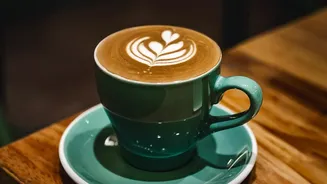
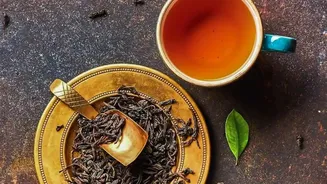
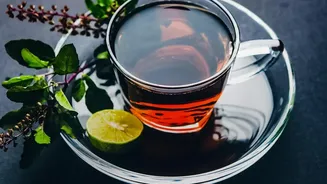
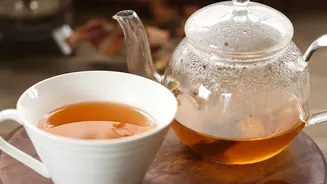
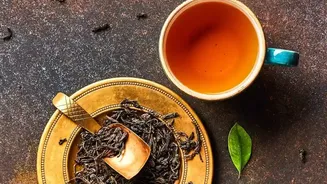
What truly sets this new wave apart is the diversity of its offerings. The menu extends far beyond the classic milk tea, venturing into the world of artisanal and specialty brews. Patrons can explore single-estate teas, oolong, hibiscus, lavender, and even matcha. Establishments like Burma Burma are introducing Hyderabad to tea traditions from China, Japan, and Egypt, complete with suggested food pairings. Others are creating unique tea-based mocktails and infusions, with flavours like Orange Cinnamon and Apple Spice Cake. This focus on variety and quality elevates tea from a simple beverage to a gourmet experience, much like the evolution seen in specialty coffee.
Designed for a New Generation
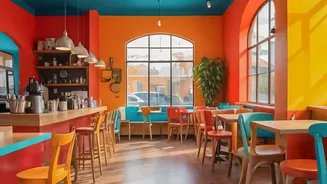
The atmosphere in these new cafés is a major draw. Recognizing that today's diners seek experiences worth sharing, owners are investing in aesthetically designed interiors and Instagram-worthy presentations. These spaces often feature cosy corners, lush greenery, and contemporary art, creating a welcoming environment that feels both modern and comfortable. Many double as informal co-working spaces or community hubs, hosting workshops and events. This transformation of the café into a versatile "third space"—a place between home and work—is a key factor in their growing popularity among millennials and Gen Z.
An Evolution, Not a Replacement
The rise of these modern tea bars isn't a threat to Hyderabad's deep-rooted Irani chai culture; rather, it's a complementary evolution. Even as new, large-scale cafés like the massive 40,000-square-foot Café Niloufer in Hitech City redefine the tea experience, the traditional spots retain their fierce loyalty. The new wave caters to a different need, driven by a growing population, rising disposable incomes, and a curiosity for global trends. They are expanding the city's culinary landscape, proving that there is room for both the nostalgic comfort of a classic pauna and the refined pleasure of an artisanal brew. This diversification ensures that Hyderabad's love affair with tea will continue to thrive for generations to come.