



What is Microgravity and Why Study It?
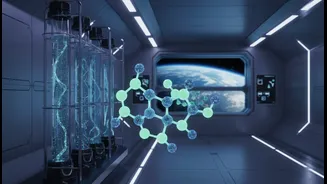
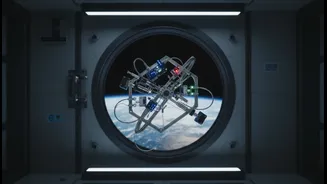
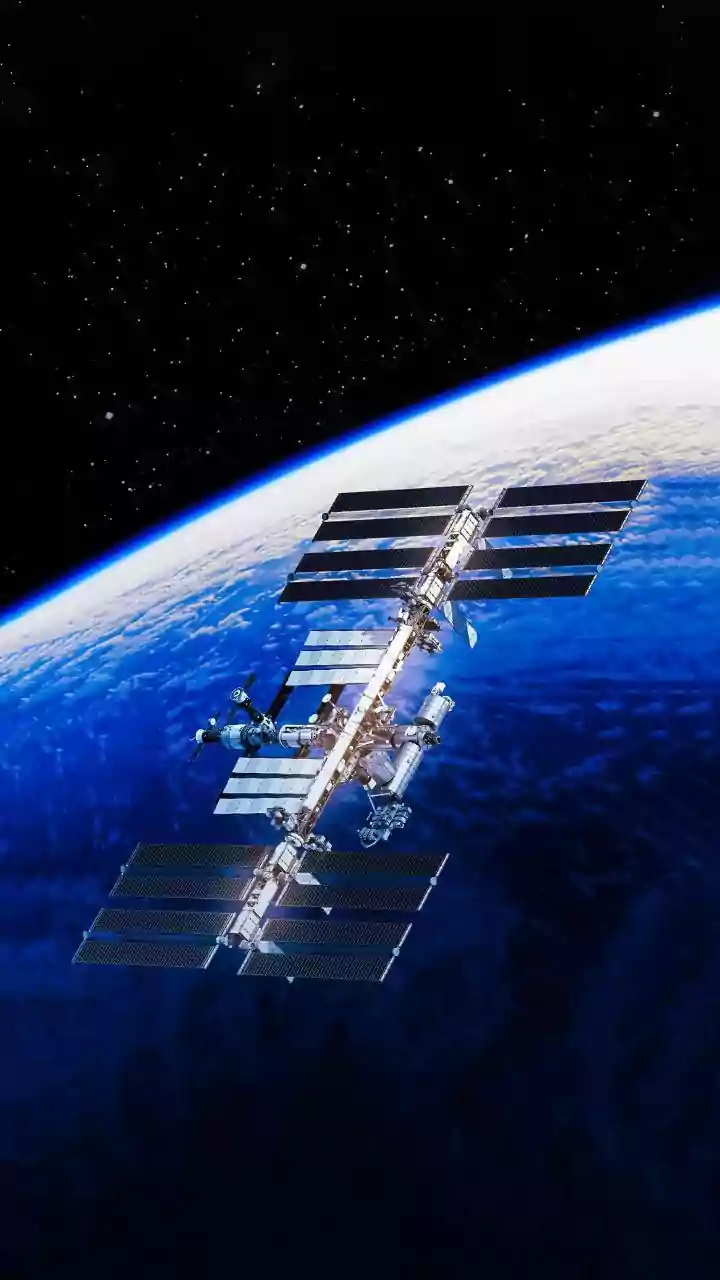
Imagine a laboratory where gravity, the force that keeps our feet on the ground, almost disappears. This is microgravity. It's the condition of near-weightlessness experienced by astronauts and experiments in orbit, like on the International Space Station
(ISS). But it's more than just floating around; it's a unique environment where the fundamental rules of physics, chemistry, and biology behave differently. Without gravity's pull, you can grow more perfect crystals for advanced electronics, study how the human body adapts to space, and uncover new ways to develop medicines. It allows scientists to isolate and observe phenomena that are normally masked by gravity on Earth, offering a pristine setting for breakthrough discoveries in materials science, pharmacology, and agriculture.
ISRO’s Vision for Orbiting Labs
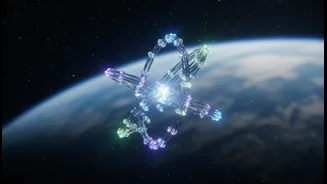
Capitalising on this potential, the Indian Space Research Organisation (ISRO) is formally inviting the nation's brightest minds to join its journey. The agency has launched the Indian Microgravity Experiments programme, known as IMEx-2026. This is a landmark 'Announcement of Opportunity' calling on the Indian research community to design and develop experiments for space. These are not just theoretical exercises. The selected proposals are destined for flight on future ISRO missions, including the short-duration human spaceflights under the Gaganyaan programme and, eventually, the planned Bharatiya Antariksh Station (BAS), India's very own space station. This transforms these missions from purely technological demonstrations into powerful platforms for cutting-edge scientific research, building an entire ecosystem for innovation in low Earth orbit.
Pathways to Space for Indian Students
This new focus directly creates pathways for students passionate about space. The IMEx-2026 programme is open to principal investigators from academic institutions, national labs, and even startups. This means university students, particularly at the postgraduate level, can get involved in real-world space research projects proposed by their professors and institutions. Beyond this flagship initiative, ISRO has cultivated a rich ecosystem of engagement for learners at all levels. The Student Satellite Programme allows universities to design and build their own satellites with ISRO's guidance. For those seeking hands-on experience, ISRO offers internships and project trainee schemes at its various centres, allowing students to work alongside top scientists. For younger enthusiasts, the YUVIKA (Young Scientist Programme) is designed to 'catch them young', imparting basic knowledge of space science to school children and encouraging them to pursue STEM careers.
Building the Right Skills Today
The research possibilities are vast, spanning space biology, fluid physics, materials science, and in-space manufacturing. ISRO is already conducting experiments to understand how to grow food in space, with studies on sprouting salad seeds and crop seeds. Other projects explore the effects of microgravity on muscle regeneration and how edible microalgae could provide nutrition for long-duration missions. For students aspiring to contribute to this field, the message is clear: a strong foundation in science, technology, engineering, and mathematics (STEM) is essential. Disciplines like physics, biology, biotechnology, mechanical engineering, and computer science are all critical. Participating in programmes like building CanSats or CubeSats, available through initiatives like the India Space Lab, provides practical, project-based experience that is invaluable for a future career in space research.