
Choose a Monsoon-Appropriate Trail
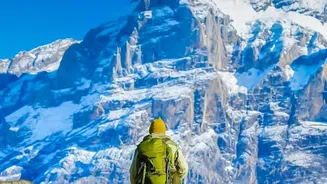
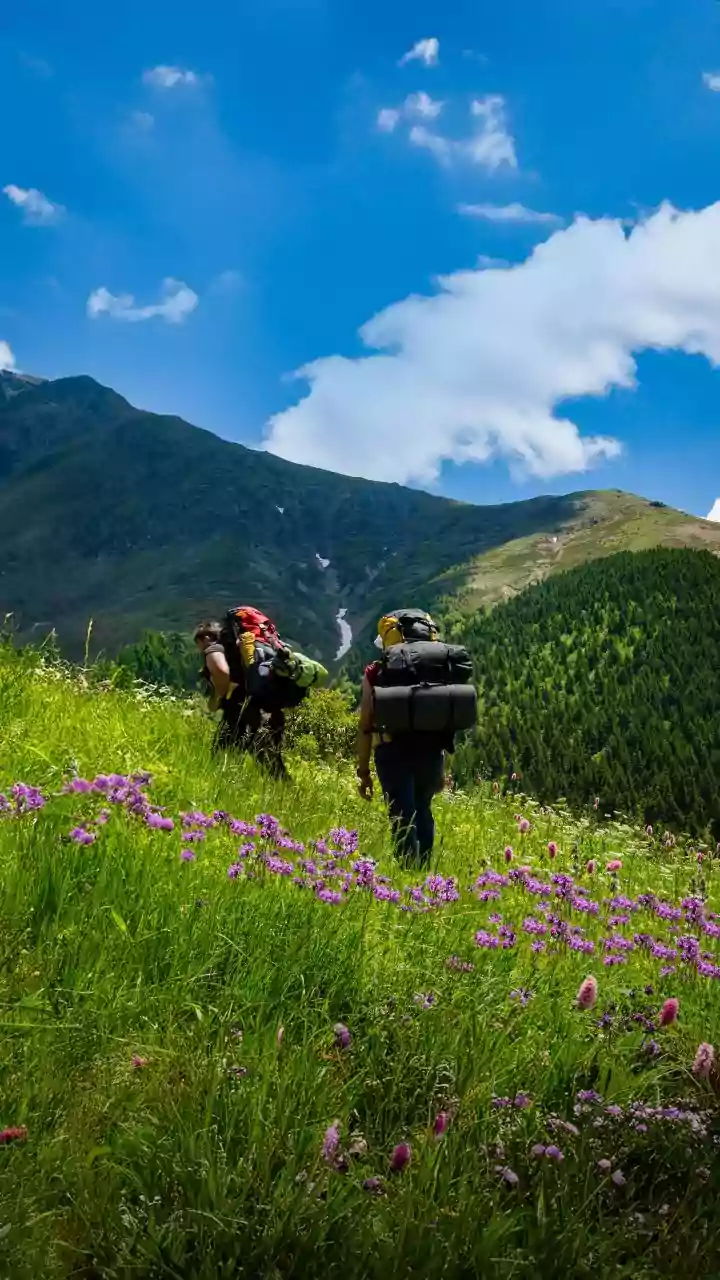
Not all high-altitude treks are safe during the monsoon months of July and August. Experienced travellers stick to trails known for stability and accessibility. The Valley of Flowers is a classic choice, as the monsoon is precisely when its hundreds of flower
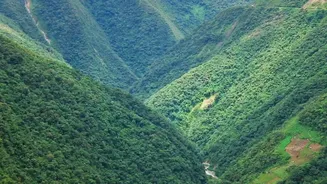
species are in full bloom. The trail is well-managed, making it one of the safest bets. Other viable options include Dayara Bugyal and Nag Tibba, which are known for their gentle slopes and lower risk of landslides. The key is to select treks that don't involve crossing treacherous passes or landslide-prone zones, which are common issues during this season.
Prioritise Acclimatisation Above All Else
High altitude brings the risk of Acute Mountain Sickness (AMS), caused by lower oxygen levels. Symptoms range from headaches and nausea to more severe, life-threatening conditions. The golden rule is to ascend gradually. Planners build extra days into their itineraries. For a trek like the Valley of Flowers, this means spending a full day resting at the Ghangaria base camp (around 3,050 metres) before proceeding. This allows the body to adjust. Staying hydrated and avoiding alcohol are also critical. If symptoms like persistent headache, dizziness, or shortness of breath appear, the only cure is to descend to a lower altitude immediately.
Understand Permits and Regulations
Trekking in many parts of Uttarakhand, especially in national parks, requires permits. For the Valley of Flowers, a permit is needed from the Forest Department, which can be obtained at Ghangaria. For treks like Gaumukh, permits are limited to 150 people per day and must be acquired in advance from the District Forest Officer in Uttarkashi. As of 2026, the Uttarakhand government is formalizing a comprehensive framework to regulate trekking, which may include mandatory fitness certificates and registration for all trekkers. It is essential to check the latest regulations for your specific trail before you go, as rules can change.
Pack Smart for Rain and Cold
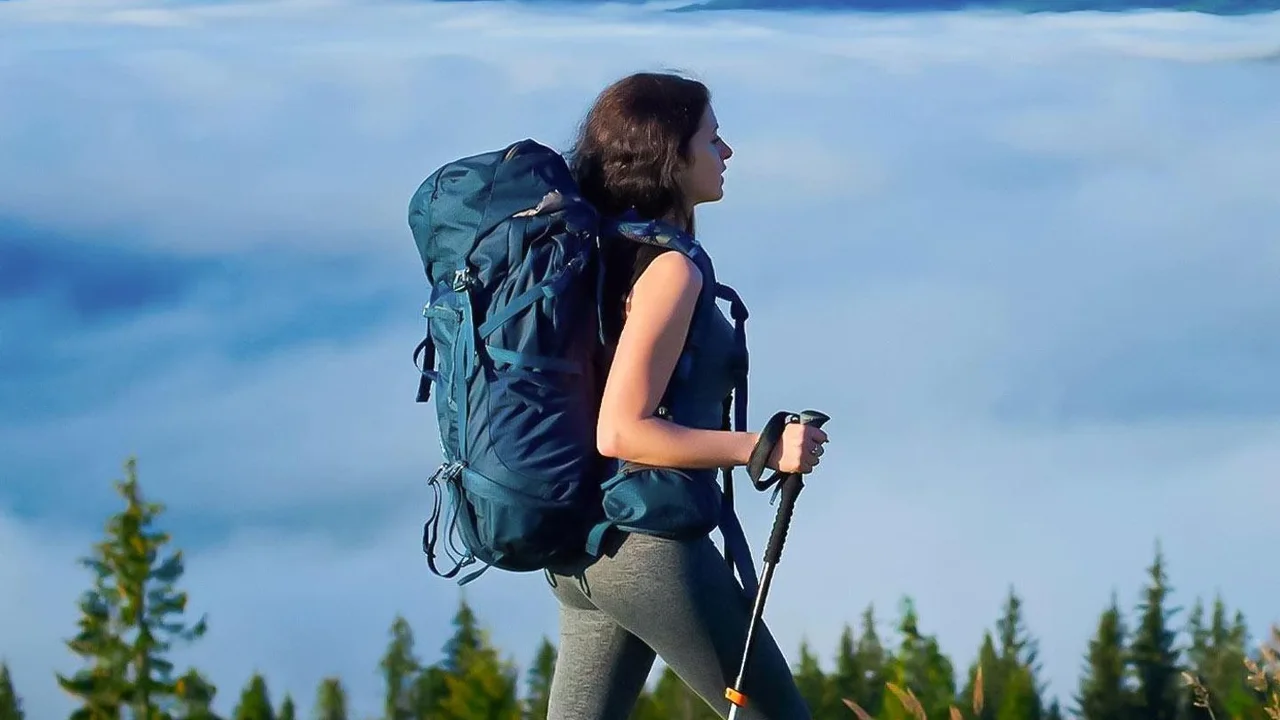
Monsoon trekking demands specific gear. A high-quality waterproof jacket or poncho is non-negotiable. Equally important are waterproof trekking shoes with excellent grip to handle slippery, stone-paved trails. Smart packers use layers: quick-drying synthetic t-shirts, a fleece for warmth, and a waterproof outer shell. Cotton is avoided as it absorbs moisture and stays wet. Extra pairs of socks, a waterproof cover for your backpack, and dry bags or polybags for electronics and clothes are essential. Leech socks and insect repellent are also wise additions for forest sections during the monsoon.
On-Trail Safety and Etiquette
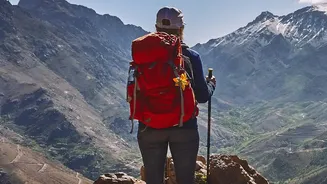
Safe trekking is a continuous process. Always let someone know your detailed itinerary before you leave. On the trail, walk at a steady pace and take frequent breaks. Drink plenty of water throughout the day. While trekking in a group, let the slowest person set the pace to avoid exhaustion and ensure everyone stays together. Start your trek early in the day, as weather in the mountains tends to worsen in the afternoon. Follow the principle of 'leave no trace'—pack out all your rubbish and respect the fragile mountain ecosystem. Finally, hiring a certified local guide is not just a safety measure but also enriches the experience with local knowledge.
The Independence Day Spirit
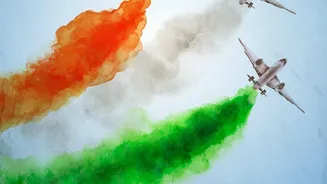
Celebrating Independence Day in the mountains is a profound experience, but it comes with responsibility. It means respecting the environment and the local communities. If you plan any celebration, ensure it's quiet and doesn't disturb the wildlife or other trekkers. Avoid using fireworks, which are a fire hazard and can scare animals. A better way to celebrate is to carry a small flag for a respectful photo at a scenic point, and perhaps share sweets with your fellow trekkers and support staff. The true patriotic act in the Himalayas is to protect its pristine beauty for future generations.