
Understanding Delicate Produce
When we talk about 'delicate' vegetables, we're referring to produce that spoils quickly due to its structure and composition. This group primarily includes leafy greens like spinach (palak), fenugreek (methi), and herbs such as coriander (dhania) and mint
(pudina). These vegetables have a high water content and thin cell walls, making them prone to wilting and decay. Other delicate items include soft-skinned vegetables like cucumbers, bell peppers (capsicum), and ripe tomatoes, which can easily bruise or lose their texture if not handled and stored with care. Understanding which of your vegetables fall into this category is the first step toward extending their life.
The Invisible Enemy: Ethylene Gas
One of the biggest culprits behind premature spoilage is an invisible, odourless gas called ethylene. Some fruits and vegetables are high ethylene producers, acting as natural ripening agents. Apples, bananas, melons, pears, and even ripe tomatoes release this gas. The problem arises when these producers are stored next to ethylene-sensitive produce. Vegetables like broccoli, carrots, leafy greens, and cucumbers are highly sensitive to ethylene, which causes them to yellow, wilt, or develop bitter flavours much faster. A simple rule is to create separation. Never store your apples and bananas next to your spinach or carrots. This separation alone can significantly cut down on food waste.
Mastering Leafy Greens and Herbs
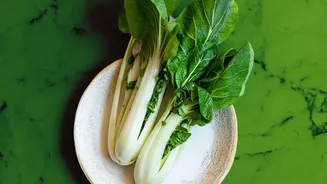
Leafy greens and herbs are notorious for going bad quickly, but a few simple tricks can keep them fresh. The main enemies are excess moisture and unrestricted airflow. One of the most common mistakes is washing greens before storing them. It’s better to keep them dry and wash them just before use. For herbs like coriander and mint, a great method is to trim the stems, place them upright in a jar with a little water (like a bouquet of flowers), and cover them loosely with a plastic bag in the fridge. For leafy greens like spinach, remove any damaged leaves, wrap the dry bunch in a paper towel to absorb excess moisture, and then place it in a loosely sealed bag or container in the crisper drawer. The paper towel wicks away condensation that leads to slimy leaves.
Soft Vegetables and Your Fridge
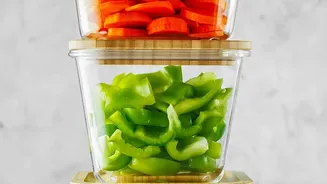
Soft-skinned vegetables require their own strategy. Tomatoes, for instance, can lose their flavour and develop a mealy texture if refrigerated before they are fully ripe. It's best to keep them on the counter until ripe, and then move them to the fridge if you need to store them for a few more days. Cucumbers and bell peppers should be stored in the refrigerator, but not in the coldest part. The crisper drawer is often ideal because it maintains a higher level of humidity, which helps them stay crisp. However, be mindful not to overcrowd the drawer, as this reduces airflow and can trap moisture, leading to faster decay.
What Stays Out of the Fridge
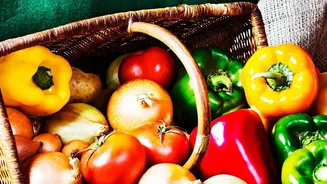
Not all produce belongs in the refrigerator. Onions, garlic, and potatoes thrive in a cool, dark, and dry place with good ventilation, like a pantry or a basket in a shaded kitchen corner. Storing them in the fridge can negatively affect their texture and taste. Crucially, always store onions and potatoes separately. Onions release gases that can cause potatoes to sprout prematurely, while the moisture from potatoes can cause onions to soften and spoil. Keeping them apart is an old piece of kitchen wisdom backed by science that helps both last longer.