


A Network of Steel Arteries
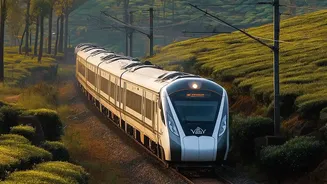
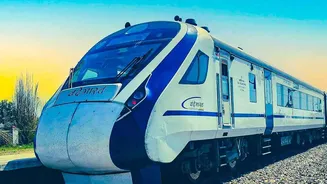
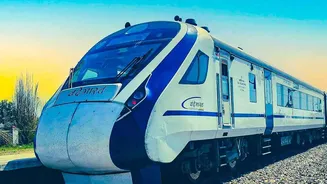
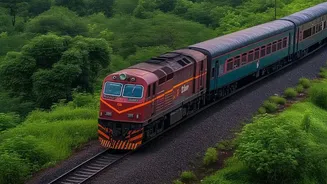
Rajasthan, a state synonymous with majestic forts and sprawling deserts, is now home to a growing network of India's premier semi-high-speed trains. What began with the Ajmer-Delhi Cantt. route has expanded, weaving a web of connectivity that is reshaping
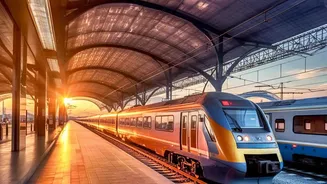
travel for tourists and locals alike. Several Vande Bharat services now crisscross the state, including key routes like Jodhpur to Sabarmati (Ahmedabad), Udaipur to Jaipur, and new services connecting cities like Bikaner to the national capital. These trains are not just modes of transport; they are corridors of progress, significantly slashing travel times and boosting access to the region's economic and cultural centres. For instance, the journey between Ajmer and Delhi Cantt. is now an hour shorter than the previous fastest train.
A Journey Through Time and Terrains
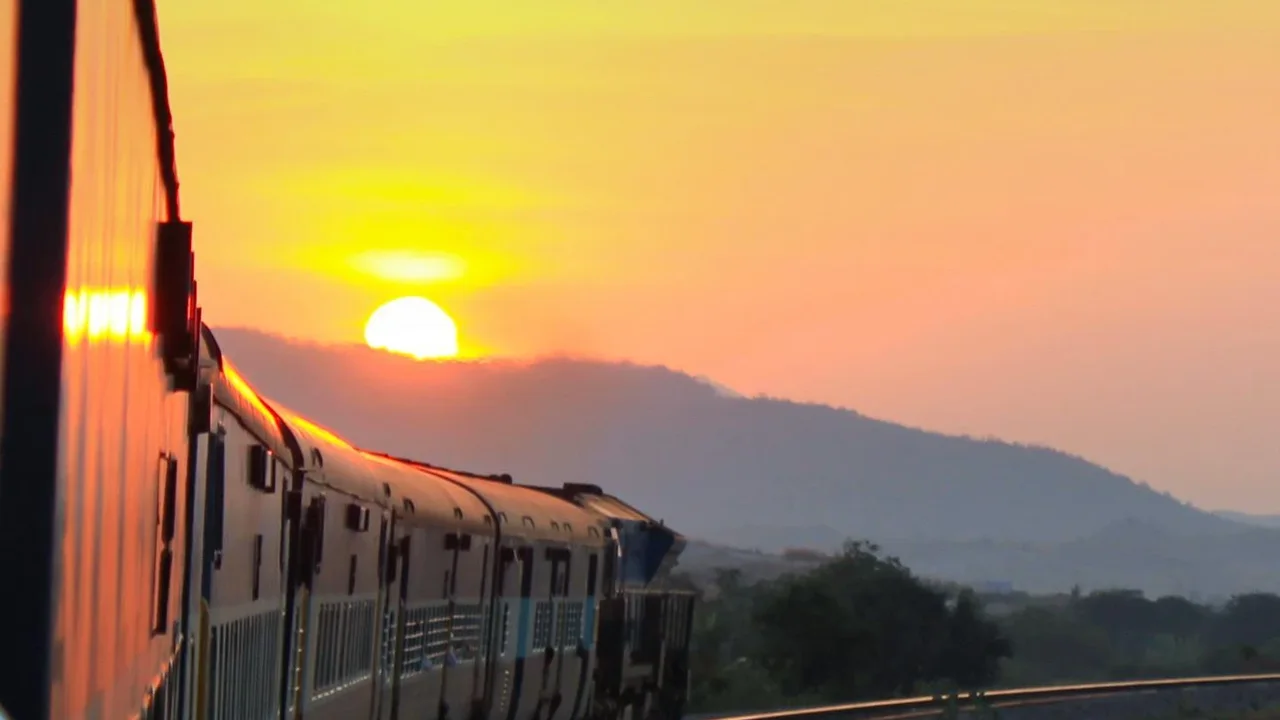
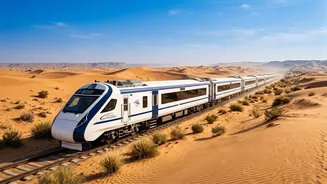
To travel on a Vande Bharat through Rajasthan is to witness a study in contrasts. Outside the large, panoramic windows, the timeless expanse of the desert unfolds. One of the most breathtaking stretches is along the Jodhpur route, where the train speeds past the Sambhar Salt Lake, India's largest inland salt lake. For a few mesmerising moments, the train appears to float across a shimmering, almost otherworldly landscape of white salt flats and shallow waters, a sight often compared to the Rann of Kutch. This juxtaposition of the sleek, modern train, capable of speeds up to 130 km/h, against an ancient, serene wetland that hosts thousands of migratory flamingos in winter, offers a unique travel experience. It’s a moment where 21st-century engineering meets a landscape that has remained unchanged for millennia.
Engineered for a Grand View
The Vande Bharat Express is designed to make the journey as compelling as the destination. The experience is a significant upgrade from conventional train travel, crafted for comfort and sightseeing. Coaches are fully air-conditioned, featuring spacious seating and an aesthetic more akin to an aircraft cabin. The Executive Class coaches offer seats that can rotate 180 degrees, allowing passengers to always face the direction of travel or turn their seats to socialise with fellow travellers. Large, single-pane windows are a deliberate feature, providing an uninterrupted vista of the passing Rajasthani scenery. With amenities like onboard Wi-Fi for infotainment, GPS-based passenger information screens, and automatic doors, the train is a self-propelled hub of modern convenience.
Connecting Commerce, Culture, and Pilgrimage
The impact of this enhanced connectivity extends deep into the socio-economic fabric of Rajasthan. The trains have been a boon for the tourism industry, a cornerstone of the state's economy. Journeys to major tourist destinations like Jaipur, Jodhpur, Udaipur, and Ajmer are now faster and more comfortable, encouraging more frequent visits. The Ajmer route, for example, provides improved access for pilgrims visiting the revered Ajmer Sharif Dargah and the holy town of Pushkar. Similarly, the Jodhpur–Sabarmati line seamlessly connects Rajasthan's Blue City with Gujarat's commercial hub, fostering business travel and regional trade. By linking major heritage sites with urban centres, the Vande Bharat network is not just carrying passengers; it's driving a new wave of economic activity and cultural exchange across the state.