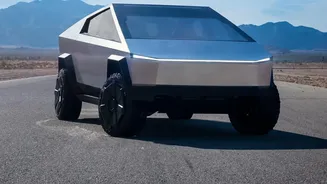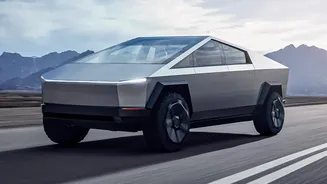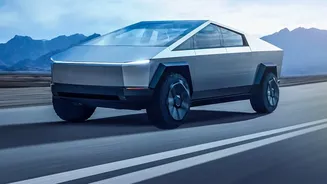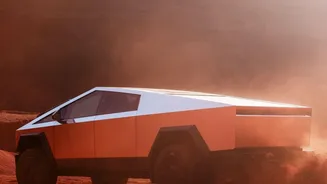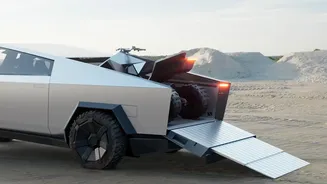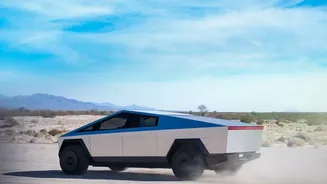


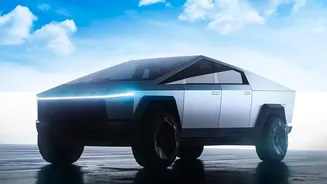
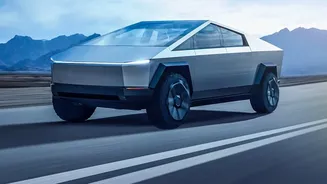
In a move that has surprised the automotive world, Tesla is officially pumping the brakes on its iconic Cybertruck. CEO Elon Musk confirmed the company will wind down production by mid-2027, signalling a major pivot for the EV giant.
The End of a Controversial Era
Tesla CEO Elon Musk
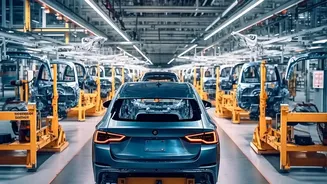
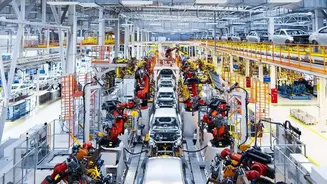
announced on social media platform X that the company will cease manufacturing its polarizing electric pickup at Gigafactory Texas around the middle of 2027. The decision marks a definitive end for a vehicle that has been a lightning rod for debate since its 2019 unveiling. The reason given for this surprising move is to reallocate factory space and resources to ramp up the production of the 'Cybercab', Tesla's autonomous robotaxi. This strategic shift underscores the company's growing focus on artificial intelligence, robotics, and its vision for a driverless future, moving away from niche vehicle projects.
Why Is Tesla Ditching the Cybertruck?
The core reasons behind the decision appear to be commercial. Despite initial hype and over a million reservations, the Cybertruck has struggled to translate that interest into sales. When deliveries began in late 2023, Musk had projected annual sales could reach 250,000 units. However, sales figures have fallen dramatically short of that target. Data from Kelley Blue Book shows that Tesla sold 20,237 Cybertrucks in the U.S. in 2025, a steep 48% decline from the 38,965 sold in 2024. The vehicle's high price point, which ended up being significantly more than the originally announced sub-$40,000 figure, combined with its unconventional design, limited its appeal to a mass market. Furthermore, the truck has been plagued by a series of quality issues and at least 11 recalls, adding to its production woes.
The Pivot to Cybercab
Tesla's leadership sees a much larger opportunity in autonomous vehicles than in the competitive pickup truck market. By freeing up the Giga Texas production line, the company can accelerate the manufacturing of its Cybercab, a two-seat vehicle with no steering wheel or pedals that forms the heart of its robotaxi ambitions. Musk has stated that the 'opportunity cost' of the Cybertruck's complexity is 'vastly outweighed' by the potential value of producing more Cybercabs. This move is a clear signal to investors that Tesla is prioritizing its long-term bet on creating a massive, revenue-generating autonomous ride-hailing network. Production of the Cybercab began in early 2026, and the service is already operating in parts of Austin, Texas.
What Happens to Existing Orders and Owners?
The announcement has left many current and prospective owners with questions. Musk has indicated that the order backlog for the Cybertruck is larger than what Tesla can produce before the line is dismantled in mid-2027. To address this, he announced that Tesla will add an extra production shift to try and fulfill all existing orders before the cutoff. However, it remains unclear if all configurations will be built. For current owners, Musk has offered some reassurance, stating that the 'Cybertruck fleet will be around for a long time', implying continued support, though specifics on long-term parts and service have not been detailed.
The India Perspective
For years, Tesla enthusiasts and potential buyers in India have been eagerly awaiting the brand's official entry into the market. While the Cybertruck was always a long shot for an official Indian release due to its size and price, this news solidifies its fate. The focus on the Cybercab and autonomous technology is a global strategic shift for Tesla. While a robotaxi network in India faces immense regulatory and infrastructural hurdles, the underlying technology—AI, autonomous driving software, and advanced batteries—is what will likely define any future Tesla products that do arrive in the country. This decision reinforces that Tesla's priority is no longer just selling electric cars, but creating a new ecosystem of autonomous mobility.