







The New Wave of Plant-Based Gelato
Walk into a trendy café today, and you'll find the dessert menu has evolved. Alongside classic dairy-based gelatos, there’s a growing selection of plant-based options that promise genuine creaminess. This isn’t the icy, lacklustre sorbet of the past.
We're talking about a complete reinvention, where dairy-free is the star, not the substitute. Brands like Nomou, Minus.30 and Zimero are becoming household names for dessert lovers in India, offering handcrafted, gourmet vegan gelatos that are winning awards and converting sceptics. This shift is a response to a clear demand from health-conscious consumers, lactose-intolerant individuals, and a rising vegan population who refuse to settle for anything less than decadent. The result is a frozen dessert that stands proudly on its own.
The Science of Creaminess
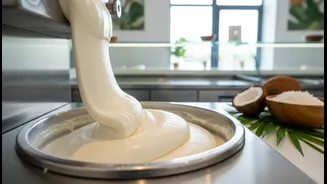
The magic of traditional gelato lies in its fat content, which creates that signature smooth, dense texture. Replicating this without milk fat has always been the primary challenge for vegan alternatives. The secret, it turns out, is in finding the right plant-based fats. Full-fat coconut milk and cream have long been the go-to ingredients for their richness. But the innovation doesn't stop there. Food artisans are now employing a wider, more sophisticated palette of ingredients to build that perfect, luxurious mouthfeel. By carefully selecting and combining different plant-based milks, fats, and natural stabilisers, chefs are able to overcome the dreaded iciness that once plagued dairy-free desserts.
Beyond Almond and Soy
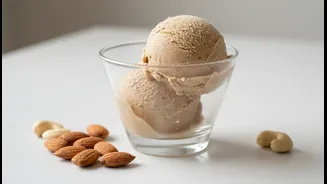
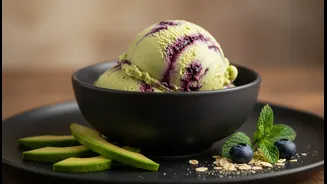
The real revolution is in the variety of ingredients now being used. Oat milk has emerged as a game-changer, prized for its neutral flavour and creamy consistency, which allows the primary flavours of the gelato to shine through without any nutty or coconutty undertones. Big brands like Ben & Jerry's have even reformulated their entire non-dairy line to use an oat milk base. Another star ingredient is avocado. Its high content of healthy fats and smooth, buttery texture make it a perfect, if surprising, base for rich flavours like chocolate or lime. Other creative additions include cashew cream for its luxurious feel, tahini for nutty depth, and natural thickeners like cornstarch or guar gum to ensure a consistently smooth scoop.
A Revolution in Flavour
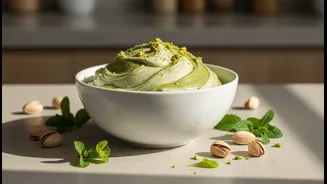
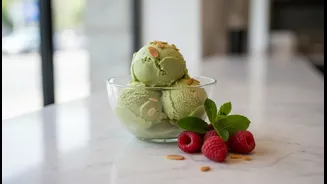
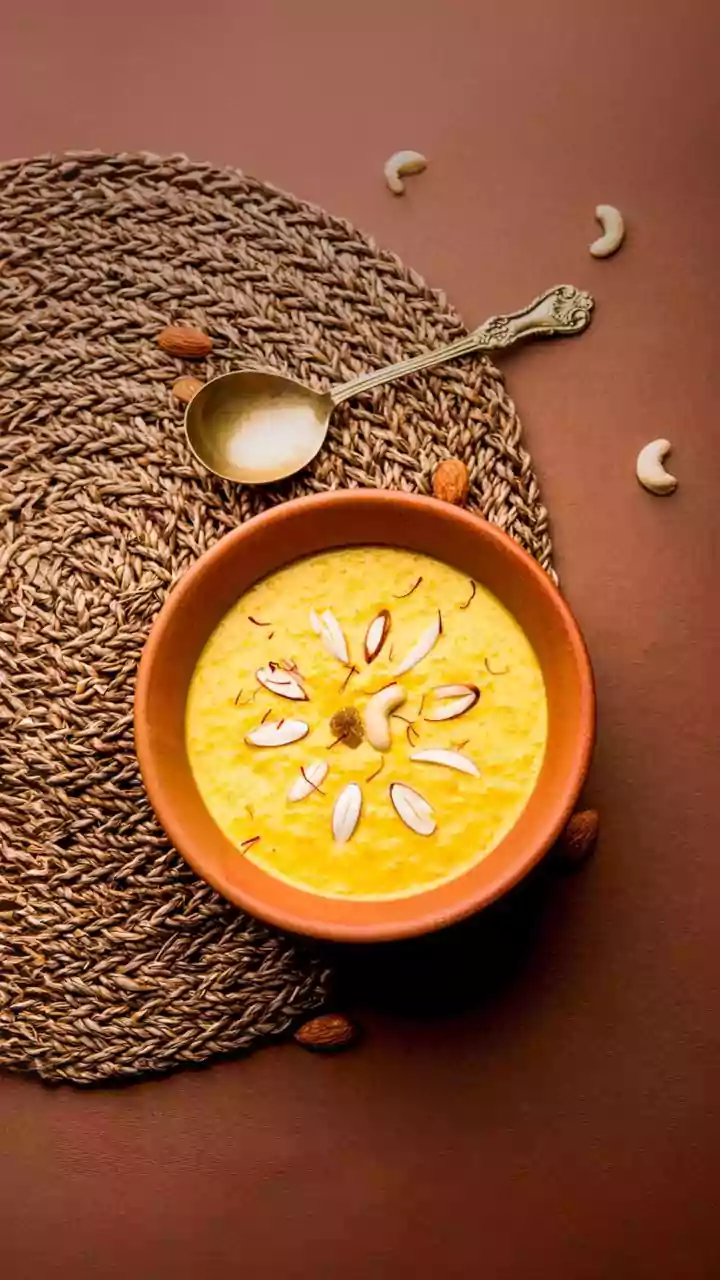
These new bases aren't just texture-enhancers; they're unlocking new flavour possibilities. A neutral oat milk base can carry delicate floral notes like rose or the complexity of Japanese matcha without overwhelming them. The subtle sweetness of coconut milk pairs perfectly with tropical fruits like Alphonso mango or bold spices. This has led to an explosion of creativity in artisanal kitchens. In India, brands are developing unique flavours inspired by local tastes, such as Paan, Thandai, and Saffron Pistachio gelato, things rarely seen in the dairy-dominated market. It's a clear sign that chefs are no longer just mimicking dairy recipes but are creating entirely new dessert experiences built around the unique properties of plant-based ingredients.
Driven by Conscious Consumers
This culinary trend is deeply connected to a broader shift in consumer behaviour. The demand for plant-based options is not just a fad; it's driven by a growing awareness around health, dietary restrictions, environmental sustainability, and animal welfare. People are more mindful of what they eat and are actively seeking cleaner, more ethical food choices. The rise of quick commerce and social media has also made these niche products more discoverable and accessible than ever before. Artisanal cafes and brands are tapping into this movement, offering products that are not only delicious but also align with the values of a new generation of consumers.