

Makhan Misri: The Quintessential Offering
No Janmashtami bhog is complete without Makhan Misri, a dish that directly celebrates Lord Krishna’s childhood moniker, ‘Makhan Chor’ or butter thief. This simple yet profound preparation consists of just two main ingredients: freshly churned, unsalted
white butter (makhan) and rock sugar (mishri). The beauty of this offering lies in its simplicity and raw, unadulterated taste. The creamy, rich butter paired with the crunchy sweetness of mishri creates a delightful texture and flavour. It requires no cooking, only the gentle folding of crushed rock sugar into fresh butter, often garnished with a holy Tulsi leaf before being offered. This dessert is not just a sweet treat; it's a symbolic representation of pure love and devotion, making it the most cherished and essential item on the festive menu.
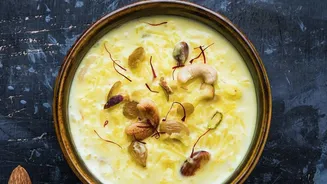
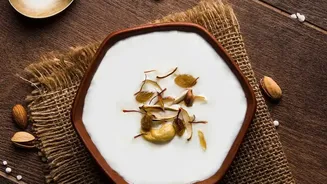
Kheer: The Creamy, Comforting Classic
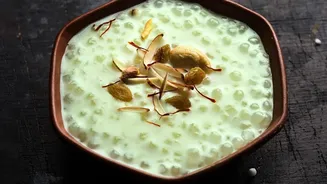
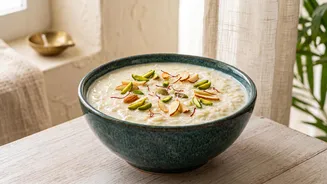
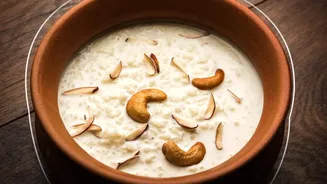
Kheer, a fragrant and creamy rice pudding, is a staple dessert across countless Indian festivals, and Janmashtami is no exception. Made by slow-cooking rice in full-fat milk until it becomes thick and luscious, kheer is the embodiment of comfort and festive indulgence. The mixture is sweetened with sugar and traditionally flavoured with cardamom powder and saffron, which imparts a beautiful golden hue and an irresistible aroma. Garnished with slivered almonds, pistachios, and sometimes raisins, every spoonful is rich and satisfying. While rice kheer is the most common, variations like Makhana Kheer (using fox nuts) are also popular for Janmashtami, offering a lighter yet equally delicious alternative. Its universal appeal makes it a perfect dish to prepare for family and share as prasad.
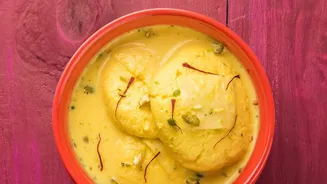
Rabri: A Decadent, Slow-Simmered Delight
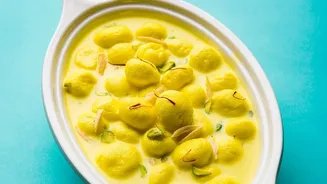
For those who appreciate a truly rich and decadent dessert, Rabri is an unparalleled choice. This traditional sweet is made by simmering full-fat milk in a heavy-bottomed pan for an extended period, allowing it to reduce and thicken naturally. As the milk simmers, layers of cream (malai) form on the surface, which are carefully moved to the sides of the pan. This process is repeated until the milk is significantly reduced, and then these collected layers of cream are scraped back into the thickened milk, creating a lusciously thick, lachhedar (layered) texture. Sweetened with sugar and often flavoured with saffron, cardamom, and chopped nuts, Rabri is a testament to the magic of slow cooking. It can be served warm or chilled on its own, or as an accompaniment to other sweets like jalebi or malpua.
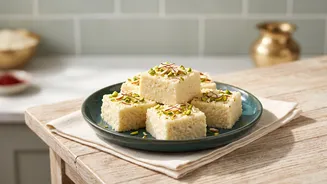
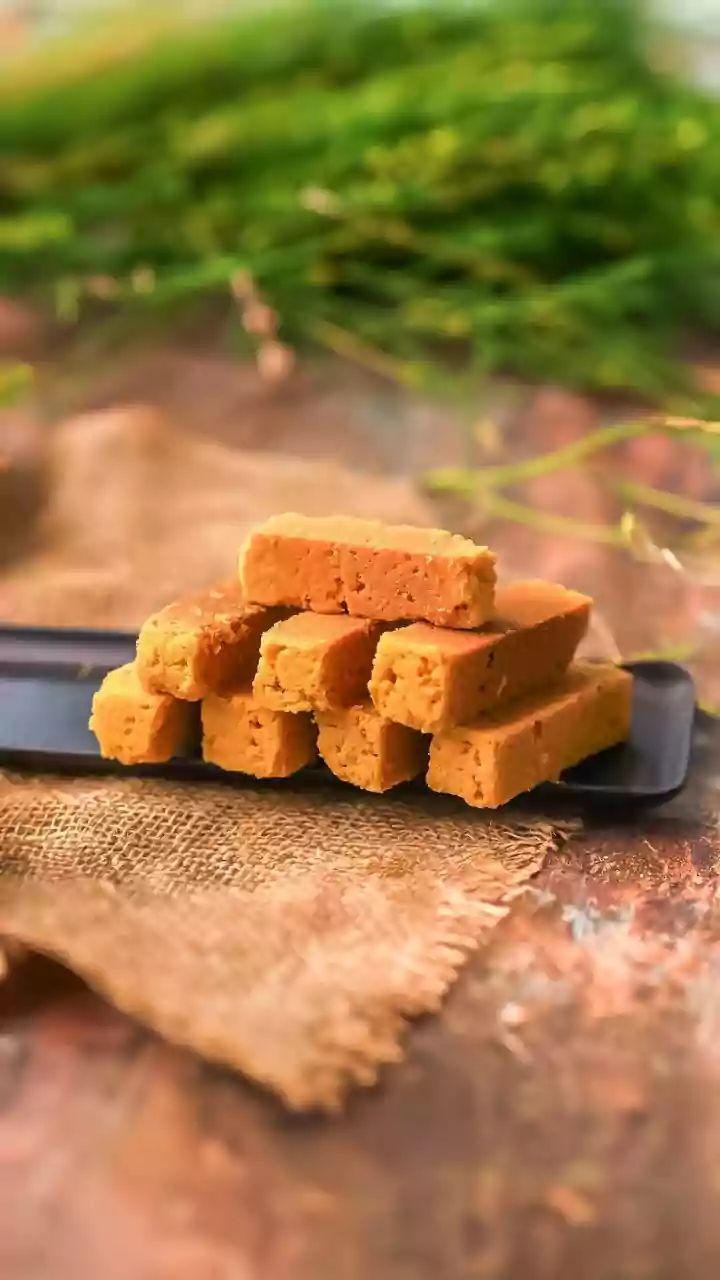
Kalakand: The Grainy, Melt-in-Your-Mouth Milk Cake
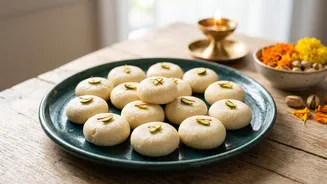
Kalakand is a beloved Indian milk cake celebrated for its unique grainy yet melt-in-your-mouth texture. Made from solidified, sweetened milk and paneer (or chenna), it's a wonderfully simple sweet that is perfect for festive offerings. The process involves cooking down milk and sugar, then adding crumbled paneer and continuing to cook until the mixture thickens and leaves the sides of the pan. The result is a soft, fudgy sweet that is mildly dense and incredibly flavourful. Often flavoured with cardamom powder and garnished with chopped pistachios, Kalakand’s milky white appearance symbolises purity, making it a fitting sattvic offering for Lord Krishna. Modern recipes often use condensed milk and pre-made paneer to speed up the process, making it an accessible treat even for busy households.
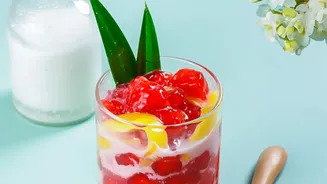
Panchamrit: The Sacred Nectar of Five Ingredients
While more of a sacred drink than a dessert, Panchamrit is an indispensable part of Janmashtami puja and fits the milk-based theme perfectly. The name translates to 'five nectars,' referring to its five core ingredients: raw milk, yogurt (curd), honey, sugar, and ghee. Each ingredient holds symbolic meaning, representing purity (milk), prosperity (curd), dedication (honey), bliss (sugar), and victory (ghee). This holy concoction is used for the ritual bathing (abhishek) of the deity's idol and is then distributed among devotees as prasad. Often, other ingredients like Tulsi leaves, makhana (fox nuts), or rose water are added to enhance its flavour and sanctity. No Janmashtami ritual feels complete without this divine, cooling nectar that nourishes both body and soul.