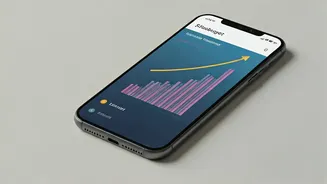










The Rise of the Neo-Bank
First, what exactly is a neo-bank? Unlike traditional banks with physical branches, neo-banks are entirely digital, operating through sleek, user-friendly smartphone apps. In India, players like Jupiter, Fi, Niyo, and Slice have surged in popularity,
particularly among millennials and Gen Z. Their core appeal is convenience: instant account opening, zero-balance options, and a seamless interface. But their secret weapon for capturing the youth market goes beyond just being digital. They’ve tapped into the psychology of gaming to make finance engaging, a strategy known as gamification.
Turning Finance into Fun
Gamification is the process of adding game-like elements to non-game activities to boost engagement and motivation. Think of the points you earn on a coffee shop loyalty app or the badges you unlock on a fitness tracker. Neo-banks are applying the same principles to personal finance. Instead of presenting budgeting as a restrictive and boring task, they frame it as a series of challenges, rewards, and achievements. This approach directly appeals to a generation raised on video games and social media, where progress bars, points, and instant feedback are the norm. It transforms the abstract concept of 'financial health' into a tangible, rewarding journey.
Points, Streaks, and Rewards in Action
So, what do these gamified features look like in practice? It’s a mix of clever nudges and satisfying rewards. For instance, a user might earn 'points' or 'coins' for every transaction, which can be redeemed for cashback or discounts. Apps like Jupiter use a system called 'Jewels' as a reward currency. Others, like Fi, have incorporated 'FIT Rules' that automatically save small amounts of money based on user-defined triggers, making saving feel effortless and automated. Many apps also feature 'scratch cards' that offer a surprise reward after a payment, mimicking the thrill of a lottery ticket. Another popular feature is the 'streak,' where users are rewarded for consistently meeting a savings goal or avoiding certain types of spending for consecutive days, building positive financial habits through repetition and positive reinforcement.
The Psychology of Why It Works
These features are highly effective because they tap into fundamental human psychology. The instant reward of points or a scratch card provides a small dopamine hit, creating a positive association with the banking app and encouraging frequent use. Progress bars and savings challenges provide a clear sense of accomplishment and control, empowering users to take charge of their finances. By breaking down large financial goals (like saving ₹50,000 for a trip) into smaller, manageable steps (saving ₹200 daily), these apps make the objective feel less daunting. This is a stark contrast to the traditional banking experience, which often feels passive and opaque, with statements arriving long after the spending decisions have been made.
Building Literacy or Encouraging Spending?
While gamification is a powerful tool for engagement, it’s not without potential downsides. Critics raise a valid concern: does rewarding transactions encourage responsible spending, or does it simply encourage more spending? If users are chasing points and rewards, they might be tempted to make unnecessary purchases. The key is balance. The most effective gamified apps focus on rewarding good financial behaviour, such as consistent saving or meeting budget goals, rather than just the volume of transactions. When done right, these features can serve as an accessible entry point to financial literacy, teaching young adults the basics of budgeting, saving, and tracking expenses in a low-stakes, engaging environment. They help build a foundational awareness of money management that can last a lifetime.