





The Daily Damage of the Desk Job
Spending eight hours or more in a seated position might seem harmless, but our bodies are designed for movement. Prolonged sitting puts us in a state of inactivity that can have significant consequences. Health experts warn that this sedentary behaviour
is linked to a host of issues, including an increased risk of obesity, type 2 diabetes, and cardiovascular problems. On a more immediate, physical level, sitting shortens and tightens key muscles like your hip flexors, while causing others, like your glutes, to become weak or inactive. This creates muscle imbalances that can lead to poor posture, chronic lower back pain, stiff shoulders, and a general feeling of being locked up. Even for those who exercise regularly, a full day of sitting can still contribute to these negative effects.
Foam Rolling: Your Personal Deep Tissue Massage
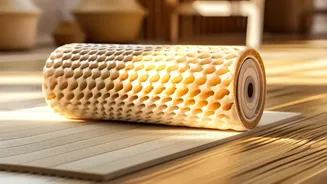
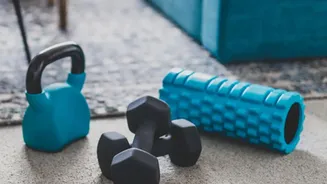
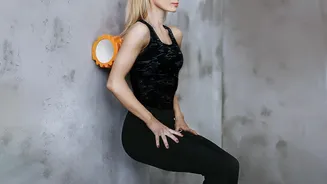
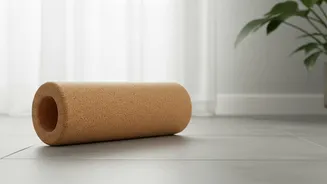
Enter the foam roller, a simple cylinder of dense foam that can act as your personal massage therapist. The practice, known as self-myofascial release (SMR), involves using your body weight to apply pressure to specific muscle groups. This pressure helps to release painful muscle knots and adhesions where muscle fibres have clumped together, improving flexibility and easing tension. Regular foam rolling increases blood flow to the muscles, which helps deliver nutrients and aids in recovery. For the desk worker, this is a powerful tool to directly target and release the muscles that become tight and overactive from being in a fixed position all day, such as the hip flexors, upper back, and calves.
Key Foam Rolling Moves for Office Workers
To get started, focus on the areas most affected by sitting. For your upper back, lie on the floor and place the roller horizontally under your shoulder blades. Support your head with your hands and gently roll up and down, from the mid-back to the top of your shoulders, avoiding your neck and lower back. To target tight hips and glutes, sit on the roller with one ankle crossed over the opposite knee in a figure-four position. Gently roll over the glute of the bent-leg side, pausing on any particularly tender spots. For your calves, which can tighten from being in a fixed position, sit with the roller under one calf and use your hands to support your weight as you roll from ankle to just below the knee. Spend about 30-60 seconds on each spot, breathing deeply to help the muscle relax.
Mobility Drills: Reclaiming Your Movement
While foam rolling helps release tight muscles, mobility drills are about actively moving your joints through their full range of motion. This is different from static stretching; it’s about teaching your body to move well again. Sitting locks your spine and hips into a single position, and mobility work helps to reverse that by waking up dormant muscles and re-establishing fluid movement. These exercises are often dynamic and focus on control, helping to restore the natural function of your joints that gets compromised after hours in a chair. Regular mobility work can improve posture, reduce stiffness, and make everyday movements feel easier and more fluid.
Essential Mobility Drills to Try
Three simple drills can make a world of difference. First, the Cat-Cow stretch, which can be done standing with hands on your thighs or on all fours. Gently alternate between arching your back (cow) and rounding your spine (cat) to mobilise the entire spinal column. Second, Hip Circles. Stand with your feet hip-width apart and make large, slow circles with your hips, first in one direction and then the other. This helps to loosen the hip joint and tight surrounding muscles. Finally, Thoracic Spine Rotations. Kneel on all fours, place one hand behind your head, and rotate your elbow and upper body towards the ceiling, then bring it back down. This specifically targets the mid-back, which gets rounded and stiff from slouching.
Creating a Consistent Routine
While the headline suggests these drills can 'undo' a day of sitting, the real benefit comes from consistency. Think of it less as an eraser and more as a vital maintenance routine for your body. Aim for just 10-15 minutes of combined foam rolling and mobility work at the end of your workday. This can help you transition out of your 'work posture' and feel more limber for the evening. You can also incorporate 'movement snacks' throughout the day—a few standing side bends or shoulder rolls every hour can prevent stiffness from setting in. The key isn't to perform a long, gruelling workout, but to consistently and intentionally move your body in the ways it can't while you're seated.