


Good News and Bad News
The latest 'State of Food Security and Nutrition in the World' (SOFI) report, released by five UN agencies, offers a mixed verdict for India. The good news is that undernourishment has significantly decreased, falling to 9.8% of the population in 2023-25
from 21.1% two decades ago. This marks major progress in ensuring people get enough calories. However, the report sounds an alarm on another front: the affordability of a truly healthy diet. A staggering 35.5% of Indians, or over 520 million people, could not afford a nutritionally adequate diet in 2025. This creates a paradox where bellies might be full, but the body's need for essential vitamins and minerals goes unmet, a condition often called "hidden hunger."
The Rising Cost of a Healthy Thali
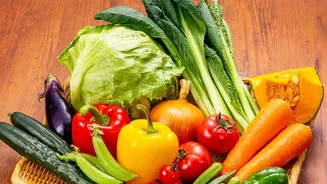
The core issue highlighted by the UN report is the escalating cost of nutritious food. In 2025, the price of a healthy diet in India reached PPP $4.11 per person per day, a sharp 48% increase since 2017. This inflation in healthy foods like vegetables, fruits, pulses, and dairy outpaces the cost of basic cereals. As a result, many families are forced to rely on cheaper, calorie-dense staples like rice and wheat, at the expense of a diverse and micronutrient-rich diet. The report notes that 70-75% of the final cost of healthy foods is determined by factors beyond the farm gate, including processing, logistics, and storage, pointing to systemic inefficiencies.
Impact on Rice, Wheat, and Millets
For everyday staples, the report's implications are twofold. Firstly, the reliance on subsidised rice and wheat through the Public Distribution System (PDS) has been crucial for achieving caloric security. However, this has also contributed to a dietary imbalance. Secondly, climate change, a key theme in recent UN reports, poses a direct threat. Rising temperatures and erratic weather patterns are projected to reduce the yields of major crops like rice and wheat and can even diminish their nutritional value. This puts pressure on both availability and quality. In response, the report indirectly champions a shift towards more climate-resilient and nutritious grains like millets, which are better suited to arid conditions and require less water.
A Push for Fortification
To combat micronutrient deficiencies, the UN report reinforces the importance of food fortification. This involves adding essential vitamins and minerals like iron, folic acid, and Vitamin B12 to staple foods. India's government has already mandated the fortification of rice and wheat flour for its welfare schemes, including the PDS and Mid-Day Meal programmes. You may have noticed the '+F' logo on packages of atta, oil, or milk, which signals that the product meets the standards set by the Food Safety and Standards Authority of India (FSSAI). The report suggests that scaling up these fortification programmes to cover more people and possibly more foods, like pulses and oils, is a critical step towards improving the nation's overall nutritional status.
What This Means for You
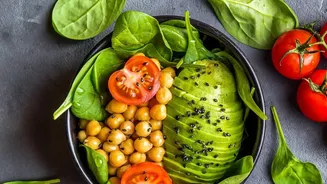
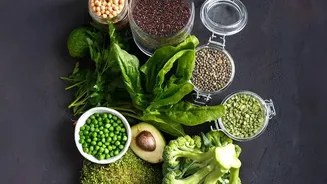
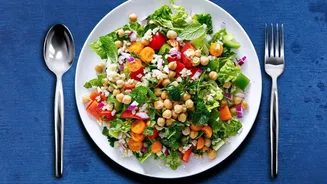
While government policies will play the largest role, the report's findings also have implications for our personal choices. The primary takeaway is the need to move beyond thinking about just 'food security' (having enough food) to 'nutrition security' (having enough of the right food). This means consciously trying to diversify the staples on our plate, incorporating more dals, legumes, local vegetables, and millets alongside rice and roti. It also means paying attention to food labels and choosing fortified products when possible to bridge nutritional gaps. The report serves as a reminder that what we eat is shaped by global economics and climate events, making informed choices in our own kitchens more important than ever.