





The Golden Rules of Fasting
The foundation of Navratri fasting cuisine is a set of dietary principles observed with devotion. Grains like wheat and rice, lentils, and certain spices like onion and garlic are avoided. This creates a culinary challenge that home cooks have met for
generations by turning to a fascinating array of alternative ingredients. The focus shifts to 'sattvic' foods—those that are considered pure, light, and easy to digest—such as fruits, dairy products, and specific non-cereal flours. Rock salt, or 'sendha namak', replaces common table salt. This shared framework sets the stage for incredible regional creativity, proving that restriction can often be the mother of culinary invention.
Northern Plains: The Power of Pseudo-Grains
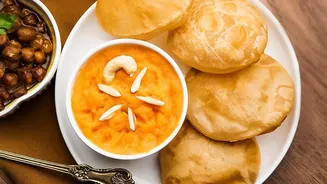
In North India, the fast is powered by hearty pseudo-grains that thrive in the region. Flours like 'kuttu ka atta' (buckwheat flour) and 'singhara ka atta' (water chestnut flour) are pantry staples. Despite its name, buckwheat is not a type of wheat but a seed, making it permissible for fasting. These flours are transformed into a variety of dishes, from crispy 'kuttu ki puri' and 'pakoras' to wholesome 'cheelas' (pancakes). Amaranth flour, or 'rajgira', is another popular choice, often used for making rotis or sweet 'laddoos'. These ingredients are nutrient-dense, providing sustained energy for the nine days of fasting and reflecting the agricultural bounty of the northern states.
Western India: The Sabudana Phenomenon
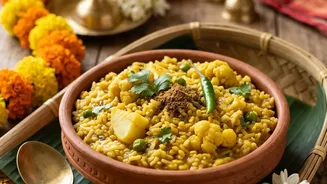
Travel west to states like Maharashtra and Gujarat, and you'll find 'sabudana' (tapioca pearls) reigning supreme. The beloved 'Sabudana Khichdi'—a delightful mix of soaked sago pearls, roasted peanuts, potatoes, and mild spices—is a fasting icon. Another favourite is the 'Sabudana Vada', a deep-fried, crispy patty that is crunchy on the outside and soft on the inside. Though not a native grain, sabudana, which is a starch extracted from the cassava root, was embraced for its high carbohydrate content that provides a quick energy boost. Its combination with peanuts, a staple crop in the region, makes for a balanced and satisfying meal that has become synonymous with fasting in Western India.
Southern Traditions: Sundal and Simplicity
In South India, Navratri celebrations often revolve around the 'Golu' doll display, and the food customs can be different. While strict fasting with grain alternatives is practiced by some, a key culinary tradition is the preparation of 'sundal'. Sundal is a simple and savoury stir-fry made from different legumes like chickpeas or peanuts, seasoned with mustard seeds, curry leaves, and fresh coconut. A different type of sundal is often prepared as an offering ('prasadam') on each of the nine nights. For those observing a stricter fast, the diet leans towards fresh fruits, milk, and simple tuber-based preparations, celebrating purity with minimal ingredients. Dishes like 'sweet pongal' or fruit salads are also common.
The All-India Staples: Tubers and Millets
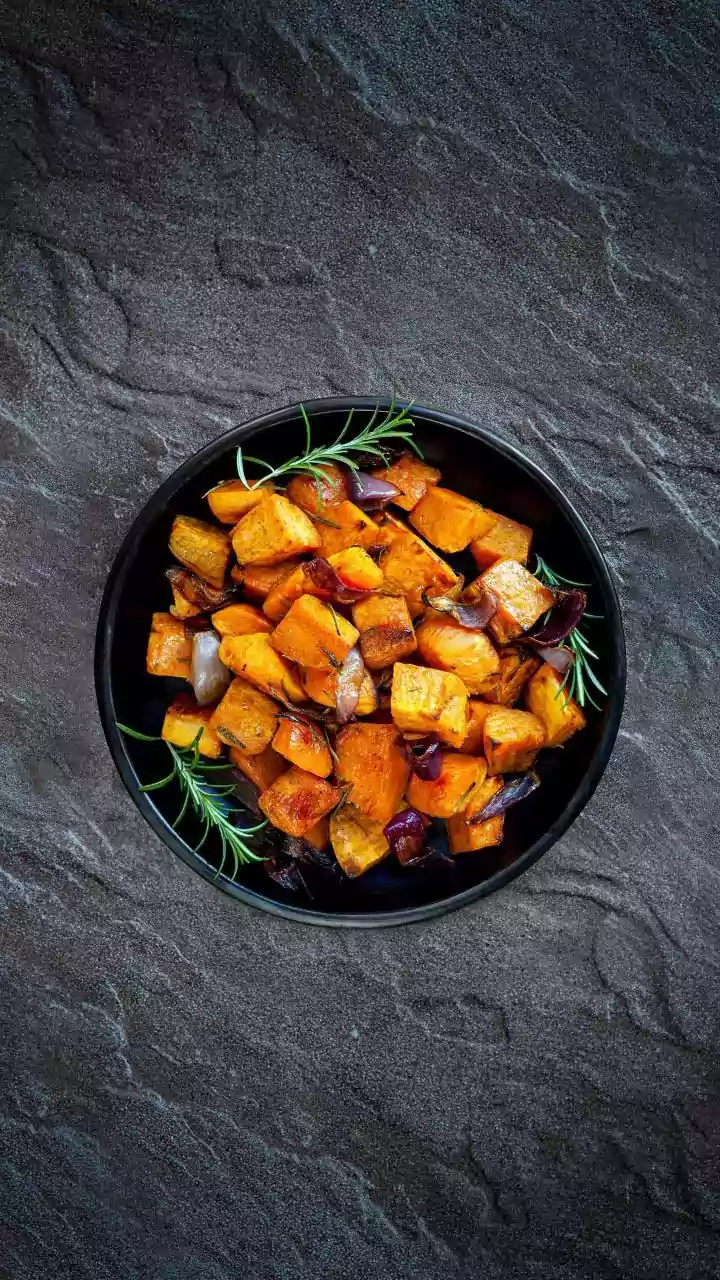
Across all regional variations, a few humble ingredients unite the country's fasting plates. The versatile potato is a universal favourite, appearing in everything from simple stir-fries ('jeera aloo') to rich curries and fillings for dosas and puris. Other tubers like sweet potato ('shakarkandi') and yam ('jimikand') are also widely used. Another common ingredient is barnyard millet, known as 'samak rice' or 'moriyo'. This tiny millet cooks quickly and serves as a perfect substitute for rice, used to make everything from pulao and khichdi to idlis and dosas. These ingredients form the reliable, energy-giving backbone of Navratri cuisine, adapted and flavoured to suit local tastes from Punjab to Kerala.