





Tires: Your First Line of Defence
Your tires are the only part of your car in direct contact with the road, making them critical for monsoon safety. Wet roads dramatically reduce grip, and driving at night means you can't easily spot large puddles or slick patches. Before you even turn
the key, a few simple checks can make all the difference. Worn tires are a primary cause of hydroplaning, where a layer of water builds between the rubber and the road, causing a complete loss of steering control. Preparing your tires is a non-negotiable step for safe monsoon driving.
Check Tire Tread Depth
Adequate tread depth is essential for channeling water away from the tire's surface. While the legal minimum tread depth is 1.6 mm, for monsoon conditions, experts recommend having at least 3 mm of tread to ensure a safe grip on wet roads. You can easily check this with a tread depth gauge or by using the classic coin test. If your tires are looking bald or the tread is visibly low, it's time for a replacement. Driving on worn tires in the rain is a risk not worth taking.
Verify Tire Pressure
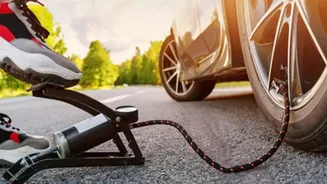
Proper tire inflation is crucial for maintaining control on wet surfaces. Both underinflated and overinflated tires can reduce traction. An underinflated tire can't properly displace water, making it much more likely to hydroplane. Check your vehicle's manual or the sticker on the driver's side door jamb for the manufacturer's recommended pressure level. Make it a habit to check the pressure regularly, as it can be affected by temperature changes.
Essential Pre-Drive Vehicle Checks
Beyond tires, a few other components need to be in top shape for night-time rain. Good visibility is paramount. Ensure your windshield wipers are not cracked or worn out; they should clear water without leaving streaks or smudges. Top up your windshield washer fluid, as you'll need it to clear mud and grime splashed up by other vehicles. Also, walk around your car and test every light: headlights (both low and high beam), taillights, brake lights, and indicators. At night, being seen is just as important as seeing.
Smart Driving in the Dark and Rain
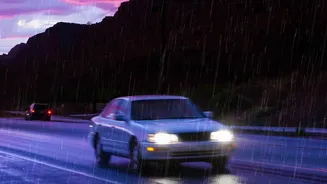
Once on the road, adjust your driving style. Reduce your speed significantly; experts suggest cutting it by at least 25-30% of what you would normally drive in the dry. Wet roads can double your braking distance, so maintain a much larger gap between you and the vehicle ahead. Always use your low-beam headlights at night in the rain. High beams reflect off the raindrops, which can actually worsen your visibility and blind oncoming drivers. And crucially, never use cruise control on wet roads, as it can increase your risk of losing control if you start to hydroplane.
Route Tracking Hacks for Waterlogged Roads
Night-time driving makes it nearly impossible to judge the depth of standing water. This is where technology becomes a critical safety tool. Navigation apps like Google Maps now feature real-time, user-reported alerts for flooded roads and other hazards in India. Before you leave, and even during your journey, check your route for any alerts about waterlogging. If you encounter a flooded section that isn't marked, use the report function in the app to warn other drivers. This crowd-sourced information is invaluable for avoiding dangerous situations where your car could stall or be swept away.